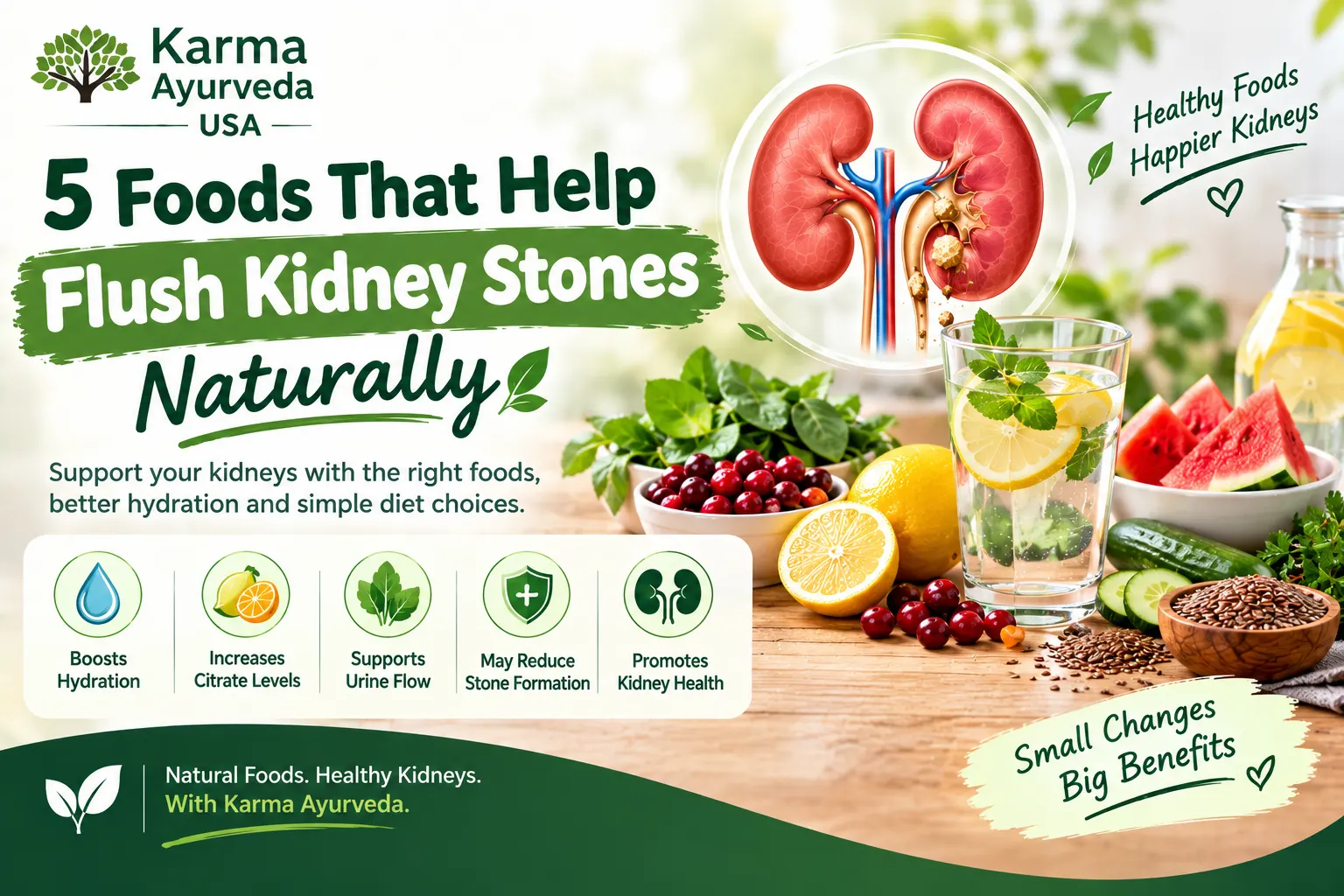

Yes, certain foods and drinks can genuinely help a small kidney stone pass on its own, but let's be clear: no food is going to magically dissolve a stone or "flush" it away overnight. Water-rich foods, citrus fruits, and a balanced diet can help increase urine flow and create conditions that make it harder for stones to form in the first place.
Here's the honest version of what that means: think "support the urinary system," not "eat five foods and watch the stone vanish." I wish it were that simple too.
Key Takeaways
- Water does more heavy lifting than any single food when it comes to kidney stones.
- Citrus fruits bring citrate to the table, which can help stop certain crystals from forming.
- Water-rich fruits and vegetables add to your overall fluid intake.
- Normal dietary calcium is actually helpful for people prone to calcium oxalate stones; yes, really.
- Cutting back on salt and animal protein matters just as much as adding the "good" foods.
- What works best really comes down to the type of stone you have.
First; What Does "Flush Kidney Stones Naturally" Even Mean?
A stone forms when certain minerals get too concentrated in urine and start to crystallise. Calcium oxalate and calcium phosphate stones show up most often, while uric acid, struvite, and cystine stones are less common.
If a stone is small enough to pass on its own, drinking enough fluid keeps urine diluted and helps move things along. But food isn't some tiny plumber working inside your digestive system, fishing stones out one by one.
The National Institute of Diabetes and Digestive and Kidney Diseases (NIDDK) points to adequate fluid intake as one of the most important lifestyle changes for preventing stones.
So if you're searching for the best foods for kidney stone removal, the better question to ask is: which foods actually support hydration and make urine a less hospitable place for stones to form?
Let's get into it.
1. Lemon and Other Citrus Fruits
When it comes to foods that support stone prevention, citrus earns its spot.
Lemons, limes, and oranges are full of citrate. Citrate binds with calcium in urine and can make certain crystals less likely to stick together.
NIDDK notes that citrus drinks may help prevent stones because citrate interferes with crystal formation.
That doesn't mean living on lemonade. Simpler options work just as well:
- Fresh lemon squeezed into water
- Lemon or lime worked into meals
- Whole oranges
- Unsweetened citrus water
There's actual research behind this too. A study called "Lemonade Therapy Increases Urinary Citrate and Urine Volumes in Patients with Recurrent Calcium Oxalate Stone Formation" found that lemonade boosted both urinary citrate and urine volume in people who kept forming calcium oxalate stones.
A later crossover study, "The Effect of Lemonade and Diet Lemonade Upon Urinary Parameters Affecting Calcium Urinary Stone Formation," found similar changes in urine volume, and with diet lemonade specifically, in urinary citrate too.
One small warning, though: sweetened lemonade is still a sugary drink at the end of the day. Your stone doesn't need a dessert party.
2. Watermelon
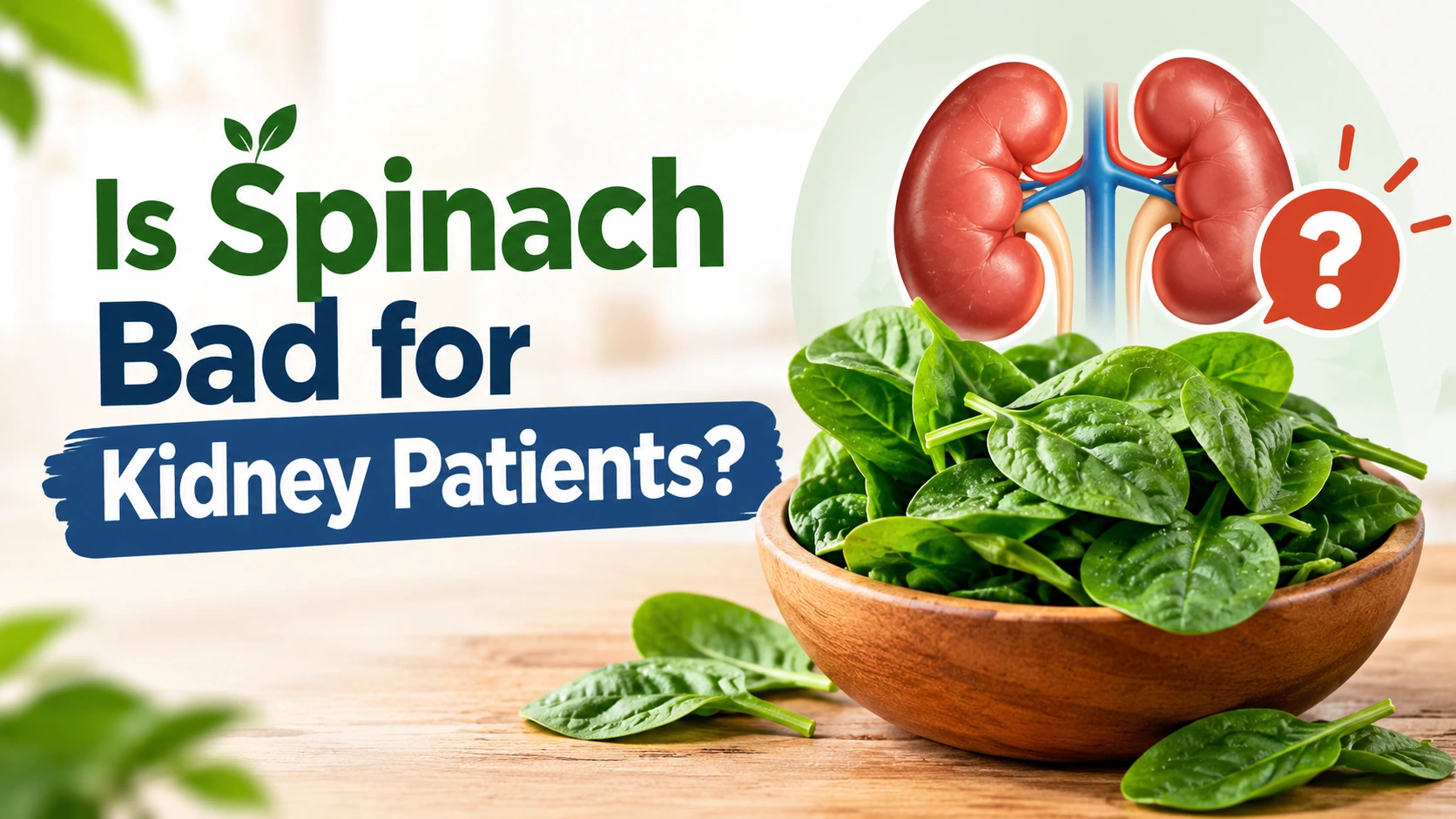
Watermelon is basically water with a bit of sweetness attached, which makes it a delightfully uncomplicated way to boost your fluid intake.
And no, watermelon isn't going to go hunting for your stone and personally walk it out the door.
Its real strength is just hydration.
Drinking enough fluid increases urine volume and dilutes the minerals that would otherwise concentrate and crystallise. NIDDK recommends drinking enough liquid, mostly water, to help prevent stones, though the right amount depends on the person, especially if there's another condition limiting how much fluid they should have.
Ways to work it in:
- As a snack on its own
- Tossed into a fruit bowl
- Alongside breakfast
- Part of a summer meal
Just don't swap out all your water for fruit. Plain water still deserves top billing here.
3. Oranges
Oranges make the cut for two solid reasons: fluid and citrate.
They're naturally juicy, loaded with vitamin C and potassium, and their citrate content is genuinely relevant for people prone to certain stone types.
Citrus is interesting because citrate acts as an inhibitor against some forms of crystal formation. The American Urological Association's guidelines also list increased fluid intake and more fruits and vegetables as part of a solid strategy for preventing repeat stones.
If you're putting together a list of 5 foods for kidney stone removal, oranges are an easy, obvious pick.
Just remember: supporting a stone's passage and dissolving one that's already there are two very different things.
4. Cucumber
Cucumber is another simple, water-heavy food that quietly adds to your daily fluid intake.
Easy to throw into:
- Salads
- Raita
- Sandwiches
- Homemade snacks
- Any meal during hot weather
There's no secret cucumber science at play here. It's mostly that water-rich foods add hydration and bulk to your meals without dragging along a ton of sodium.
And sodium actually matters quite a bit.
Too much sodium increases how much calcium gets excreted in urine, which raises the risk of calcium-based stones. NIDDK specifically recommends cutting back on sodium for people dealing with calcium oxalate and calcium phosphate stones.
So yes, cucumber helps. But if you're drowning it in salty seasoning while eating it, the cucumber's basically working against itself.
5. Calcium-Rich Foods; Yes, Really
This is the one that throws people off.
If you've had a calcium oxalate stone before, your instinct might be: "Calcium? Isn't that the problem?"
Not quite.
NIDDK explains that getting the right amount of calcium from food can actually help, because calcium binds with oxalate in your gut before it ever reaches the kidneys; meaning less oxalate ends up in your urine.
Good sources, in sensible portions, include:
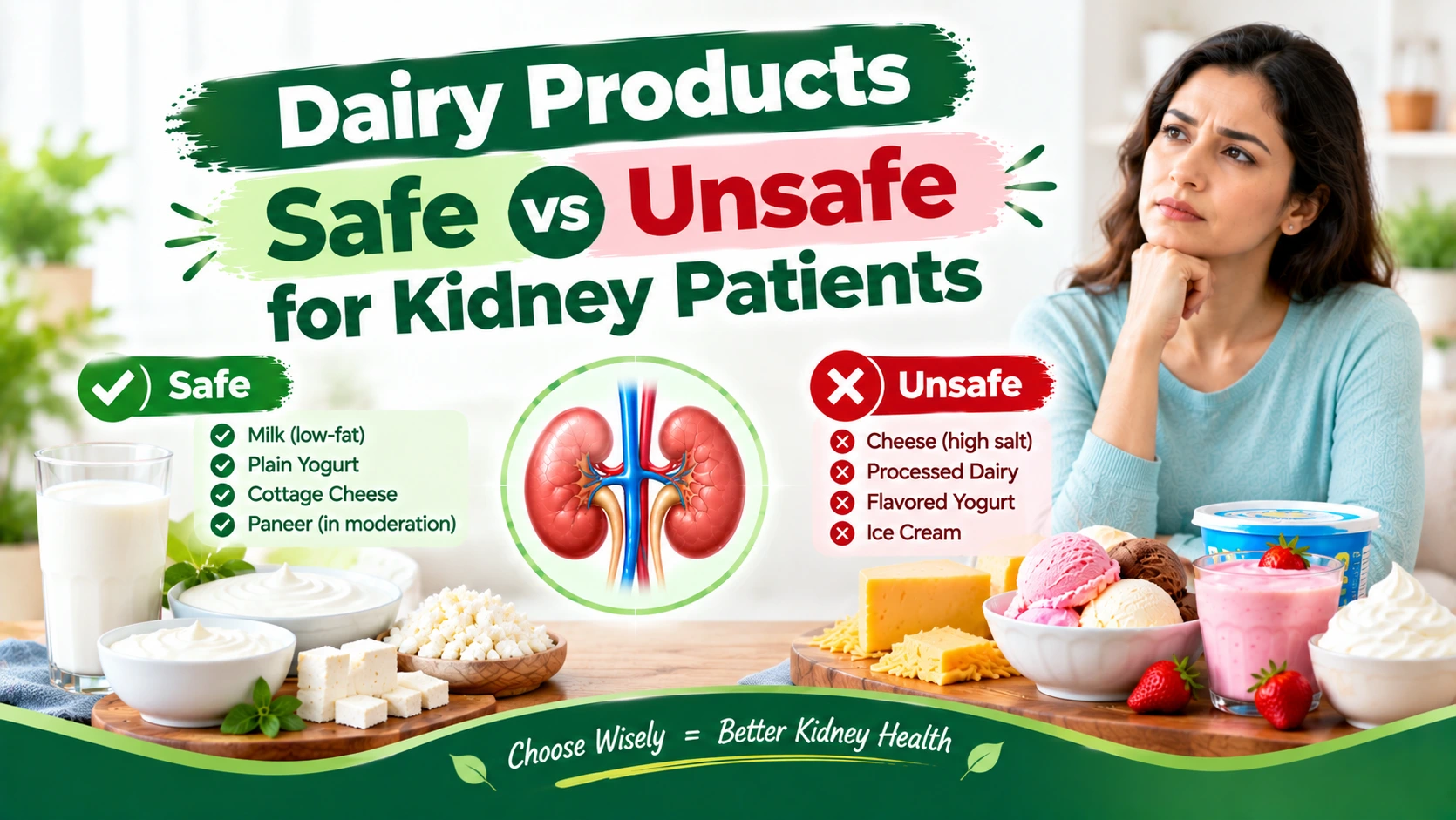
- Plain yoghurt
- Milk
- Other suitable dairy
- Calcium-fortified foods
Notice the word appropriate doing a lot of work there.
Popping large calcium supplements on your own, without medical guidance, isn't the same thing as getting calcium from your regular diet.
This is exactly why a plan tailored to you beats blindly following some generic "good foods vs bad foods" list off the internet.
A Quick Comparison
|
Food |
Why it can help |
The sensible approach |
|
Lemon |
Citrate + fluid |
Add to water |
|
Watermelon |
Lots of water |
Enjoy as a snack |
|
Orange |
Citrus + citrate |
Eat whole |
|
Cucumber |
Water-rich |
Add to meals |
|
Calcium-rich foods |
Helps bind dietary oxalate |
Keep portions appropriate |
What About Salt and Animal Protein?
Sometimes the smartest dietary shift isn't adding something new; it's cutting back on what you're already overdoing.
A sodium-heavy diet raises urinary calcium. Eating a lot of animal protein can also push up stone risk, particularly for uric acid stones.
So alongside those five foods, it's worth trimming down on:
- Very salty packaged snacks
- Instant noodles
- Processed meats
- Overly salty pickles and sauces
- Frequent, large portions of red or organ meat
- Heavily processed fast food
A 2009 study, "DASH-Style Diet Associates with Reduced Risk for Kidney Stones," found that people following a DASH-style eating pattern had a lower risk of forming stones.
That's really the takeaway here; preventing stones usually comes down to your overall eating pattern, not one miracle food doing all the work.
What About Ayurveda?
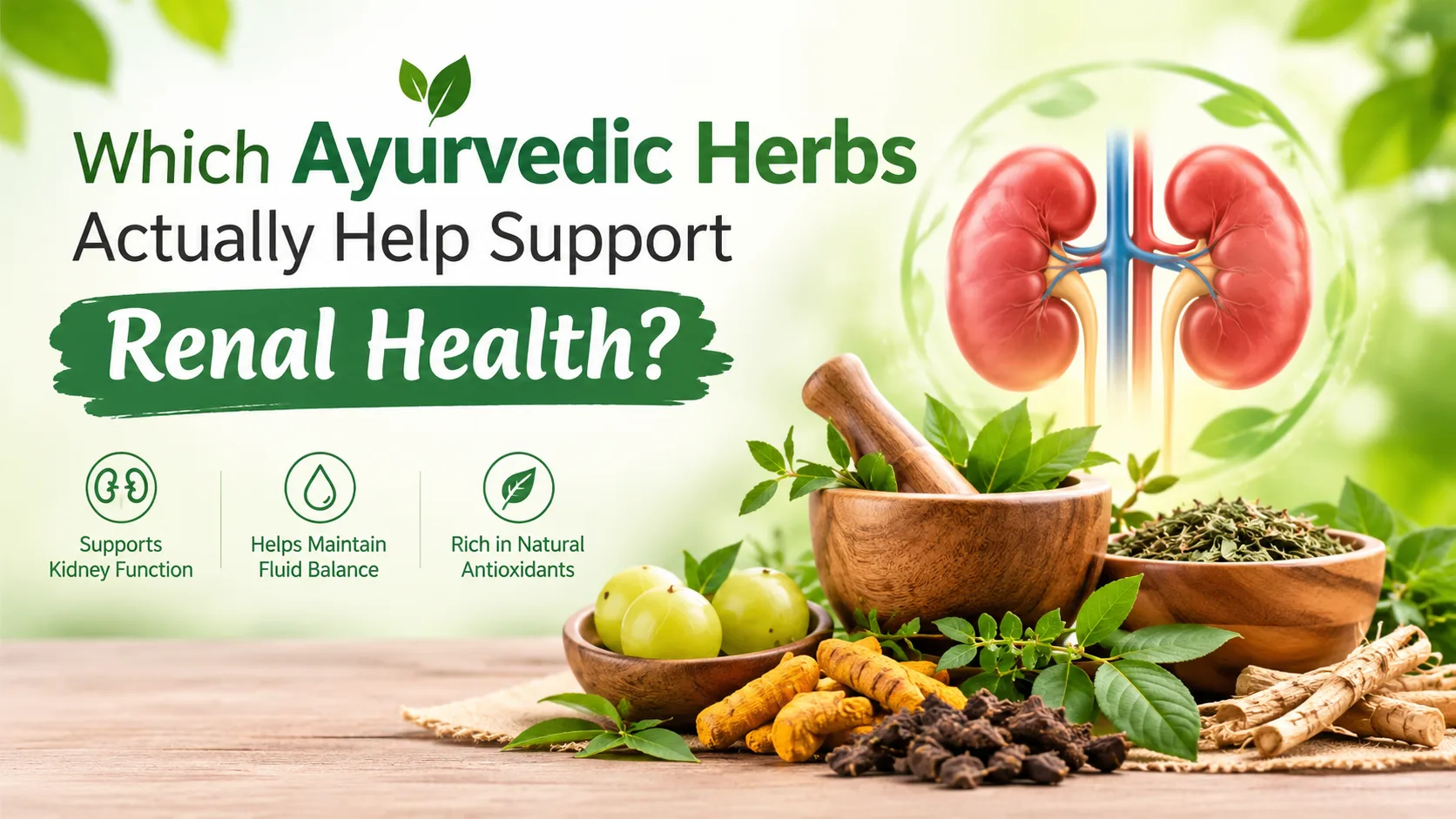
Ayurveda traditionally takes a wider view, looking at digestion, hydration, diet, lifestyle, and a person's individual constitution, rather than handing everyone the same food chart.
If you're searching for Kidney disease Ayurvedic treatment, keep in mind that proper stone care really depends on things like stone size, location, composition, urinary findings, and your overall health picture.
Certain herbs are traditionally used in Ayurvedic practice to support urinary health, and people often search for the best herbs for kidney stones in Ayurveda. That said, herbal products shouldn't be treated as a stand-in for proper diagnosis or evidence-based stone management.
Anyone considering Karma Ayurveda for kidney disease treatment should still get their stone properly evaluated and talk through any herbal preparations with a qualified practitioner, especially if other medications are involved.
A Simple Day of Stone-Friendly Eating
You don't need to turn your kitchen into a science lab over this.
A pretty ordinary day might look like:
Morning:
Water, plus breakfast with a reasonable amount of a calcium-containing food.
Mid-morning:
An orange, or whatever fruit works for you.
Lunch:
A homemade meal; vegetables, some cucumber, and salt kept in check.
Evening:
Watermelon or another water-rich fruit, depending on what suits your diet.
Throughout the day:
Sipping water steadily, rather than gulping some down only once you're already parched.
If you've been told to limit fluids because of kidney failure, heart issues, or another medical condition, don't just start upping your water intake on your own; talk to your doctor first.
Can These Foods Actually Get Rid of a Stone That's Already There?
This part is worth really sitting with.
Food and fluids can support the passage of small stones that were likely to pass on their own anyway, but you can't count on them to clear out every stone.
Size and location make a huge difference. Some stones pass without any procedure at all, while others need medication, shock-wave treatment, ureteroscopy, or some other intervention.
And if you're dealing with severe pain, fever, chills, vomiting, trouble passing urine, or blood in your urine, don't sit around hoping watermelon fixes it. Go get checked out.
When Should You Actually See a Doctor?
Get medical help promptly if you notice:
- Severe or ongoing pain in your side or back
- Fever or chills
- Vomiting, or you just can't keep fluids down
- Trouble urinating
- Blood in your urine
- Stones that keep coming back
- Signs of a blockage
A blocked urinary tract combined with an infection can turn serious fast, and it needs prompt medical attention.
Conclusion
The best foods for kidney stone removal aren't really about hunting down one magic ingredient. A smarter approach is keeping urine properly diluted, working in citrus and water-rich foods, keeping dietary calcium at sensible levels, and dialing back excess salt and animal protein.
For anyone who keeps forming stones, the real next step is figuring out why they keep showing up. Stone analysis, blood work, and sometimes a 24-hour urine test can make dietary advice a lot more specific and useful.
Because guessing your way through stone prevention rarely counts as a real nutrition plan.
📩 Ask a Kidney Expert (Free 10-Min Consultation)
FAQs
Can lemon water help with kidney stones?
Yes; lemon water brings both citrate and fluid, which can lower the risk of certain stones and support overall hydration.
What are the best foods to eat when you have kidney stones?
Citrus fruits, water-rich produce, and calcium-rich foods in the right amounts can all help, depending on your stone type and overall diet.
Can food dissolve kidney stones?
Not really; food can't be relied on to dissolve a stone that's already there, though the right diet can support passage and help prevent future ones.
Should I stop eating calcium if I have calcium stones?
No; normal dietary calcium actually helps reduce oxalate absorption and can be genuinely beneficial for preventing calcium oxalate stones.
How much water should I drink with kidney stones?
It varies from person to person, but adequate fluid intake is central to prevention, and should be adjusted individually if you have any fluid restrictions.
Key Takeaways
- Water comes first; staying hydrated dilutes urine and is one of the most important things you can do.
- Citrus genuinely helps; lemons, limes, and oranges all bring citrate to the table.
- Water-rich foods add up; watermelon and cucumber quietly boost your fluid intake.
- Don't fear dietary calcium; the right amount can actually help prevent calcium oxalate stones.
- Ease up on salt; high sodium intake raises urinary calcium.
- Know your stone type; what works for one type might not work for another.
- Don't wait around with severe symptoms; fever, intense pain, vomiting, or a blockage all need professional care, fast.
Disclaimer
This article is meant for general educational purposes and isn't a replacement for medical advice, diagnosis, or treatment. Dietary needs vary depending on stone type, size, kidney function, and other health factors. Anyone with severe symptoms or a known blockage should seek proper medical care from an expert like Dr. Puneet Dhawan.