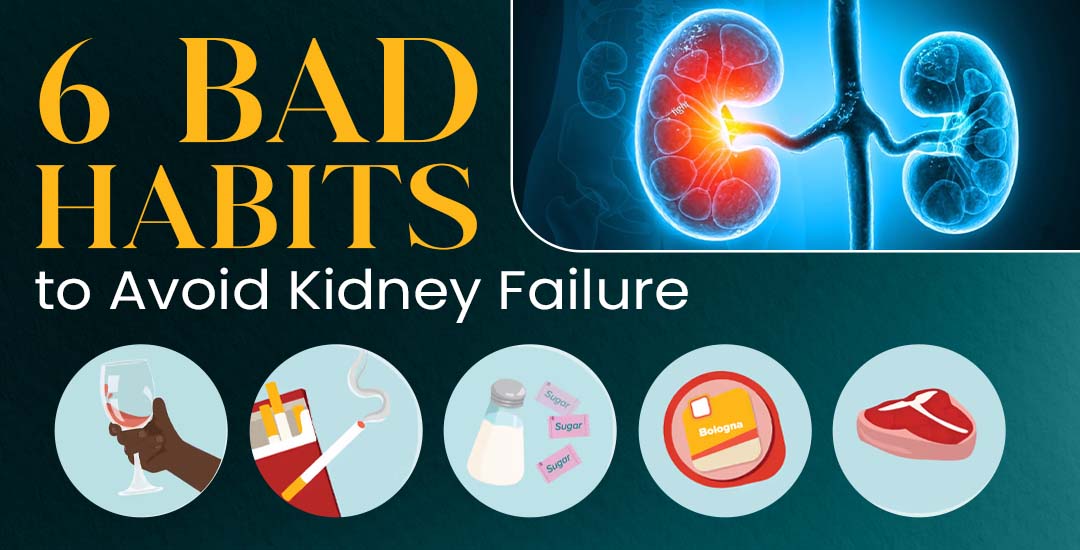

Most of us don’t think about our kidneys until a doctor mentions creatinine levels in a serious voice. These two bean-shaped organs quietly work 24/7, filtering waste, balancing fluids, controlling blood pressure, and even helping make red blood cells. And what do we do in return? We ignore them.
Kidney failure doesn’t usually happen overnight. It builds up slowly because of the everyday habits we repeat without thinking. The good news? Many of these habits are totally in our control. So today, let’s talk heart-to-heart about 6 bad habits to avoid kidney failure.
No medical jargon overload. Just a simple, practical talk. Ready? Let’s go.
6 Bad Habits to Avoid Kidney Failure
The best habits to avoid kidney failure are:
1. Not Drinking Enough Water
Your kidneys love water. When you don’t drink enough water, those waste products start hanging around like unwanted guests.
Dehydration makes your kidneys work harder. Over time, this can increase the risk of kidney stones and infections. If this continues for years, it may even contribute to kidney damage.
Now, I’m not saying you need to carry a 5-liter bottle everywhere and become a “hydration influencer.” Just drink water regularly throughout the day. A simple rule? If your urine is very dark yellow, your body is probably asking for more water.
And no, tea, coffee, and cola don’t fully count as water. Nice try.
2. Ignoring High Blood Pressure
High blood pressure is one of the biggest enemies of kidney health. The scary part? It often has no symptoms.
When your blood pressure stays high, it damages the tiny blood vessels inside your kidneys. Over time, those delicate filters stop working properly. Think of it like using high-pressure water on a soft cloth filter every day. Eventually, it tears.
If you have hypertension, don’t ignore it. Take your medicines regularly. Reduce salt. Walk daily. Check your blood pressure often. It’s much easier to control blood pressure now than to deal with kidney failure later.
Your future self will thank you.
3. Uncontrolled Diabetes
If high blood pressure is enemy number one, diabetes is a very close second.
High blood sugar damages the small blood vessels in the kidneys. This condition is called diabetic nephropathy. It’s one of the leading causes of kidney failure worldwide.
The tricky thing about diabetes is that you may feel “fine” even when your sugar levels are high. But inside your body, silent damage can be happening.
Keep your blood sugar in range. Follow your diet plan. Exercise regularly. Take your prescribed medication. Small daily discipline saves you from big future problems.
And yes, that extra-sweet dessert every single day does matter. Kidney failure Ayurvedic treatment advises the patients to avoid indulging in sweets.
4. Taking Painkillers Too Often
We all have headaches, back pain, or knee pain at some point. Popping a painkiller seems harmless. But taking painkillers frequently without medical advice can seriously harm your kidneys.
Certain over-the-counter painkillers, especially when taken regularly, reduce blood flow to the kidneys. Over time, this can cause chronic kidney damage.
I’m not saying take a painkiller. Just don’t treat them like candy. If you have chronic pain and need regular medication, consult a doctor and discuss safer options.
Your kidneys are not fans of “self-medication experiments.”
5. Eating Too Much Salt and Junk Food
If your diet is full of packaged snacks, processed foods, instant noodles, and fried goodies, your kidneys are probably stressed, and any effective Ayurvedic treatment for kidney failure will go down the drain if you do not follow a proper diet.
Excess salt increases blood pressure, and as we discussed, high blood pressure damages the kidneys. Processed foods are also loaded with preservatives and additives that your kidneys have to filter out.
A high-protein junk-heavy diet can also put extra pressure on the kidneys, especially if you already have kidney issues.
Try to eat fresh home-cooked food more often. Add fruits and vegetables. Reduce salt intake. You don’t need to quit tasty food forever — just find balance.
Remember, your kidneys prefer dal and sabzi over chips and cola.
6. Ignoring Early Warning Signs
Many individuals overlook initial symptoms such as swollen feet, excess foam in their urine, increased nighttime urination, lack of energy, and not feeling hungry. The attitude is typically, “It is just those things; I am fine”. The majority of renal diseases are progressive without any symptoms. The delay in symptoms can require a higher degree of damage once the individual becomes symptomatic.
Anyone with one of the following risk factors (e.g., diabetes, hypertension, family history of renal disease) needs to have their renal function assessed regularly. There are simple blood and urine tests that will identify renal problems early on. The sooner a problem is diagnosed, the more likely it is to be easy to treat and be successful.
A Small Reality Check
Kidney failure doesn’t just affect your health. It affects your lifestyle, finances, and emotional well-being. Treatments like dialysis require regular hospital visits and major adjustments in daily life.
The goal is not to scare you. The goal is awareness.
Your kidneys work silently every day. They don’t complain. They don’t demand attention. But they do need care.
And the good news? Most kidney damage caused by lifestyle habits is preventable, according to Dr. Puneet Dhawan, founder of Karma Ayurveda kidney disease treatment in USA.
Simple Daily Habits That Protect Your Kidneys
Drink enough water.
Control blood pressure and blood sugar.
Eat balanced meals.
Limit processed foods and salt.
Avoid unnecessary medicines.
Go for regular health check-ups.
See? Nothing complicated. No extreme diets. No dramatic lifestyle overhaul. Just consistent, sensible habits.
Final Thoughts
If you’ve recognized one or two of these bad habits in yourself, don’t panic. We all have habits we need to improve. The important thing is to start now.
Your kidneys don’t need perfection. They just need support.
Make small changes today. Drink that extra glass of water. Skip that extra packet of chips. Take your medication on time. Book that health check-up you’ve been postponing.
Disclaimer: Please consult a reputed hospital like Karma Ayurveda USA in case you have severe renal failure symptoms. Avoid self-medication.
FAQ
1. What food to eat to prevent kidney failure?
Eat fresh fruits (like apples and papaya), leafy vegetables, whole grains, and moderate protein like moong dal. Drink enough water and reduce salt to protect your kidneys.
2. How to avoid kidney problems naturally?
Control blood sugar and blood pressure, drink enough water, avoid too much salt and junk food, exercise regularly, and don’t ignore frequent painkiller use.
3. What foods help repair kidneys?
Foods like red bell peppers, cabbage, garlic, apples, and berries are kidney-friendly. They support kidney health, but remember, food supports; it doesn’t “repair” damaged kidneys completely.
4. What are 5 foods to avoid for kidney disease?
Avoid excess salt, processed foods, red meat, sugary drinks, and packaged snacks. These can increase pressure on already weak kidneys.