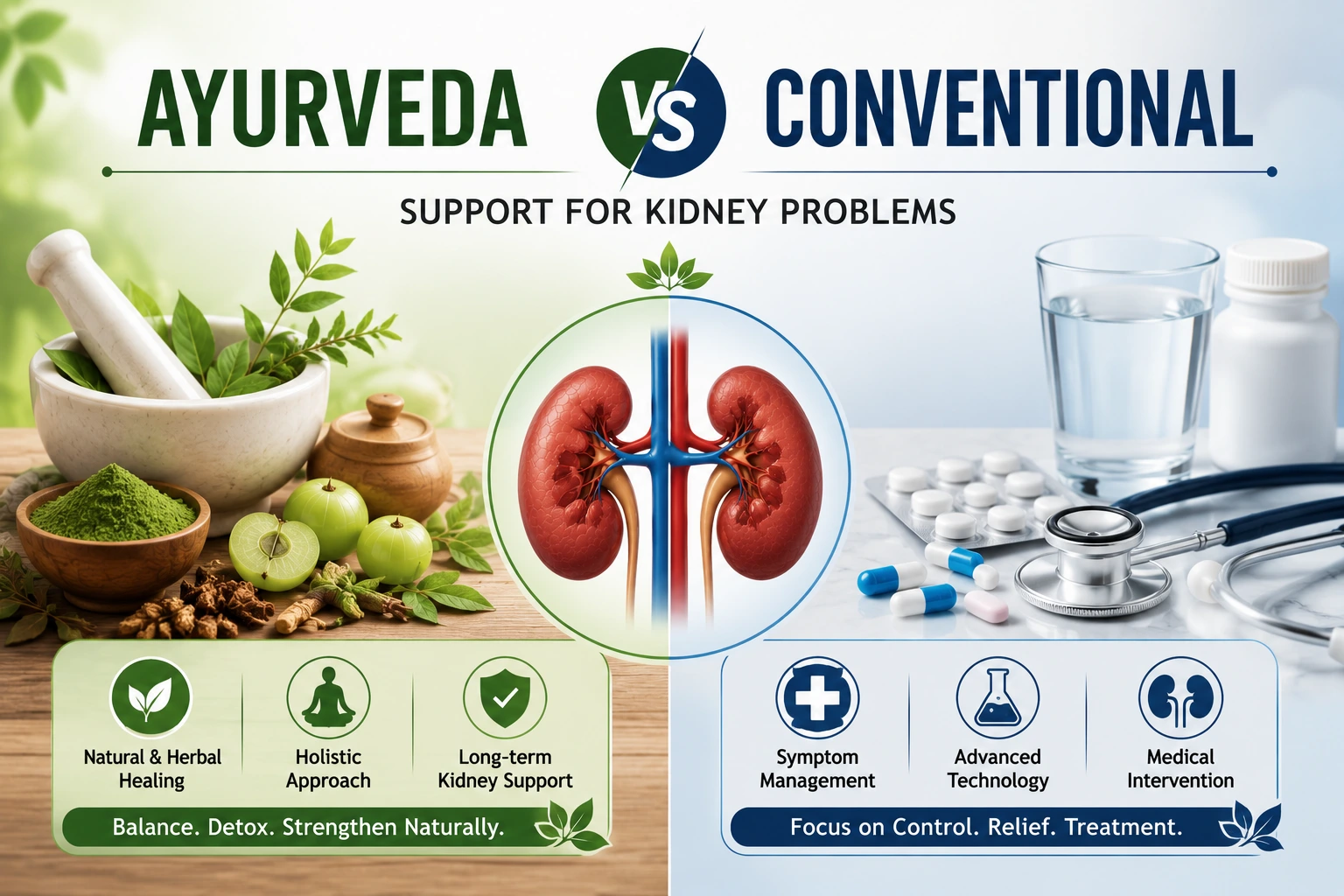

Let's face it: finding out your kidneys are struggling is a massive wake-up call. These two bean-shaped organs are essentially your body's private, 24/7 water treatment plant, filtering out the junk so you can keep living your best life. When things go sideways, you are suddenly flooded with a dizzying array of kidney care options. Should you trust the high-tech bleeping machines of Western medicine, or turn to centuries-old herbs and dietary shifts? Let’s break down this kidney treatment comparison with a healthy dose of common sense, a bit of science, and zero robotic jargon.
The Western Heavyweight: Conventional Support
Conventional medicine is your medical SWAT team. If your kidneys are in a sudden, acute crisis, you don't want a gentle cup of herbal tea; you want a nephrologist (a kidney doctor) with a clipboard and immediate access to advanced technology.
Western support excels at managing emergencies, precise data tracking, and keeping things stable when the chips are down. Think of blood pressure medications like ACE inhibitors, or dialyzers that literally wash your blood for you. It’s clinical, it’s heavily regulated, and it saves lives daily.
However, conventional care can sometimes feel a bit like fixing a leaky roof by just putting a bucket underneath it. It focuses heavily on managing symptoms and slowing down damage rather than asking why your lifestyle caused the roof to leak in the first place.
The Ancient Eastern Ally: Ayurvedic Support
Enter Ayurvedic kidney care. Originating in India thousands of years ago, Ayurveda looks at you not as a collection of failing parts, but as a whole ecosystem. It suggests that kidney issues stem from an imbalance in your Doshas (specifically Vata and Pitta—your body's internal air and fire energies).
Instead of just looking at your lab numbers, an Ayurvedic practitioner looks at your stress, your sleep, and what you ate for breakfast. It relies heavily on herbs like Punarnava (which literally translates to "that which renews the body") and Varuna.
The beauty of this natural vs medical support debate is that science is finally starting to validate what ancient sages knew. For instance, a notable study published in the Journal of Ethnopharmacology (2016) highlighted that Punarnava exhibits significant diuretic and anti-inflammatory properties that help protect renal tissue from oxidative stress. Another clinical trial documented in the Ayu Journal (2019) observed that specific Ayurvedic formulations helped reduce blood urea and serum creatinine levels in patients with CKD.
The Tale of the Tape: Side-by-Side Comparison
When weighing Ayurveda vs conventional support, how do they actually stack up in everyday life? Let’s look at the ultimate, slightly irreverent breakdown:
|
Feature |
Conventional Support |
Ayurvedic Kidney Support |
|
The Vibe |
Sterile scrubs, strict lab numbers, and lots of waiting room magazines. |
Warm oils, herbal teas, and a deep interrogation about your digestion. |
|
Best Used For |
Emergency interventions, acute failures, and precise biochemical tracking. |
Long-term kidney wellness, root-cause prevention, and lifestyle resets. |
|
The Tools |
Dialysis, synthetic pharmaceuticals, and targeted blood pressure control. |
Plant-based herbs (Punarnava, Gokshura), strict diets, and stress reduction. |
|
Speed |
Fast. It tackles immediate threats like a biological firefighter. |
Slow and steady. It’s a marathon, not a sprint, to rewire your habits. |
Why Integration is the Smart Human Move
Here is the secret your doctors might not be telling you: you don’t have to pick a single side in the Ayurveda vs conventional support debate. The smartest approach to modern health is integrative.
Imagine using conventional medicine to keep your blood pressure perfectly stable and monitor your filtration rates, while simultaneously using Ayurvedic principles to clean up your diet, lower your stress through yoga, and use heavy-metal-free, verified herbal supplements to soothe inflammation. You get the safety net of modern science combined with the deep, holistic wisdom of ancient traditions.
Always ensure your nephrologist and your Ayurvedic doctor are on speaking terms (or at least know what the other is prescribing). Some herbs can interact with Western medications, and the last thing you want to do is accidentally make your hard-working kidneys work double-time.
Frequently Asked Questions
Can Ayurveda completely cure chronic kidney disease?
While it can significantly improve quality of life and slow down progression, Ayurveda should be used to manage and support kidney health rather than promised as a magical, absolute cure.
Do Western nephrologists approve of Ayurvedic treatments?
Progressive nephrologists increasingly support evidence-based, integrative therapies, provided the herbal supplements are verified pure and free of heavy metals.
Disclaimer
This blog is for informational and entertainment purposes only and does not substitute for professional medical advice, diagnosis, or treatment. Kidneys are incredibly sensitive organs. Always consult with a qualified physician or nephrologist before introducing any new herbal supplements, dietary changes, or alternative therapies to your routine.