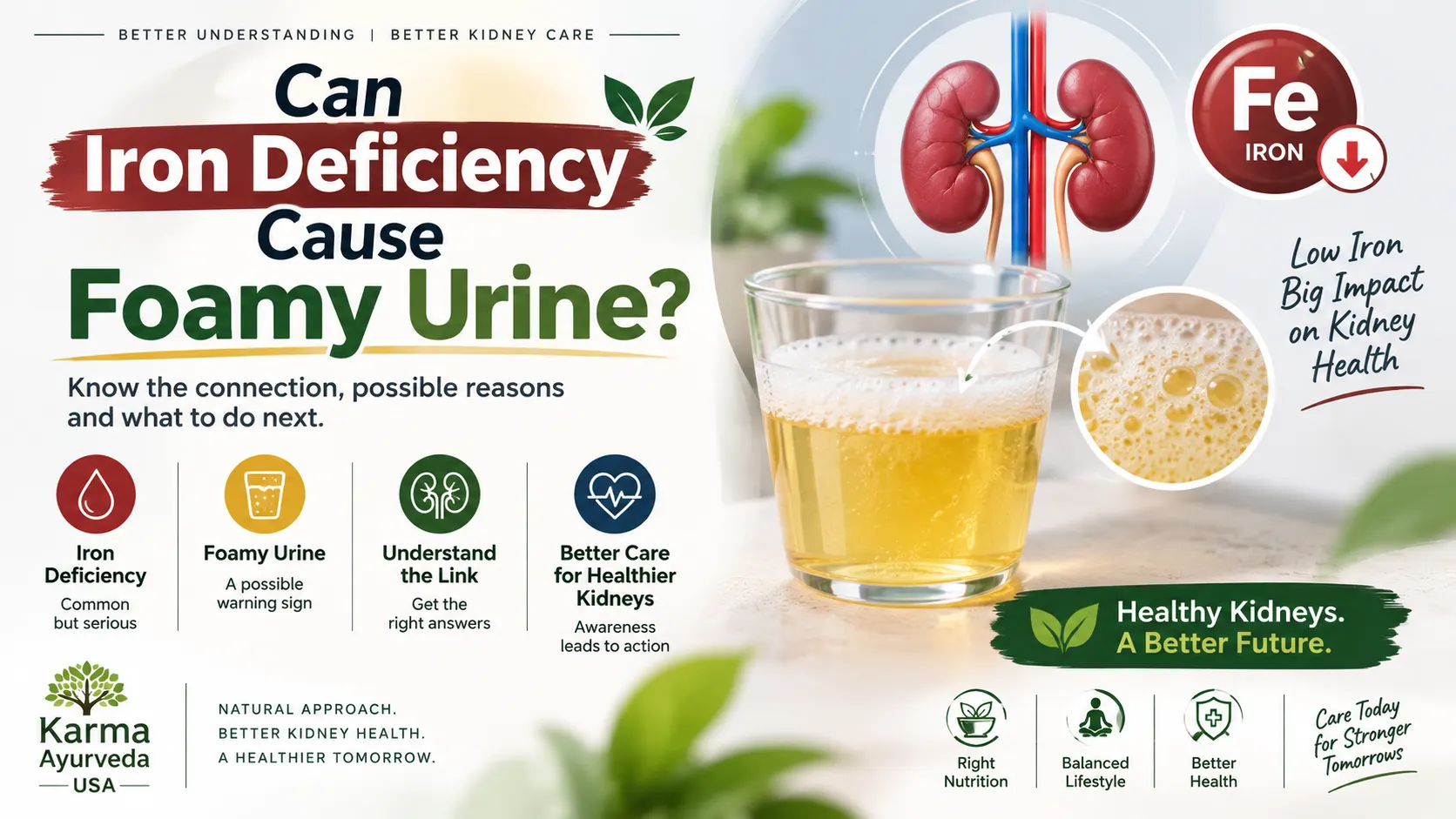

No, not really, not on its own anyway. Iron deficiency doesn't have some secret switch that turns your urine into a bubble bath. But if you've been noticing foam in urine and you already know your iron is low, you're not imagining a connection; there usually is one, it's just a bit more roundabout than "low iron equals foamy pee."
I got curious about this after a friend messaged me at 11pm asking, half-panicked, whether her iron tablets were somehow "making her pee weird." So I went down the research hole so you don't have to. Here's what's actually going on, minus the panic and minus the med-school jargon.
What's Actually Making Your Urine Foamy?
Most of the time, foam in urine comes down to one thing: protein that's leaked into it, a condition called proteinuria. Your urine, on a good day, is supposed to carry almost no protein at all; under 150 mg in 24 hours, which honestly is next to nothing. Once that number climbs, you get bubbles. Lots of them. Stubborn ones that just sit there like they've paid rent.
But; and I wish more articles said this upfront; foam doesn't automatically mean protein trouble. Doctors have actually found that only about one in three people with foamy urine turn out to have proteinuria behind it. The other two? Usually something far less dramatic:
-
You're just dehydrated, so the urine is more concentrated
-
You went to the bathroom in a hurry and the stream itself created foam
-
There's bilirubin in there, which can happen for various reasons
-
A medication you're on is doing something to the mix
-
In men, retrograde ejaculation can occasionally cause it too
So if this morning's bathroom trip looked a bit sudsy and you're now three tabs deep into WebMD, take a breath first. It's usually nothing.
So Where Does Iron Deficiency Come Into This?
Here's the part that actually matters for this article. Iron deficiency isn't sitting there directly causing the foam. There's no straight line from "low ferritin" to "bubbly toilet." What happens instead is that both problems tend to have the same root cause.
When your body starts leaking excess protein through urine, it isn't just losing plain protein; it's often losing transferrin too, which is the protein responsible for shuttling iron around your body. Lose enough transferrin over a long enough time, and your iron stores start dropping. So you end up with two symptoms; the foam and the iron deficiency; that look unrelated but are actually cousins from the same family tree.
I found this backed up in a study on children with nephrotic syndrome, a condition marked by heavy protein loss through urine. Researchers noticed that close to a third of these kids also had some degree of iron deficiency, and the reasoning was straightforward; when the body is dumping protein, it's dumping the iron-carrying protein right along with it. Similar findings keep showing up in research on adults dealing with long-term filtering-organ conditions, where protein loss and iron loss consistently travel together.
There's also a strange little wrinkle worth mentioning. A clinical trial from 2011, published in a nephrology journal, found that giving iron through an IV in certain patients actually caused a temporary bump in urine protein levels. So the relationship isn't even strictly one-directional; iron and urine protein seem to influence each other in more than one way, depending on the situation.
What I'd take away from all this: iron deficiency by itself won't turn your pee frothy. But if something else in your body is quietly causing protein to leak out, that same something is very likely nibbling away at your iron too.
When Should You Actually Worry?
A bit of foam that pops and disappears in a few seconds is nothing. Genuinely, don't lose sleep over it. What's worth paying attention to is foam that's thick, stays put no matter how many times you flush, and shows up again and again; especially alongside things like:
-
Tiredness that feels different from your usual "didn't sleep well" tiredness
-
Puffiness around your eyes or ankles that wasn't there before
-
Skin or nails looking paler than usual
-
Getting winded doing things that never used to wind you
-
A weird foggy, dizzy feeling for no clear reason
That combination; foam plus fatigue plus paleness; is worth getting checked properly rather than guessing your way through it on the internet.
And Then There's Ayurveda
A lot of people land on this topic specifically hunting for Ayurvedic treatment for foamy urine, so let's not skip that part.
In Ayurveda, foamy urine (sometimes called "phenil mutra") is generally linked to a weakened digestive fire, or agni, along with an imbalance in Vata and Pitta affecting the urinary channels. The whole idea behind natural foamy urine treatment in this system isn't to attack the foam directly; it's to fix digestion and nutrient absorption so the body stops leaking what it shouldn't be leaking in the first place, iron included.
A few herbs that keep coming up as the best herbs for foamy urine in traditional practice:
-
Punarnava, generally used to support fluid balance and healthy urinary function
-
Gokshura, a fairly common go-to for general urinary wellness
-
Varun, traditionally used to support the body's filtering organs
-
Triphala, which does a bit of everything but mainly helps digestion, which in turn helps your body actually absorb the nutrients you're eating
-
Amla, loaded with natural vitamin C, which happens to genuinely help your body absorb iron from food; this one isn't just tradition talking, nutrition research backs it up pretty solidly
Honestly, that last point about Amla is one of the more legitimately useful things in this whole space. Pairing iron-rich food with a vitamin C source is a real, evidence-backed way to help your body absorb more of it. So if you're already dealing with mild iron deficiency, that combination is worth trying regardless of what else is going on.
One honest caveat before you go stocking up on herbs: Foamy urine Ayurvedic treatment works best as a support system, not a replacement for an actual diagnosis. If there's a genuine underlying issue causing the protein loss, herbs will help around the edges, but they won't fix the actual leak. Get the plumbing checked first, then work on the rest.
A Quick Side-by-Side, Because Tables Make Everything Clearer
|
What's causing the foam |
Should you panic? |
Does it have anything to do with iron? |
|
You just didn't drink enough water |
Not really, drink up |
No |
|
Peed in a rush, stream was strong |
Nope, that's just physics |
No |
|
Actual protein leaking into urine |
Yes, worth checking |
Usually, yes |
|
Bilirubin showing up in urine |
Worth a checkup |
Not directly |
|
Some medication you're on |
Usually sorts itself out |
Rarely |
|
Retrograde ejaculation |
Awkward, not dangerous |
No |
Key Takeaways
-
Iron deficiency on its own doesn't cause foamy urine; protein leaking into urine is usually the actual reason.
-
The two often show up together because whatever causes protein loss can also drain iron-carrying protein at the same time.
-
Only around a third of foamy urine cases actually trace back to protein; the rest is usually harmless stuff like dehydration.
-
Ayurvedic treatment for foamy urine leans on herbs like Punarnava, Gokshura, Varun, Triphala, and Amla, mainly to support digestion and urinary function.
-
If the foam sticks around and comes with tiredness, puffiness, or paleness, don't self-diagnose; go get it looked at.
📩 Ask a Kidney Expert (Free 10-Min Consultation)
FAQs
Can iron deficiency cause foamy urine?
Not by itself, but it often tags along when something's already causing protein to leak into your urine.
Is foamy urine always something to worry about?
Not at all; most of the time, it's just dehydration or a strong stream, and it clears up on its own.
What's a good natural foamy urine treatment to try first?
Drink more water, eat iron- and vitamin C-rich foods together, and herbs like Punarnava or Gokshura can help too, ideally with guidance.
Which herbs come up most for foamy urine in Ayurveda?
Punarnava, Gokshura, Varun, Triphala, and Amla are the usual names you'll hear.
When does foamy urine actually need a doctor's visit?
The moment it's persistent and shows up along with fatigue, swelling, or looking unusually pale; don't wait it out.
Disclaimer: This blog is meant for general reading, not medical advice. It shouldn't replace an actual diagnosis or a conversation with your doctor. If foamy urine or signs of iron deficiency are sticking around for you, please get it checked by a qualified doctor or Ayurvedic practitioner before trying anything on your own.