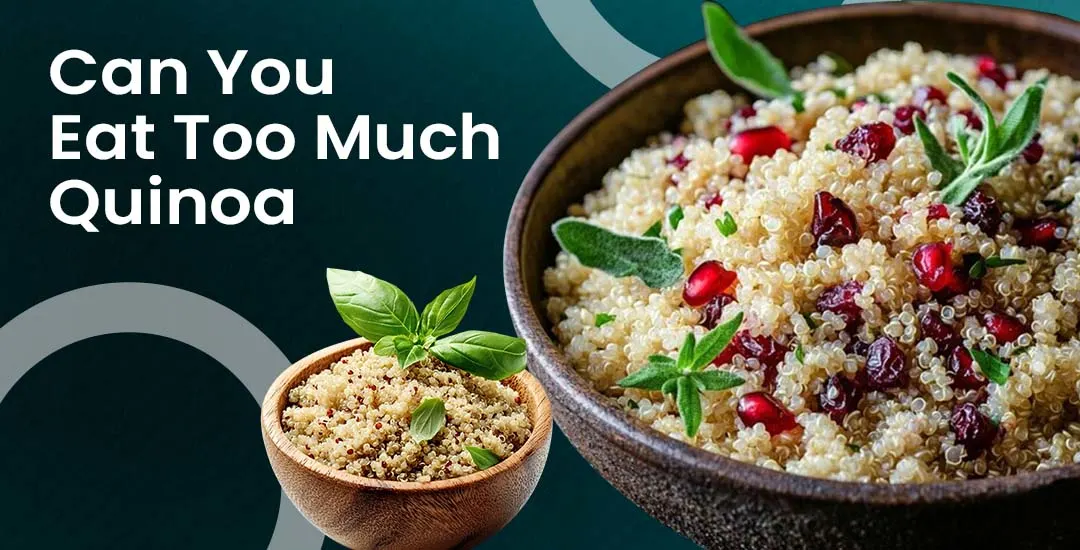

Can You Eat Too Much Quinoa? (Spoiler: Yes, and Your Stomach Might File a Complaint)
Quinoa. The superfood that health gurus, yoga teachers, and that one overly enthusiastic friend at brunch just can’t stop talking about. It’s gluten-free, protein-packed, high in fiber, and so versatile you can toss it in salads, soups, stir-fries, and even desserts. Honestly, if there were a food Olympics, quinoa would be up there snagging gold medals left and right.
But here’s the million-dollar question: Can you eat too much quinoa for weight loss?
Surprisingly, yes, you can. I know, I know. When something is healthy, our brains immediately go: “If one bowl is good, then five bowls must be amazing.” It’s the same logic we apply when we convince ourselves that eating the whole jar of almonds is fine because they’re “heart-healthy.” Spoiler alert: your digestive system might not agree.
So, let’s break down the benefits and side effects of quinoa in a way that’s fun, lighthearted, and maybe a little too real if you’ve ever had a quinoa overdose.
Why People Love Quinoa So Much?
First off, let’s give quinoa the standing ovation it deserves.
- It’s packed with protein. One cup of cooked gives you around 8 grams of protein. That’s like sneaking in a mini protein shake with your meal.
- It’s full of fiber. Fiber is amazing for digestion… until it’s not (we’ll get there in a second).
- It’s naturally gluten-free. So, all the gluten-avoiders can happily pile it on their plates.
- It’s nutrient-dense. Magnesium, iron, folate; you name it, quinoa’s got it.
Basically, quinoa struts around the health food aisle like it’s the Beyoncé of grains.
What happens if You Eat too much Quinoa?
Now here’s where things get interesting. You can eat too much quinoa, and your body will not hesitate to send you some rather dramatic signals if you go overboard. Let’s check out the side effects of eating quinoa every day:
1. Fiber Overload
Quinoa is fiber-rich, with around 5 grams per cup cooked. Fiber is fantastic for keeping your digestion smooth, your cholesterol in check, and your blood sugar stable. But too much fiber? Oh boy. That’s when your stomach turns into a percussion section.
We’re talking gas, bloating, maybe even cramping. Suddenly, you’re walking around like a human balloon and wondering why your pants feel three sizes smaller. If you’ve ever eaten three giant bowls of quinoa salad at once, you know what I mean.
2. Saponins Can Be Irritating
Quinoa has natural compounds called saponins on its outer layer. They’re bitter-tasting and act as a defense mechanism in nature. Most packaged quinoa is pre-rinsed to remove it, but sometimes a little residue sticks around. If you don’t rinse your quinoa before cooking, too much of it could irritate your stomach and cause digestive discomfort.
Think of it like quinoa’s way of saying, “Moderation, my friend. Moderation.”
3. Calorie Surprise
Quinoa is healthier than white rice, sure, but let’s not forget it still has calories. A cooked cup clocks in at around 220 calories. Not bad, but if you’re casually shoveling down three cups because it “doesn’t count,” you just racked up nearly 700 calories on quinoa alone. It’s healthy, but it’s not calorie-free.
4. Protein Overload Isn’t Always a Good Thing
Quinoa is a rare plant-based source of complete protein (meaning it has all nine essential amino acids). That’s great… until you realize that too much protein can be tough on your kidneys, especially if you already have kidney concerns. It won’t happen overnight, but loading up obsessively isn’t necessary either.
The Awkward Side Effects of Too Much Quinoa
Let’s be honest: the worst part of eating too much quinoa is how your body reacts.
- Gas that could rival a brass band.
- Bloating that makes you regret wearing skinny jeans.
- Bathroom trips that… well, let’s just say you’ll get plenty of cardio.
And here’s the kicker: you’ll be sitting there, patting yourself on the back for making such a “healthy” choice, while simultaneously wondering why your stomach feels like it’s plotting revenge.
So, How Much Quinoa Is Just Right?
Now, we have an answer to, “Can You Eat Too Much Quinoa?” Let’s see how much is good enough. For most people, ½ to 1 cup of cooked quinoa per meal is more than enough to reap the benefits without inviting the bloat monster into your evening. Pair it with veggies, lean protein, or healthy fats, and you’ve got yourself a well-balanced meal.
If you’re new to quinoa, start small. Let your digestive system warm up to all that fiber goodness. Your stomach will thank you, your jeans will fit better, and your friends won’t mysteriously scatter after dinner.
Tips to Avoid Quinoa Overload Drama
- Rinse it before cooking. Always. This helps remove those saponins that can upset your stomach.
- Mix it up. Don’t make quinoa your only carb. Alternate with rice, oats, sweet potatoes, or whole wheat pasta.
- Listen to your body. If you’re getting bloated every time you eat it, scale back. (Your digestive tract isn’t lying to you.)
- Add variety. Quinoa is awesome, but so are lentils, barley, and millet. Give the other grains some love, too.
Final Thoughts: Quinoa Is Amazing, But Chill
Quinoa deserves the hype. It’s one of the best additions to a healthy diet and can genuinely improve your nutrition game. But like everything in life, Netflix binges, coffee, dark chocolate, too much of a good thing can backfire.
So yes, you can eat too much quinoa. Your stomach will let you know loud and clear if you’ve crossed that invisible line. Keep portions reasonable, mix it with other foods, and you’ll enjoy all its benefits without the digestive side drama.
Now, go forth and enjoy quinoa… just maybe don’t try to eat enough to feed a small village in one sitting.
FAQ
Does quinoa help with weight loss?
Yes, quinoa is high in protein and fiber, which helps keep you full for longer and supports weight loss.
Can you eat too much quinoa for weight loss?
Yes, overeating adds extra calories, which can slow or reverse weight loss.
What are the Quinoa benefits for females?
It supports hormonal balance, boosts iron levels for menstruation, provides plant-based protein, aids digestion, and promotes healthy skin and hair.