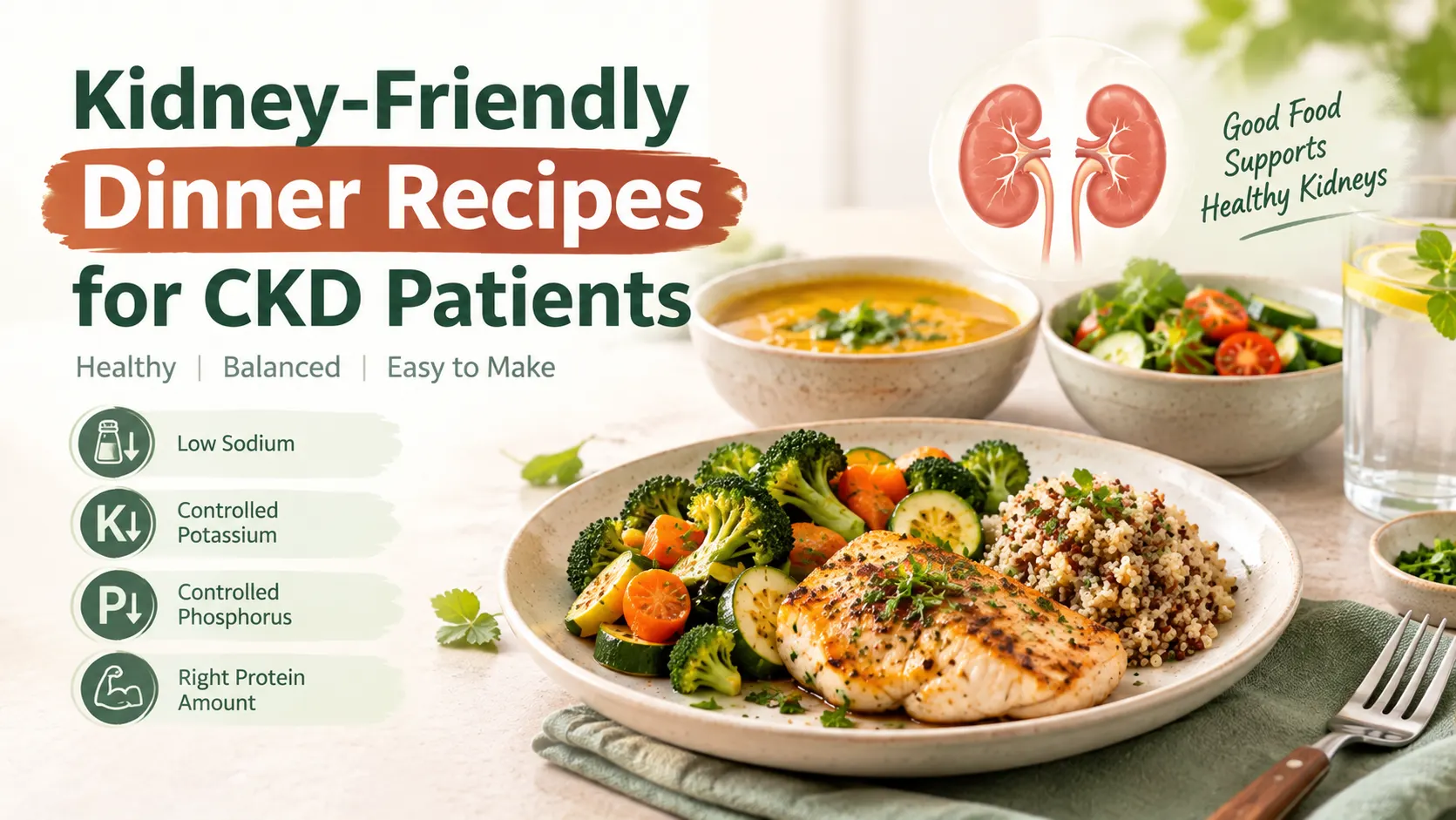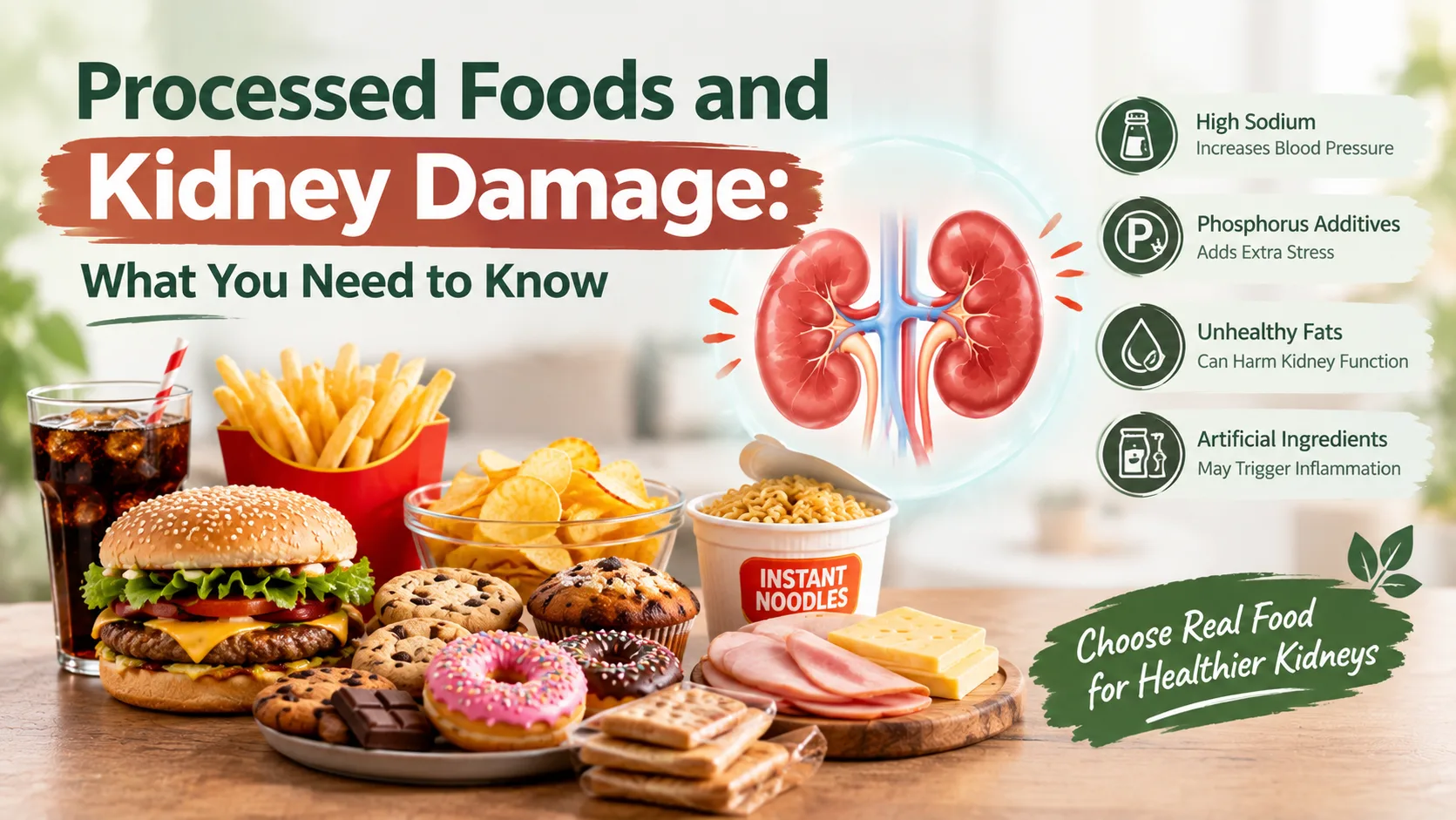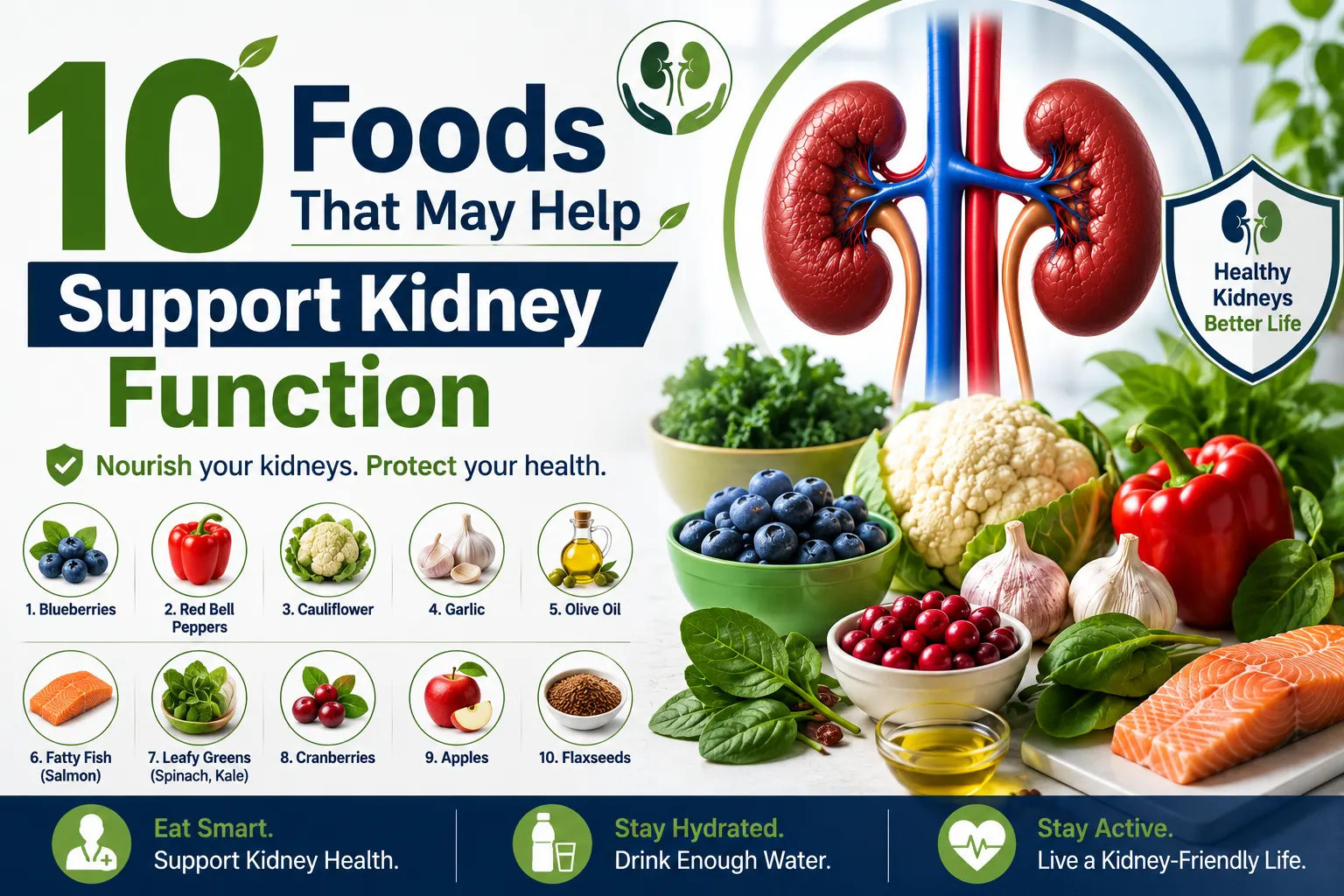

Okay, quick answer up front: berries, garlic, olive oil, cabbage, cauliflower, onions, red bell peppers, fatty fish, egg whites, and just... water are the foods that may help support kidney function. That's it, that's the list. But stick around, because the "why" is actually kind of interesting, and I promise not to turn this into a lecture.
Here's the thing about kidneys: nobody thinks about them until something goes wrong. We talk about our hearts, we obsess over our skin, we've all got opinions on gut health at this point. But your kidneys? Filtering something like 150 liters of blood a day, no complaints, no vacation days, and somehow they're the organs we ignore the hardest. I only started paying attention to mine after a relative got a not-great lab report at a routine checkup, and suddenly I was googling "kidney friendly foods" at 11 pm like it was a personality trait. So this is me passing that rabbit hole on to you, minus the panic.
Why This Even Matters?
Kidneys do more than pee-making, in case that's what you thought (no judgment, most of us did). They balance your electrolytes, keep blood pressure in check, and manage phosphorus and calcium so your bones don't quietly fall apart behind your back. The annoying part is that kidney disease tends to sneak up; it doesn't really announce itself until it's already made itself at home. Which is basically the whole argument for eating a little smarter now instead of dealing with a bigger mess later.
Anyway. Food. Let's get into it.
The Actual List
Berries are up first, mostly because they're the easiest sell; nobody's complaining about being told to eat more blueberries. Strawberries, blueberries, cranberries, all loaded with antioxidants. Cranberries specifically have a decent reputation for helping with UTIs; a Cochrane review of cranberry products even found some benefit for people prone to recurring infections. Whether that's the "juice at the back of your fridge" kind or the actual fruit, both count.
Garlic is next, and honestly it's underrated. If you're trying to cut salt (which your kidneys will thank you for), garlic is the easiest swap there is. Throw in way more than the recipe calls for. Nobody's ever regretted extra garlic.
Olive oil, the good extra-virgin kind, not the stuff that's been sitting in your cupboard since a move three apartments ago. It's rich in oleic acid and polyphenols, and it keeps showing up in Mediterranean-diet research; the famous PREDIMED trial being one of the bigger ones; tied to lower inflammation and better heart outcomes. And heart health and kidney health are more connected than people realize, so this one does double duty.
Cabbage. I know, thrilling. But it's low in potassium, high in vitamin C and K, and can become sauerkraut if you're feeling ambitious, which also happens to be good for your gut.
Cauliflower deserves credit for being the vegetable that pretends to be other vegetables. Mash it, rice it, roast it into something that almost resembles a potato if you squint. Low potassium, high fiber, solid pick for a renal diet.
Onions, cooked alongside garlic in that same olive oil; this combo alone could probably be its own food group. Flavonoids, flavor, zero sodium guilt.
Red bell peppers bring vitamins A, C, and B6 without the potassium load of, say, a banana. Also genuinely satisfying eaten raw with hummus at 3pm when you're pretending that's a snack and not a meal.
Fatty fish; salmon especially; is where the omega-3s live. Those fats are linked to lower inflammation and better blood pressure control, both of which your kidneys quietly appreciate. A single 3-ounce serving of salmon can carry over a gram of omega-3s, which is a lot for something that also just tastes good with lemon and not much else.
Egg whites are the move if you're watching phosphorus; all the protein, none of the yolk baggage.
And then there's water, which I know isn't technically food, but it's doing more heavy lifting than half this list combined. Hydration is what actually lets your kidneys flush waste out efficiently. No amount of kale fixes a chronically under-hydrated system.
A Small, Slightly Ridiculous Comparison Table
|
Food |
What It's Actually Doing |
How You'll Realistically Eat It |
|
Berries |
Fighting oxidative stress |
Straight out of the container, let's be real |
|
Garlic |
Replacing salt without you noticing |
Way more of it than any recipe says |
|
Olive oil |
Calming inflammation |
On everything, including things it shouldn't be on |
|
Cabbage |
Being low-potassium and underrated |
Sauerkraut, if you're feeling like an overachiever |
|
Cauliflower |
Cosplaying as mashed potatoes |
Mashed, obviously |
|
Salmon |
Delivering omega-3s |
Grilled, with way too much lemon squeezed on top |
Key Takeaways
-
Kidney function responds well to small, boring, consistent food choices; not miracle ingredients.
-
Low-potassium, low-sodium picks like cabbage and cauliflower are genuinely solid for a kidney-friendly diet.
-
Olive oil and fatty fish pull double duty for heart and kidney health.
-
Garlic and onions let you cut salt without losing flavor, which is honestly the hardest part of any diet change.
-
Water matters as much as any single food here; maybe more.
-
None of this replaces a conversation with an actual doctor, especially if you already have kidney concerns.
Wrapping This Up
Nobody's kidneys are going to be saved by a single smoothie, so let's not oversell it. But food adds up, quietly, the same way neglect does. Swap the salt for garlic, cook with better oil, eat more berries than you think you need to; it's not glamorous, but it works better than most things marketed as a "fix." Your kidneys aren't asking for much. Just, you know, don't make their job harder than it already is.
FAQs
Can food alone cure kidney disease?
No; diet can support your kidneys, but it's not a substitute for actual medical care.
Should I drink more water for better kidney health?
Usually yes, but if you already have kidney issues, check with your doctor first since fluid needs can flip the other way.
Are bananas actually bad for kidneys?
Not bad exactly, just high in potassium, so moderation is the word here, not avoidance.
How much olive oil is reasonable to use daily?
A couple of tablespoons a day as your main cooking fat is a pretty commonly recommended amount.
Is it fine to eat garlic every single day?
Pretty much yes for most people, and it's one of the easiest ways to cut sodium without losing flavor.
Disclaimer: This article is meant for general reading, not medical advice. It doesn't diagnose or treat anything. If you have existing kidney concerns or are making real dietary changes, please talk to a doctor or registered dietitian before acting on anything here.