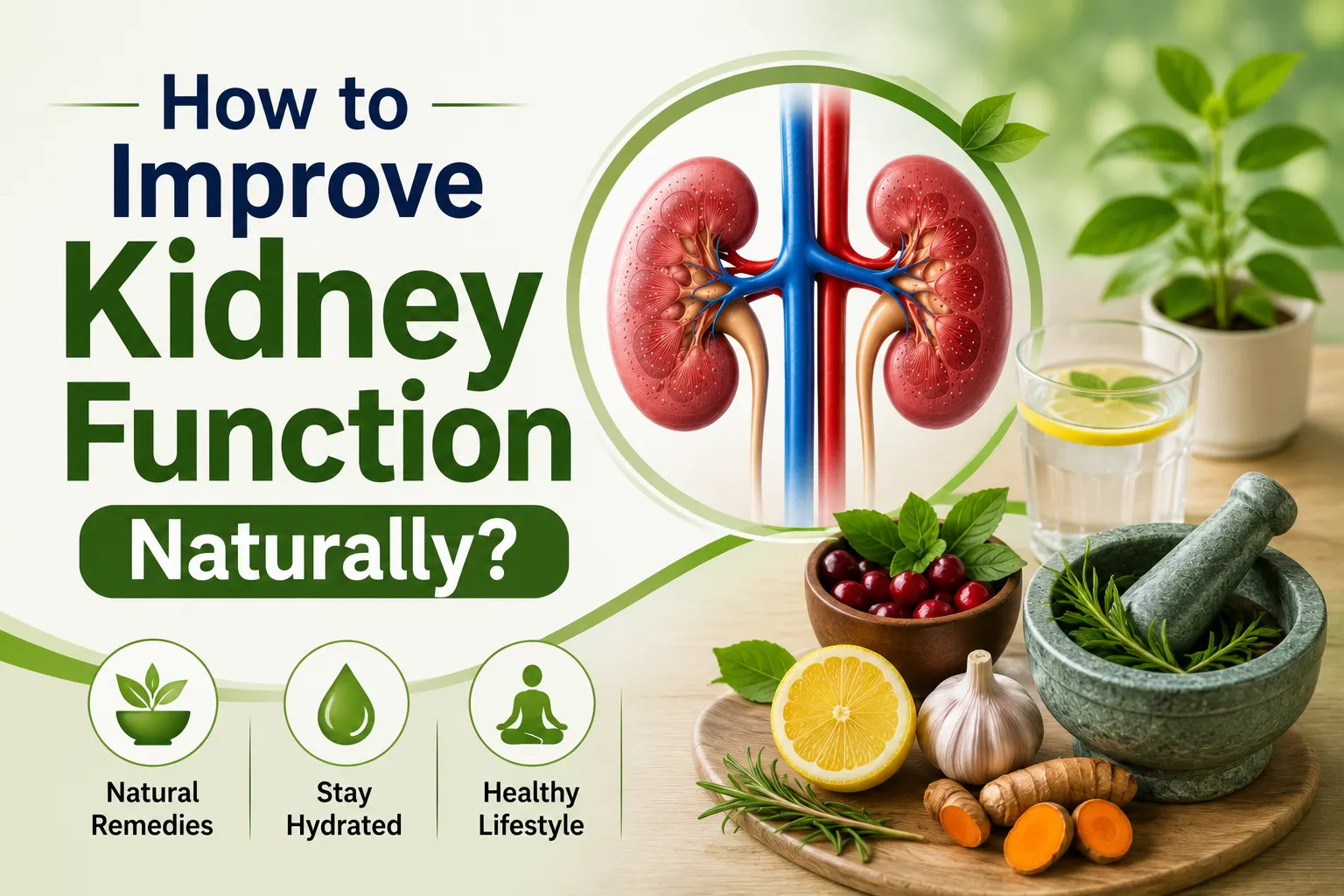

Drink more water, go lighter on salt, keep your blood sugar and blood pressure from doing whatever they want, and stop treating painkillers like breath mints. Honestly, that's most of it. If you came here for some secret kidney-cleansing hack involving turmeric shots at 5 a.m., I'm sorry, this isn't that blog.
I'll be honest, I never thought about my kidneys until a doctor once casually mentioned my "creatinine was a little high" during a routine checkup, and I nodded like I understood what that meant while internally panicking and googling it in the parking lot five minutes later. Turns out most of us are like that. Your heart gets check-ups, your skin gets serums, your kidneys get... nothing. Two fist-sized organs quietly filtering something like 150 litres of blood a day, and we don't think about them until a lab report says otherwise.
So, here's the deal. Kidney health isn't some elite club you need a wellness influencer's blessing to join. It's mostly boring, repeatable stuff. Let's get into it.
Water. Yes, Again. I Know.
You've heard "drink more water" so many times it's basically become white noise, like the health-advice version of "have you tried yoga." But it keeps getting repeated because it's just... true. Water helps your kidneys flush out sodium and waste products. When you're chronically running low on fluids, your kidneys have to work harder, and over years that adds up.
There's a study out of the Clinical Journal of the American Society of Nephrology that found people who drank more fluids had a slower decline in kidney function if they were already at risk. You don't need a giant water bottle with hourly reminders taped to it (though, no judgment if that's your thing). Just drink steadily through the day. Pale yellow urine is your green light, basically.
The Salt Situation
Sodium intake and your kidneys have one of those relationships where everything looks fine until suddenly it isn't. Too much salt pushes blood pressure up, and high blood pressure is one of the two biggest kidney wreckers out there, right alongside diabetes.
The American Heart Association has pointed to links between high-sodium eating and early protein leakage in urine, which is basically your kidneys quietly waving a small red flag. I'm not saying give up flavor and eat sad boiled chicken forever. Just maybe don't let instant noodles and packaged snacks run the show every day.
Blood Sugar and Blood Pressure: Keep Them Dull
If diabetes and hypertension had a joint LinkedIn profile, "top cause of kidney damage" would be right there in the headline. High blood sugar over time messes with the tiny filtering vessels inside your kidneys. High blood pressure does something similar.
The National Kidney Foundation has noted that roughly 1 in 3 people with diabetes end up developing some degree of kidney disease. Not to sound like your annoying aunt at a family dinner, but regular checkups actually matter here.
Painkillers Aren't Vitamins
Look, I get it, life is uncomfortable and ibuprofen exists for a reason. But popping NSAIDs for every little ache, week after week, adds strain your kidneys didn't sign up for. Research published in the American Journal of Kidney Diseases has connected long-term, heavy NSAID use with reduced kidney function over time. Occasional use, totally fine. Making it a daily ritual, less fine.
What To Actually Eat
A kidney-friendly diet doesn't mean eating cardboard. Some easy wins:
-
Berries, because antioxidants and also they're just good
-
Fatty fish, for the omega-3s
-
Olive oil over the more processed stuff
-
Garlic and onion instead of a heavy salt hand
-
Leafy greens, though go easy here if you already have kidney issues
Quick and Slightly Judgmental Comparison Table
|
Habit |
Effort |
Actually Helps Your Kidneys? |
|
Drinking water consistently |
Barely any |
Yes, genuinely |
|
Cutting back on salty snacks |
Mild inconvenience |
Yes |
|
Managing blood sugar |
Real work |
Big yes |
|
That detox tea your cousin sells |
None, except to your wallet |
No, not really |
|
Popping NSAIDs daily "just because" |
Zero effort now, cost later |
Nope |
Key Takeaways
-
Water isn't glamorous, but it's doing more heavy lifting than most supplements ever will
-
Sodium intake quietly shapes your blood pressure and kidney strain
-
Diabetes and high blood pressure are the two big troublemakers for kidney health
-
Regular NSAID use adds up, so don't treat it like candy
-
Detox teas are mostly marketing; your kidneys already detox you for free
FAQs
Can drinking more water reverse kidney damage?
Not reverse, exactly, but it takes real pressure off your kidneys and can slow things down.
Is a high-protein diet bad for kidneys?
If your kidneys are healthy, it's usually fine, but if they're already struggling, too much protein can push them harder.
Do detox teas actually cleanse the kidneys?
Not really; your kidneys are already running a 24/7 detox operation without any help from tea.
How much water should I drink for good kidney health?
There's no perfect number for everyone; just sip steadily and let pale-yellow urine be your rough guide.
Can stress affect kidney function?
Indirectly, yes, because chronic stress tends to raise blood pressure, and that's not a friend to your kidneys.
Disclaimer: This blog is meant for general reading and isn't medical advice. Kidney health depends a lot on individual health conditions, so please talk to a doctor or nephrologist before changing your diet, hydration habits, or medications in any major way.