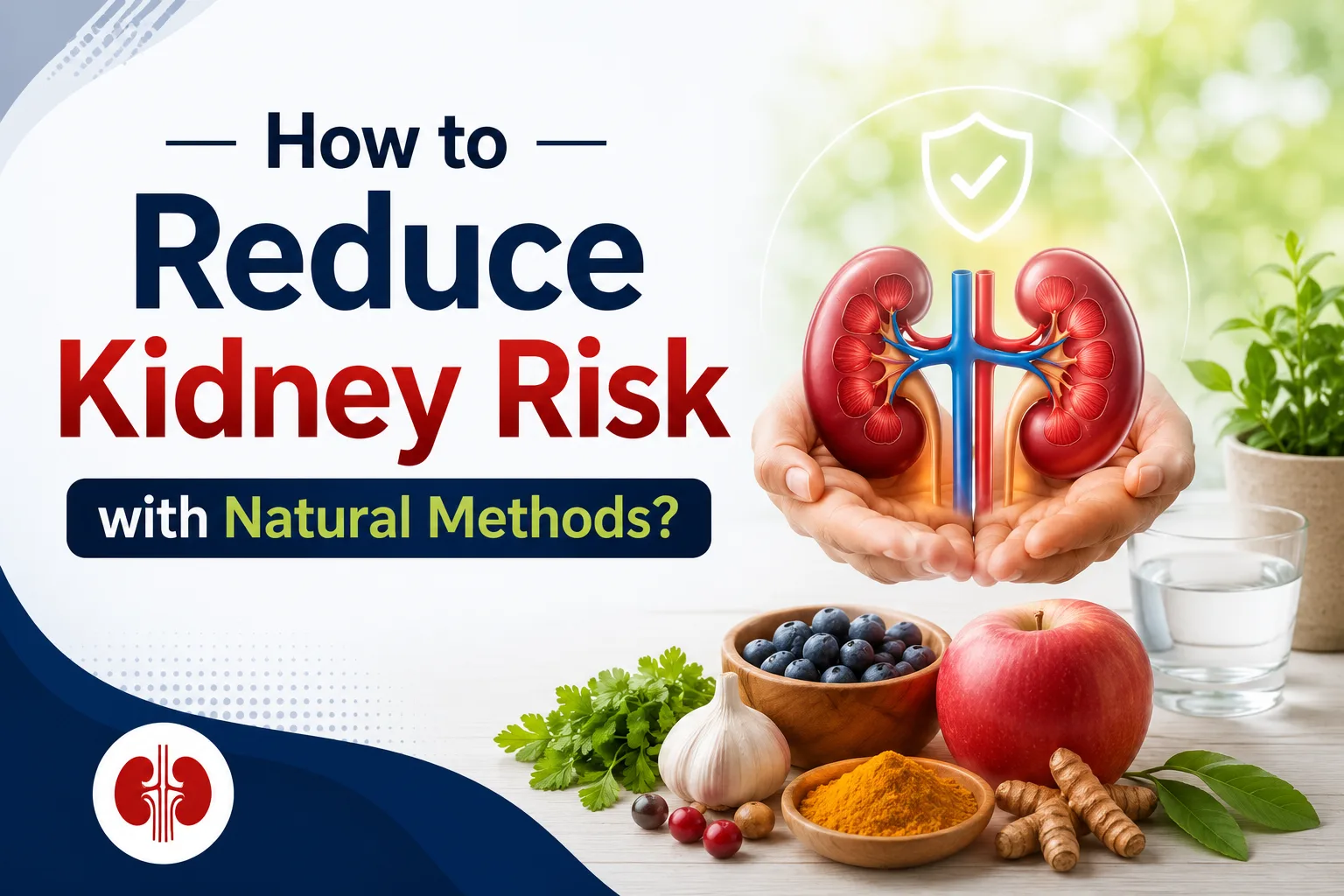

Yes, you absolutely can reduce kidney risk naturally; and no, it doesn't involve chugging weird green juices at 6 AM while chanting to a smoothie blender. It mostly comes down to boring-but-effective daily habits that your kidneys have been quietly begging you for.
Your kidneys are basically the unpaid janitors of your body. Every single day, they filter out roughly 200 liters of blood, remove waste, balance your fluids, and somehow never ask for a raise or a vacation. And yet most of us don't think about them until something goes wrong; usually around the time a doctor says the word "creatinine" and we nod like we know what that means.
The good news? You don't need a medical degree or a subscription to five wellness apps to take care of them. A few consistent, natural habits go a long way in kidney prevention, and I promise none of them require you to give up chai forever.
Why Your Kidneys Deserve Better
Kidneys don't really complain until they're in real trouble; by the time symptoms like swelling, fatigue, or changes in urination show up, a fair bit of damage may already be done. A study published in the American Journal of Kidney Diseases found that early lifestyle interventions- things like hydration, blood pressure control, and reduced sodium intake- significantly slowed the progression of kidney function decline in at-risk individuals. Translation: small habits, done consistently, matter more than any miracle cure.
Simple, Natural Ways to Protect Your Kidneys
Here's where we get practical. No fads, no 47-step morning routines.
-
Drink water like it's your job (but don't overdo it). Staying properly hydrated helps kidneys flush out toxins efficiently. Research from the Clinical Journal of the American Society of Nephrology linked adequate water intake with better long-term kidney function in adults.
-
Go easy on the salt shaker. High sodium intake raises blood pressure, and blood pressure is basically enemy number one for kidneys. The DASH diet studies (yes, the same one your aunt swears cured her blood pressure) consistently show reduced sodium supports better renal health.
-
Don't treat painkillers like candy. Overusing NSAIDs (ibuprofen, etc.) over long periods has been associated with kidney stress in multiple clinical reviews. Occasional use is fine; daily popping is not.
-
Move your body. Regular physical activity helps manage blood pressure and blood sugar, both major players in kidney health.
-
Watch your sugar intake. Uncontrolled blood sugar is one of the leading causes of kidney damage worldwide, according to data from the World Health Organization.
-
Get regular checkups. A simple blood and urine test can catch issues years before symptoms show up.
Following these consistently is honestly one of the simplest ways to reduce kidney risk naturally without turning your life upside down.
Where Ayurveda Fits In
Traditional practices have long emphasized natural kidney care through diet, herbs, and lifestyle balance. Ingredients like coriander seeds, punarnava, and barley water have been used for generations to support gentle detoxification and fluid balance. While these aren't a replacement for medical treatment, many people find that combining modern medical guidance with Ayurvedic support, under proper consultation, adds a nice layer of everyday kidney wellness to their routine.
Foods That Love Your Kidneys (And Ones That Don't)
|
Kidney-Friendly Foods |
Kidney Troublemakers |
|
Cucumber (basically walking water) |
Processed snacks (salt bombs in disguise) |
|
Berries |
Sugary sodas |
|
Garlic (vampire repellent + kidney support) |
Excess red meat |
|
Leafy greens (in moderation if you have existing kidney issues) |
Packaged instant noodles |
|
Herbal teas |
Energy drinks (your kidneys did not sign up for this) |
Key Takeaways
-
Hydration and lower sodium intake are two of the easiest ways to reduce kidney risk naturally.
-
Managing blood pressure and blood sugar protects kidney function long-term.
-
Avoid overusing painkillers without medical guidance.
-
Traditional and Ayurvedic habits can complement, not replace, medical care.
-
Regular checkups catch problems early, when they're easiest to manage.
-
Simple food swaps make a bigger difference than dramatic diet overhauls.
Final Thoughts
Nobody wakes up thinking, "Today, I shall love my kidneys." But maybe we should. A few consistent habits; water, less salt, movement, and regular checkups- can genuinely help reduce kidney risk naturally over time. Your kidneys aren't asking for perfection. Just a little consideration once in a while.
FAQs
Q: Can I reduce kidney risk naturally without medication?
Yes, for many people, consistent hydration, lower sodium intake, and healthy blood pressure habits meaningfully lower kidney risk over time.
Q: What foods should I avoid for kidney wellness?
Highly processed, salty, and sugary foods are the biggest everyday offenders for kidney strain.
Q: How often should I get my kidneys checked?
An annual blood and urine test is a reasonable baseline for most healthy adults, more often if you have risk factors like diabetes or high blood pressure.
Disclaimer: This blog is for general informational purposes only and is not a substitute for professional medical advice, diagnosis, or treatment. Kidney health varies by individual. Please consult a qualified doctor or nephrologist before making significant changes to your diet, medication, or health routine.