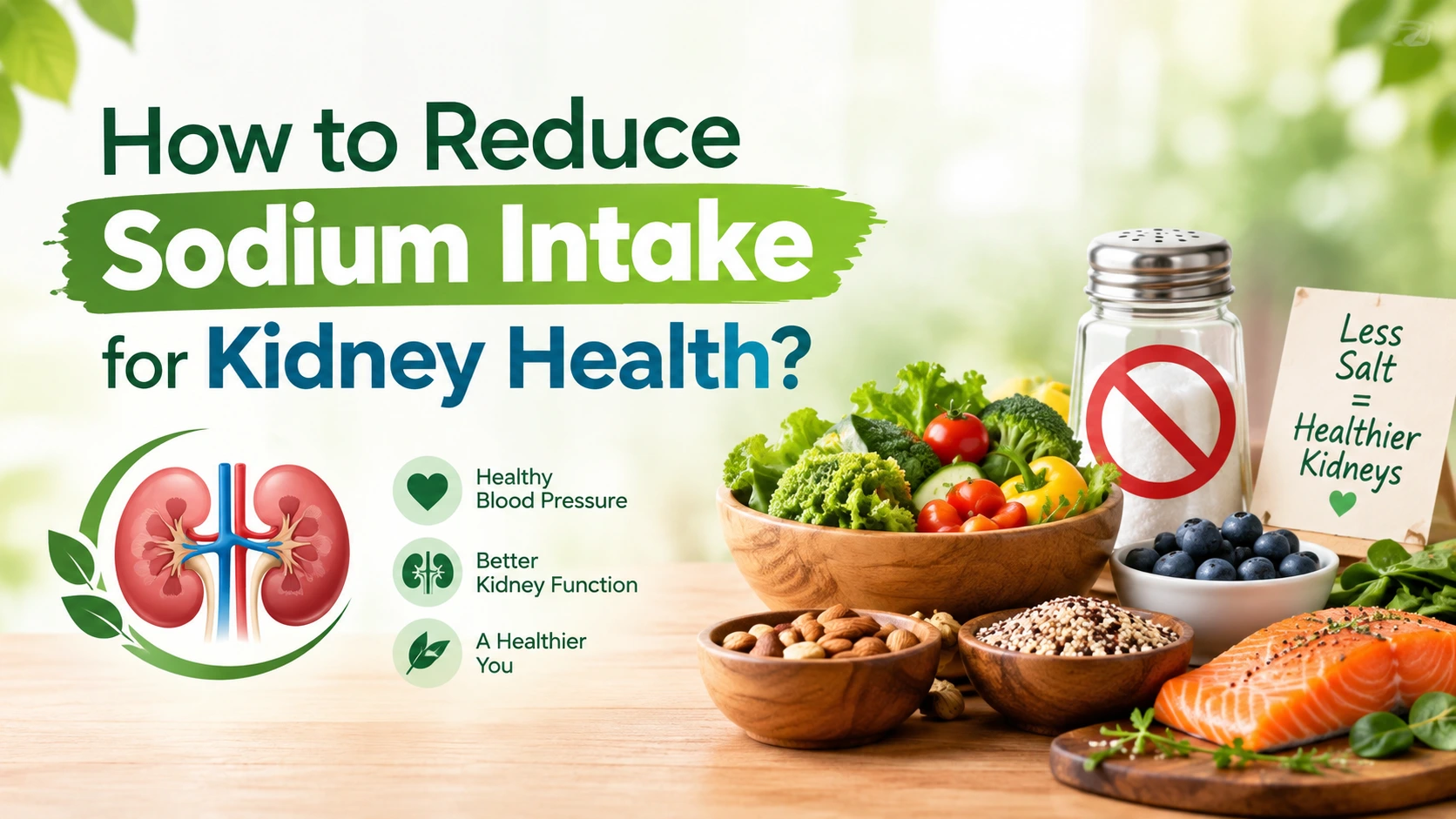

If you're trying to cut back on salt for the sake of your kidneys, the game plan is pretty simple: ditch the processed stuff, cook fresh meals with good spices, and swap out regular table salt for things like citrus juice or garlic. Cutting your daily salt intake roughly in half genuinely helps relax your blood vessels, reduces fluid retention, and takes a lot of pressure off kidneys that are already working hard enough.
Getting a handle on sodium intake for kidney health doesn't mean resigning yourself to meals that taste like wet cardboard forever. Your taste buds actually adjust faster than you'd think; usually within a couple of weeks, you start noticing real food flavours again instead of just craving salt.
Why Does Science Care So Much About Your Salt Shaker?
When you load up on sodium, your body holds onto extra fluid to dilute it. That extra fluid volume puts pressure on your blood vessels, and your heart and kidneys end up working against that resistance constantly.
A notable 2023 study published in The Lancet found that cutting dietary salt by even a few grams a day meaningfully lowers blood pressure and slows down the progression of declining kidney function. Another trial, reported in The American Journal of Clinical Nutrition, found that low-sodium diets made blood pressure medications work noticeably better, while also reducing protein leakage into urine.
Basically, putting the salt shaker down gives your blood vessels a break they've probably been asking for.
A lot of people who start looking into managing fluid balance and blood pressure this way eventually come across Kidney disease Ayurvedic treatment traditions. These older systems have always leaned on digestion-friendly spices like ginger, coriander, and cumin to bring out flavour naturally, without depending so heavily on salt.
Smart Flavour Swaps vs. the Usual Salty Suspects
Here's a quick look at how everyday kitchen staples compare to kinder alternatives for your kidneys:
|
High-Sodium Usual |
Flavour-Packed Swap |
The Taste Verdict |
|
Soy Sauce (1,000+ mg) |
Lemon juice + garlic powder |
Zesty and bright, no salt guilt |
|
Commercial Spice Blends |
Fresh herbs (thyme, rosemary, basil) |
Earthy, layered, genuinely gourmet |
|
Canned Soups & Broths |
Homemade vegetable stock with onion |
Comforting, without the sodium hit |
|
Table Salt |
Sumac or nutritional yeast |
Tangy and savoury, minus the sodium |
What Traditional Herbal Approaches Say
If you've spent any time reading around this topic, you've probably come across approaches like Karma Ayurveda for kidney disease treatment. These approaches usually combine tailored low-sodium diets with long-used herbal remedies aimed at supporting the body's fluid balance overall.
For anyone curious about Ayurvedic kidney disease treatment, the focus tends to stay on lifestyle changes, cleaner eating, and plant-based nourishment. Rather than just stripping things off your plate, these holistic approaches also try to bring in foods that genuinely support your organs, rather than just removing the "bad" stuff.
For instance, if you've been searching for the best herbs for kidney stones in Ayurveda, herbs like Gokshura, Pashanbhed, and Punarnava come up often, mainly for their gentle diuretic properties. Leaning on herbs and citrus to season your food is a genuinely solid natural treatment strategy for kidney disease; it keeps meals interesting while sparing your kidneys the extra sodium load.
Easy Kitchen Habits That Cut Sodium Fast
You don't need a culinary degree or a total lifestyle overhaul to bring your salt intake down. A handful of small changes go a long way:
Rinse your canned goods. If canned beans or vegetables are part of your routine, give them a good rinse under cold water; it washes away a surprising amount, up to 40%, of the hidden sodium.
Read labels properly. Check the serving size on packaged food carefully. "Low Sodium" on a label legally means 140mg or less per serving; not per package.
Be careful with "sodium-free" salt substitutes. A lot of these swap sodium for potassium chloride instead, which can be just as risky if your body already struggles to manage potassium.
Use acid to your advantage. A squeeze of lemon, lime, or a splash of apple cider vinegar tricks your palate into thinking a dish is well-seasoned, even without a grain of added salt.
Key Takeaways
Eases fluid pressure; cutting back on salt reduces fluid buildup and takes strain off your heart and kidneys.
Backed by real research; large studies, including one in The Lancet, confirm that lower sodium intake slows kidney decline.
Flavour doesn't have to disappear; citrus, garlic, and fresh herbs bring plenty of taste without raising blood pressure.
Watch out for potassium-based substitutes; avoid over-the-counter salt substitutes without medical clearance, since many are loaded with potassium.
📩 Ask a Kidney Expert (Free 10-Min Consultation)
Frequently Asked Questions
How much sodium should someone with kidney concerns aim for daily?
Most health professionals recommend staying under 2,000 mg a day, which works out to roughly one teaspoon of table salt.
Can I just switch to potassium chloride salt substitutes?
Not without checking first; impaired kidneys often struggle to clear extra potassium, which makes these substitutes risky without your doctor's go-ahead.
How long does it actually take for taste buds to adjust to less salt?
Usually around two to three weeks. After that, regular processed food tends to taste almost too salty.
Does drinking more water help flush out excess sodium?
Yes, staying well hydrated does help flush out extra minerals; just check with your doctor first if you're on a fluid restriction.
Disclaimer
This blog post is meant purely for educational and informational purposes. Always talk to your nephrologist, primary physician, or a registered renal expert like Dr. Puneet Dhawan before making major changes to your sodium intake or trying herbal remedies.