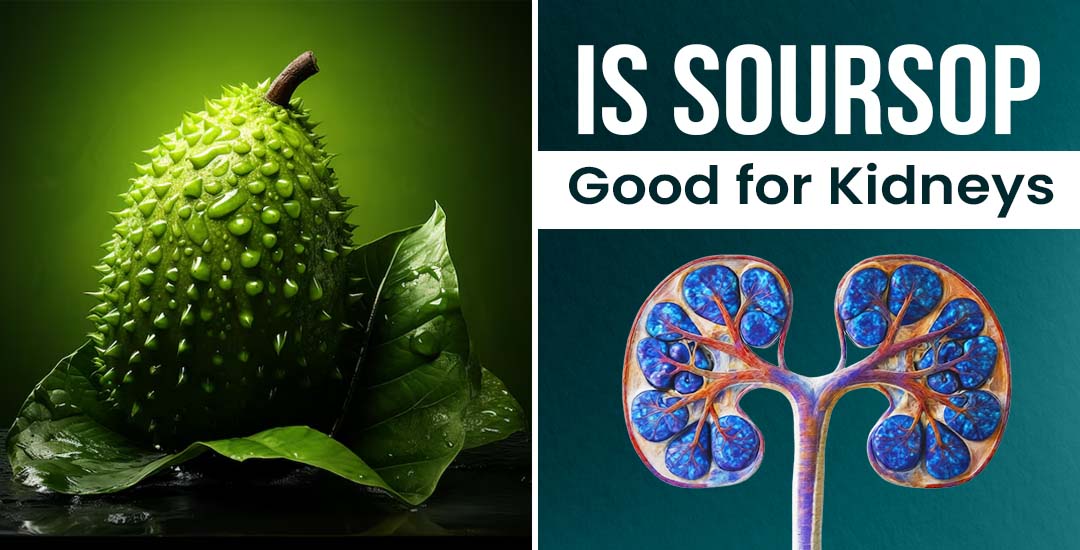

If you’ve ever seen a green, spiky fruit that looks like it could double as a medieval weapon, congratulations; you’ve probably met soursop. Also known as Soursop or Graviola, this tropical fruit has become quite famous in the natural health world. Some people call it a “miracle fruit.” Others say it’s great for immunity, cancer, diabetes, and yes, even kidneys.
But here’s the real question: Is soursop good for your kidneys, or is it just enjoying celebrity status on social media?
Let’s break this down in simple, friendly language; no medical dictionary needed.
What Is Soursop?
Soursop is a tropical fruit that grows in warm countries and has soft white flesh inside and tastes like a mix of pineapple and strawberry with a little citrus drama. It’s rich in vitamin C, antioxidants, and fiber.
People drink soursop juice, eat the fruit, or even boil the leaves to make tea. Somewhere along the way, it earned a reputation for being “good for everything.”
Now, when it comes to kidney health, things get interesting.
So, when we ask, “Is soursop good for kidneys?” what we really mean is:
Does it help these filters work better?
Does it protect them?
Or could it secretly annoy them?
Soursop Kidney Benefits
Soursop for kidneys has the following benefits:
Soursop contains antioxidants. Antioxidants help reduce inflammation and fight oxidative stress. Oxidative stress is basically “body rust.” And yes, that rust can affect the kidneys, too.
Some early research suggests that antioxidants may help protect kidney cells from damage, especially in people with high blood pressure or diabetes. Since these two conditions are major causes of kidney disease, anything that reduces inflammation sounds promising.
Soursop also contains potassium. Now wait; potassium can be good and bad depending on the situation. In healthy people, potassium helps regulate blood pressure. Lower blood pressure means less stress on the kidneys. That’s a good thing.
But hold that thought. We’ll come back to potassium.
The Important Warning (Especially If You Have Kidney Disease)
Here’s where we need to be careful.
If your kidneys are healthy, eating soursop in normal amounts is generally fine. It’s just fruit. Your kidneys can handle it.
But if you already have chronic kidney disease (CKD), things change.
Remember the potassium we mentioned? In kidney disease, your kidneys struggle to remove extra potassium from the blood. Too much potassium can be dangerous. It can affect your heart rhythm. And your heart is not a fan of surprise rhythm changes.
Soursop contains moderate potassium. So if you have advanced kidney disease, drinking large amounts of soursop juice or tea might not be safe.
In simple terms:
Healthy kidneys? Probably okay in moderation.
Weak kidneys? Talk to your doctor first.
Is Soursop Tea Good for Kidneys?
Many people drink it believing it detoxifies the body. But here’s the truth: your kidneys already detox your body. They don’t need a motivational speech from tea.
Some compounds in soursop leaves are strong. In very high amounts, they may even be toxic. There have been concerns about nerve-related side effects with long-term use.
So, drinking one cup occasionally? Fine.
Drinking it like it is water every day? Not a great idea.
Your kidneys prefer balance, not extremes.
Can Soursop Cure Kidney Disease?
Let’s clear this up with zero drama.
No fruit cures chronic kidney disease.
Soursop is nutritious. It may support overall health. It may help reduce inflammation. But it is not a magic kidney repair button.
Kidney disease is complex. It involves blood pressure control, blood sugar control, proper hydration, medication management, and sometimes specialized treatment plans.
If someone online says, “Drink this fruit juice and your kidneys will become brand new,” your kidneys would probably roll their tiny bean-shaped eyes.
Soursop and Kidney Stones; Friend or Foe?
Some people believe soursop helps prevent kidney stones, but this claim does not have any solid backing. However, since the fruit has water content and antioxidants, staying hydrated and reducing inflammation may indirectly support kidney health.
But again; moderation matters.
If you are prone to certain types of stones (like oxalate stones), you should always check the nutritional composition of foods before going all in.
Kidneys love calm, steady habits; not sudden fruit festivals.
Is Soursop Good for Dialysis Patients?
No, it is high in potassium, which dialysis patients must control carefully to protect the heart. It may also affect blood pressure. Please discuss with an expert like Dr. Puneet Dhawan for better clarification.
So, Should You Eat Soursop?
If you are healthy and simply want to enjoy a tropical fruit, yes, you can eat soursop in moderation. It provides vitamin C, fiber, and antioxidants.
If you have early-stage kidney problems, small amounts may still be okay, but it’s wise to monitor potassium levels.
If you have advanced kidney disease or are on dialysis, you must consult your doctor before adding potassium-rich fruits regularly.
The keyword here is moderation. Not obsession.
How to Enjoy It Safely
If you want to include soursop in your diet, keep it simple:
Have it occasionally, not daily.
Avoid concentrated extracts unless guided by a professional.
Do not replace prescribed treatment with fruit or tea.
Balance it with an overall kidney-friendly diet.
Your kidneys appreciate teamwork.
The Final Verdict
With kidneys functioning properly, it is a component of a balanced diet. Antioxidants can assist in maintaining health and may help in reducing inflammation.
For those with renal impairment, particularly in the later stages of renal disease, caution must be exercised due to the amount of potassium and possible complications associated with excessive doses.
Soursop is a fruit, not a superhero.
It’s helpful, not magical.
It’s supportive, not curative.
Your kidneys don’t need extreme detox trends. They need steady blood pressure, balanced blood sugar, proper hydration, and sensible eating.
So go ahead; enjoy that tropical fruit salad once in a while. Just don’t expect your kidneys to send you a thank-you card.
And remember, when it comes to kidney health, consistency beats miracle claims every single time.
FAQ
Is soursop good for kidneys?
Yes, it is safe in small amounts for healthy people, but it has not been proven to heal kidneys.
Can kidney patients take soursop?
Only after asking a doctor, as it may be high in potassium.
What is the best drink for kidney repair?
Plain water. It’s the safest and best option.
Who should not eat soursop?
Kidney patients, people with low BP, and pregnant women (without medical advice).