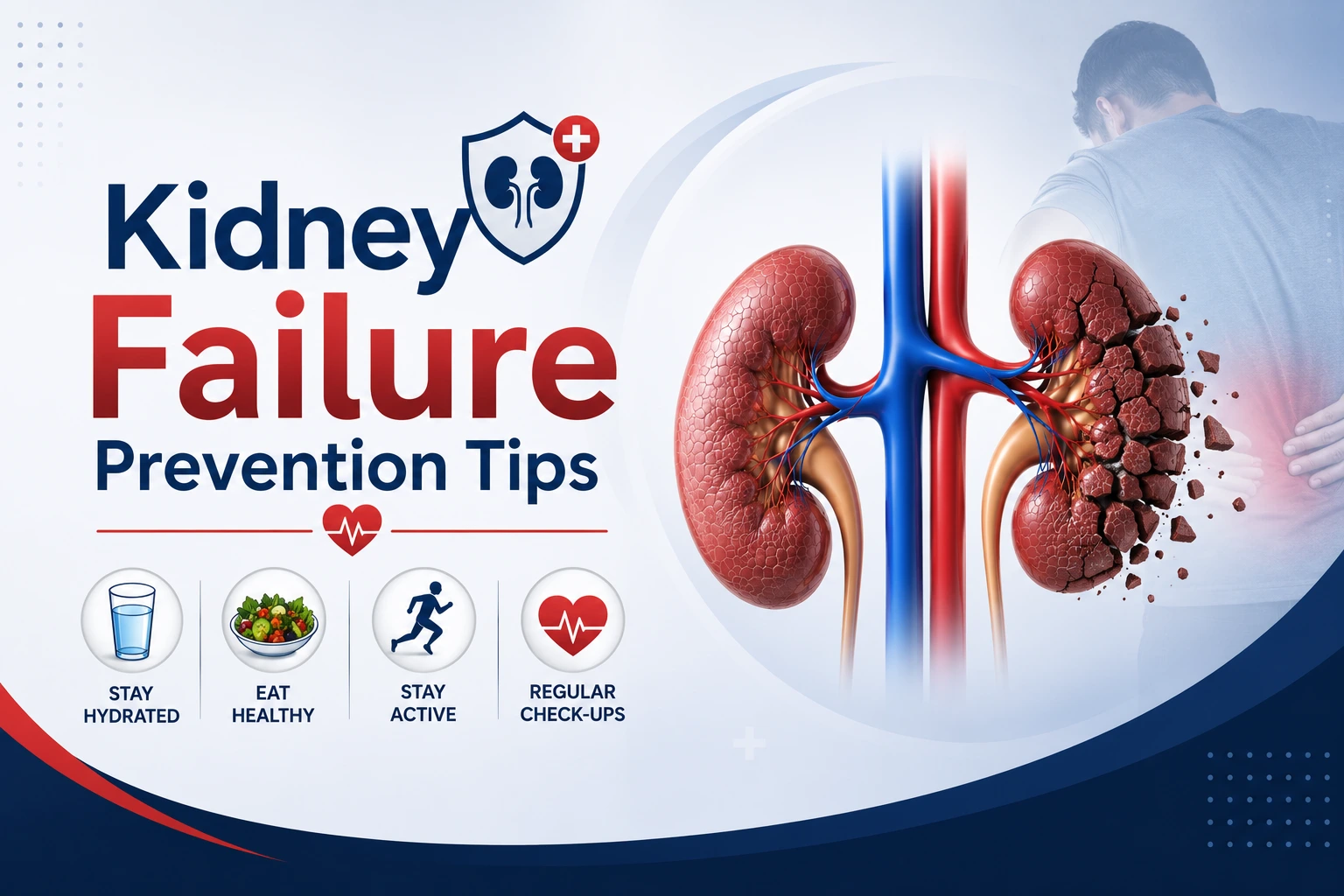

You can protect your kidneys and avoid structural damage by keeping your blood pressure under control, managing your blood sugar levels, staying hydrated, and avoiding the overuse of over-the-counter painkillers. Implementing these simple kidney failure prevention tips early on is the definitive way to keep these vital, fist-sized bean filters running smoothly for a lifetime.
Let's face it: nobody wakes up in the morning, looks in the mirror, and thinks, "Gee, I really want to focus on my renal health today." We usually focus on the organs that make a scene, like a pounding heart or a grumbling stomach. But your kidneys? They are the ultimate, quiet introverts of your anatomy. They sit back there in your lower back, silently filtering about 150 quarts of blood every single day without asking for a thank you note. However, for many American patients, these quiet workers are under a lot of stress. In fact, CDC data shows that a whopping 37 million U.S. adults are dealing with chronic kidney issues, and 9 out of 10 don't even know it.
If you want to keep your body's plumbing system pristine, active kidney disease prevention isn't just a good idea; it's your ticket to avoiding some very unfun medical interventions later down the road. Let's break down how to give your pair the five-star treatment they deserve.
Watch the Salt Shaker and the Pressure Gauge
High blood pressure is like turning the water hose on maximum blast inside a delicate glass greenhouse. Your kidneys are packed with tiny, fragile blood vessels. When your blood pressure spikes, those vessels get scarred and stiff.
The SPRINT Trial (Systolic Blood Pressure Intervention Trial), a landmark scientific study published in the New England Journal of Medicine, proved that keeping your systolic blood pressure under strict control drastically reduces the risk of cardiovascular events and protects organ function.
-
Keep your blood pressure ideally below 120/80 mmHg.
-
Limit daily sodium intake (think fresh food, not processed boxed meals).
-
Sneak in at least 30 minutes of movement a day to keep those arteries flexible.
Treat Your Sweet Tooth with Respect
Diabetes is the leading cause of kidney issues in the United States. When your blood sugar stays consistently high, the excess glucose acts like sandpaper, irritating the microscopic filters within your kidneys. The famous UKPDS Study (United Kingdom Prospective Diabetes Study) definitively showed that intensive blood sugar control directly lowers the risk of microvascular complications; which is just a fancy scientific way of saying it protects your kidneys from fraying.
If you are looking out for your long-term kidney wellness, keeping an eye on your A1C levels is non-negotiable.
The Over-the-Counter Painkiller Trap
We have all done it: your lower back aches, or a headache strikes, and you pop a couple of ibuprofen pills like they are candy. But your kidneys absolutely hate this. Non-Steroidal Anti-Inflammatory Drugs (NSAIDs) reduce the blood flow to your kidneys. Doing this occasionally is fine, but chronic use can lead to sudden or long-term damage.
Here is a quick, completely unscientific comparison table to help guide your medicine cabinet choices:
|
Medication Type |
How Your Kidneys Feel About It |
Better Alternative |
|
Ibuprofen / Naproxen (NSAIDs) |
"Please stop, we are suffocating out of fluid flow here!" |
Use sparingly, only when absolutely necessary. |
|
Acetaminophen |
"Much better for us, but don't go wild and upset the liver!" |
A friendlier option for pain relief, within recommended doses. |
|
Water & A Good Nap |
"Absolute paradise. 10 out of 10 stars." |
The ultimate zero-side-effect remedy. |
Hydration and Routine Checkups
You don't need to drink three gallons of water a day, but staying hydrated helps your kidneys clear sodium and toxins from your body. More importantly, getting an annual checkup that includes a simple urine and blood test provides vital early support. These tests look for a protein called albumin in your urine and calculate your eGFR (estimated glomerular filtration rate). Finding out early if your filters need help gives you the upper hand long before symptoms ever show up.
Key Takeaways
-
Slash the Salt: Keep blood pressure in check to protect delicate renal vessels.
-
Manage the Sugar: Keep blood glucose stable to avoid the "sandpaper" effect on your filters.
-
Ditch the Daily NSAIDs: Give your kidneys a break by limiting over-the-counter anti-inflammatories.
-
Get Screened: Ask your doctor for regular eGFR and urine albumin tests for crucial renal health monitoring.
Frequently Asked Questions
How much water should I drink to keep my kidneys healthy?
Aim for roughly 8 cups a day, but just look at your urine; if it looks like light lemonade, your kidneys are perfectly happy.
Can kidney damage be reversed if caught early?
While physical scarring can't always be undone, catching issues early allows you to halt the damage completely through lifestyle shifts.
What is the number one cause of kidney failure in America?
Uncontrolled diabetes holds the crown, closely followed by chronic high blood pressure.
Do kidneys hurt when they are struggling?
Surprisingly no, they are mostly silent, which is why preventive blood and urine tests are so incredibly important.
Disclaimer: This blog is intended for informational and educational purposes only and should not be taken as professional medical advice. Always consult with a qualified healthcare provider or nephrologist regarding any changes to your diet, medication, or specific health conditions.