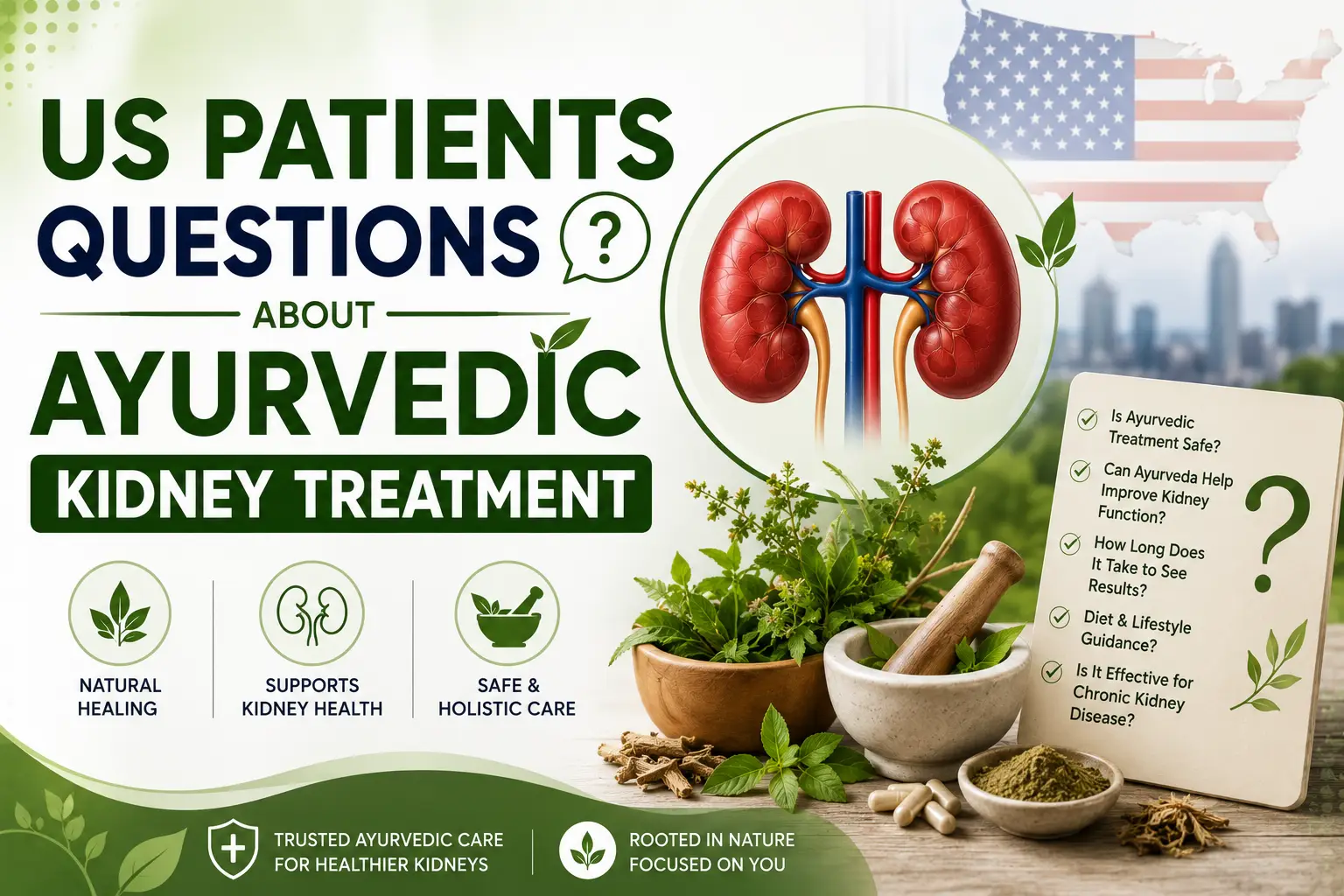

US Patients' Questions About Ayurvedic Kidney Treatment: What You're Really Asking (And What Actually Makes Sense)
So here's the short answer up front: yes, questions about Ayurvedic kidney treatment are flooding in from US patients, and no, there's no single herb that's going to replace your nephrologist overnight. There, now you can stop scrolling if that's all you needed. But if you want the "why," the "how," and the "should I actually try this," grab a chai (or coffee, we don't judge) and stick around.
Here's the thing nobody tells you when you get a CKD diagnosis: your inbox suddenly becomes a magnet for every wellness influencer, distant aunt, and "I saw this on YouTube" relative suggesting turmeric water, punarnava, or some powder from a shop three states away. It's overwhelming. And when the suggestions keep piling up, it's completely natural to start Googling questions about Ayurvedic kidney treatment at 2 AM, wondering if grandma's remedies actually hold water (pun very much intended, since kidneys are basically your body's plumbing department).
Why This Search Is Suddenly Everywhere?
Kidney disease doesn't announce itself with fireworks. It creeps in quietly; fatigue, puffy ankles, weird lab numbers; and by the time it's diagnosed, patients are hungry for options beyond "take this pill and see you in three months." That's where kidney care conversations start expanding beyond the pharmacy aisle.
A few real reasons US patients are asking around:
-
Dialysis and transplants are effective but expensive, exhausting, and life-altering
-
People want to feel like they're doing something between doctor visits, not just waiting
-
Ayurveda's whole "diet, lifestyle, herbs together" philosophy sounds a lot less scary than "stage 3 CKD"
-
Social media has turned herbal remedies into content, for better or worse
None of this means Ayurveda is a miracle cure. It means people are curious, a little scared, and want a fuller picture. Fair enough.
What The Research Actually Says (No Sales Pitch Here)?
This is where I'll be the annoying friend who insists on reading the label before eating the mystery snack. A 2011 study published in the journal Ayu looked at 100 chronic renal failure patients treated with Ayurvedic protocols and reported improvements in kidney function markers like serum creatinine and blood urea over time. Another comparative study in the same journal (2010) examined a herbal formulation called Punarnavadi compound and found measurable effects on renal function parameters compared to conventional management alone. More recent case-based research has echoed similar findings; herbs like Gokshura, Punarnava, and Varun showing "nephroprotective" tendencies in smaller studies.
The catch? Most of these are small case studies, not massive randomized trials with thousands of participants. Reviewers themselves have flagged that Ayurveda's contribution to CKD management still needs stronger scientific validation before anyone calls it settled science. So think of it less as "proven cure" and more as "promising, worth discussing with your doctor, still being studied."
The Comparison Nobody Asked For (But Everyone Needs)
|
Modern Nephrology |
Ayurvedic Approach |
|
|
Speed of results |
Fast, measurable, boring paperwork |
Slow, steady, lots of patience required |
|
Side effects |
Sometimes rough (ask anyone on dialysis) |
Generally gentler, but "natural" ≠ "risk-free" |
|
Evidence base |
Decades of large trials |
Smaller studies, growing slowly |
|
Vibe |
Clinical, efficient |
Holistic, a bit like a wellness retreat |
|
Best used |
As the main plan |
As a supportive sidekick, not the hero |
Basically: one's the responsible adult, the other's the supportive best friend. You want both in your corner, not one replacing the other.
What An Ayurvedic Consultation Actually Looks Like?
If you're picturing a mystical figure handing you a jar of leaves and disappearing into smoke, reset that expectation. A real Ayurvedic consultation usually involves:
-
A detailed history of your diet, sleep, stress, and digestion (yes, digestion; Ayurveda loves gut health)
-
Pulse diagnosis and body-type (dosha) assessment
-
Personalized dietary tweaks; often less salt, less processed food, more hydration-friendly choices
-
Herbal formulations, usually alongside; not instead of; your existing prescriptions
-
Follow-ups to track how your labs and symptoms shift over weeks, not days
Good practitioners will straight-up tell you to keep seeing your nephrologist. If someone tells you to ditch your dialysis schedule for herbs, that's your cue to run, not walk, out the door.
So, Is It Worth Exploring?
If your goal is broader kidney wellness; better energy, steadier digestion, less inflammation-triggering food, a calmer nervous system; Ayurvedic lifestyle practices can genuinely complement your care plan. If your goal is replacing dialysis or prescribed medication with turmeric tea, that's not where the evidence is, and it's not a gamble worth taking with your kidneys.
Think of Ayurveda here as a supportive natural treatment layer: diet, herbs, stress management, sleep; the boring-but-important stuff that modern medicine sometimes rushes past in a 12-minute appointment.
Key Takeaways
-
Questions about Ayurvedic kidney treatment are rising among US patients mainly because people want options beyond dialysis and pills alone
-
Small clinical studies (Ayu, 2010 & 2011) show promising kidney markers with certain Ayurvedic formulations, but large-scale trials are still limited
-
Ayurveda works best as a complement to conventional treatment, not a replacement
-
A proper Ayurvedic consultation should never tell you to stop prescribed medical treatment
-
Focus on lifestyle, diet, and stress reduction for real, sustainable kidney wellness gains
FAQs
Is Ayurvedic treatment safe for kidney patients?
Generally, yes when guided by a qualified practitioner alongside your doctor, but self-medicating with random herbs can actually harm compromised kidneys.
Can Ayurveda cure kidney disease completely?
No credible evidence supports a full "cure," though it may support symptom management and slower progression alongside conventional care.
Do US patients need to travel to India for Ayurvedic kidney treatment?
Not necessarily; many licensed Ayurvedic practitioners and telehealth consultations are now available within the US itself.
Are Ayurvedic herbs like Punarnava backed by research?
Small clinical studies suggest benefits for kidney function markers, though more large-scale research is still needed to confirm long-term effectiveness.
Should I stop dialysis if I start Ayurvedic treatment?
Absolutely not; dialysis and prescribed treatments should continue unless your nephrologist specifically advises otherwise.
Disclaimer: This blog is for general informational purposes only and isn't medical advice. Kidney disease is serious business; always consult a licensed nephrologist and a qualified Ayurvedic practitioner before making any changes to your treatment plan. Your kidneys, your call, but make it an informed one.