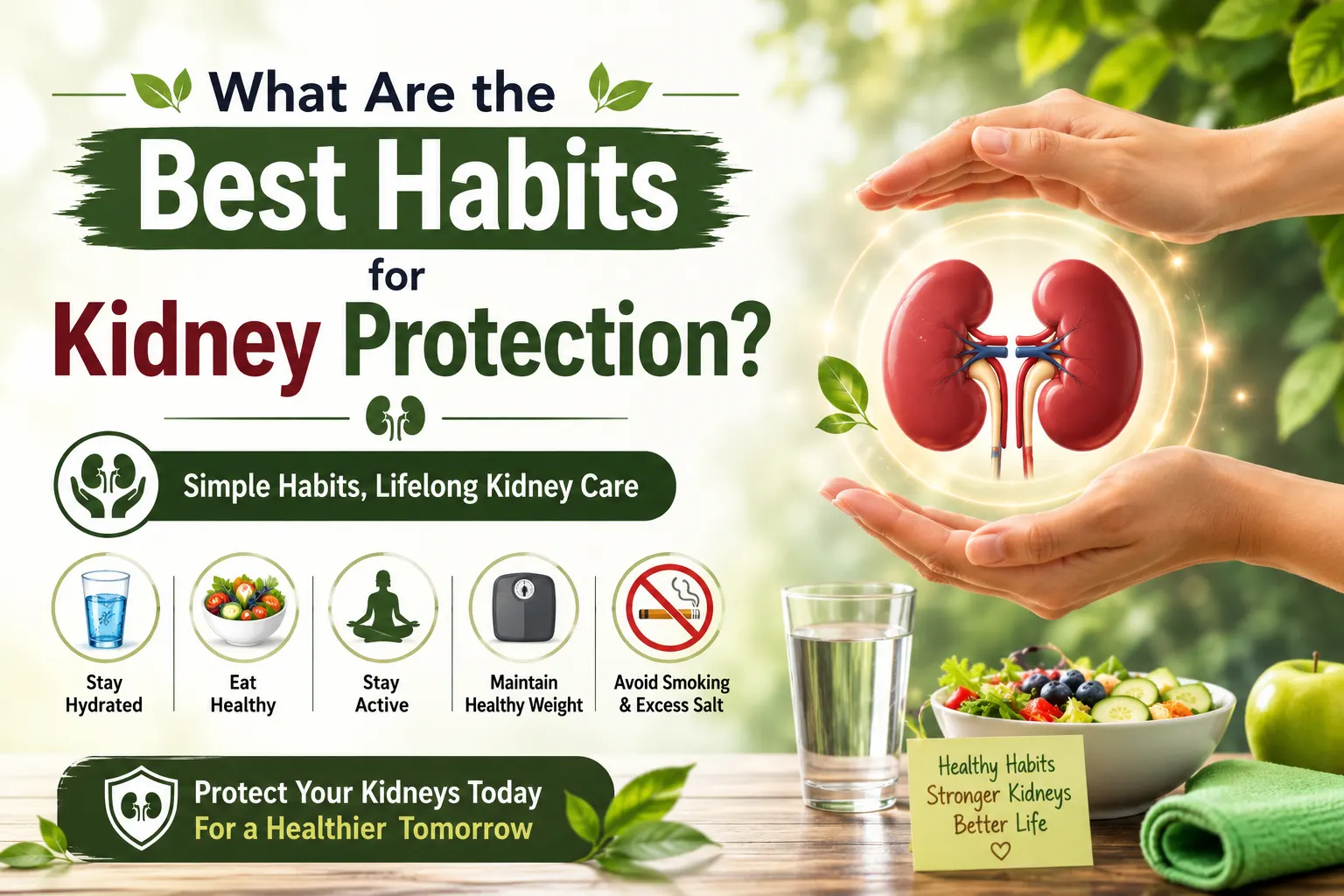

Okay, quick answer before I ramble: drink water consistently, cut down on salt and painkillers, keep your blood pressure and sugar under control, and get a blood test once a year even when you feel totally fine. That's the whole thing. But if you're here because you're actually looking for kidney disease help, or you just Googled this at 1 a.m. after eating an entire bag of chips, keep reading, because the "why" behind these habits is honestly more interesting than the list itself.
Here's what nobody tells you about kidneys: they're weirdly quiet about pain. Stub your toe, your whole body knows about it in half a second. Kidneys, though? They can lose a huge chunk of function; we're talking close to half; before you feel anything at all. No cramping, no warning bell, nothing. Just vibes. That's exactly why the boring daily habits matter more than any dramatic fix later.
📩 Ask a Kidney Expert (Free 10-Min Consultation)
Habit 1: Water, But Not in a "Chug a Gallon" Way
Everyone's told you to drink more water, and yeah, it's not just wellness-account noise this time. There's a Canadian study (Clark and colleagues, if you want to sound smart at dinner) that followed over two thousand people for six years, and the ones who peed more- sorry, produced more urine volume; had a noticeably slower drop in kidney function than the ones who barely drank anything.
But here's the twist that actually surprised me while researching this: more water isn't automatically "more protection." One study on people who already had kidney disease found a U-shaped pattern; both drinking too little AND drinking a ridiculous amount of plain water were tied to worse outcomes. So no, chugging three liters in one sitting because a TikTok told you to doesn't make you a hydration champion. Steady sipping through the day beats a dramatic water-guzzling session every time.
Habit 2: Salt Is Sneakier Than the Shaker on Your Table
Salt isn't just the reason your fingers look like sausages the morning after Chinese takeout. A trial called LowSALT CKD literally tested this; people who cut sodium saw real improvements in blood pressure and less strain on their kidneys, while high-salt diets quietly cranked up the pressure inside the filtering units of the kidney over time. And honestly, it's rarely the salt shaker's fault. It's the granola bar you thought was "healthy" and the pasta sauce from a jar.
Habit 3: Maybe Don't Treat Ibuprofen Like a Snack
If you pop a painkiller every time your head so much as thinks about hurting, this one's for you. A study in the American Journal of Medicine flagged that regular, heavy use of NSAIDs (ibuprofen, that family of drugs) is linked to faster kidney decline, especially for people already at risk. Using one occasionally for a bad headache? Fine. Using it like a daily vitamin? That's a conversation worth having with your kidney disease doctor, not something to just wing.
📞 Get a Kidney Health Consultation – Call Now!
Habit 4: Blood Pressure and Blood Sugar Are the Real Villains
Not to be dramatic, but diabetes and high blood pressure cause the overwhelming majority of kidney disease cases out there. Keeping both in check isn't the flashiest advice, but it's genuinely the biggest kidney-protection habit move you can make; bigger than any juice cleanse or supplement someone's trying to sell you.
A Quick, Slightly Unfair Comparison
|
Habit |
How Your Kidneys Probably Feel About It |
|
Sipping water steadily all day |
"Oh thank god, finally, some peace." |
|
Three energy drinks, zero water |
Filing a formal grievance |
|
Home-cooked meal, light on salt |
Standing ovation, genuinely |
|
Ibuprofen as a daily habit |
Side-eyeing you from across the room |
|
Yearly blood and urine test |
"Someone finally checked in on us" |
Small Stuff That Quietly Adds Up
-
Swap just one sugary drink a day for water; that's it, that's the whole ask
-
Actually flip the packet over and read the sodium content before it's already in your cart
-
Walk more; it genuinely helps improve kidney function over time, no fancy equipment required
-
Don't skip your yearly checkup just because nothing hurts; remember, kidneys don't complain until it's late
-
Actually ask your doctor questions instead of nodding along; good kidney care works both ways
When You Should Stop Reading Blogs and Talk to Someone?
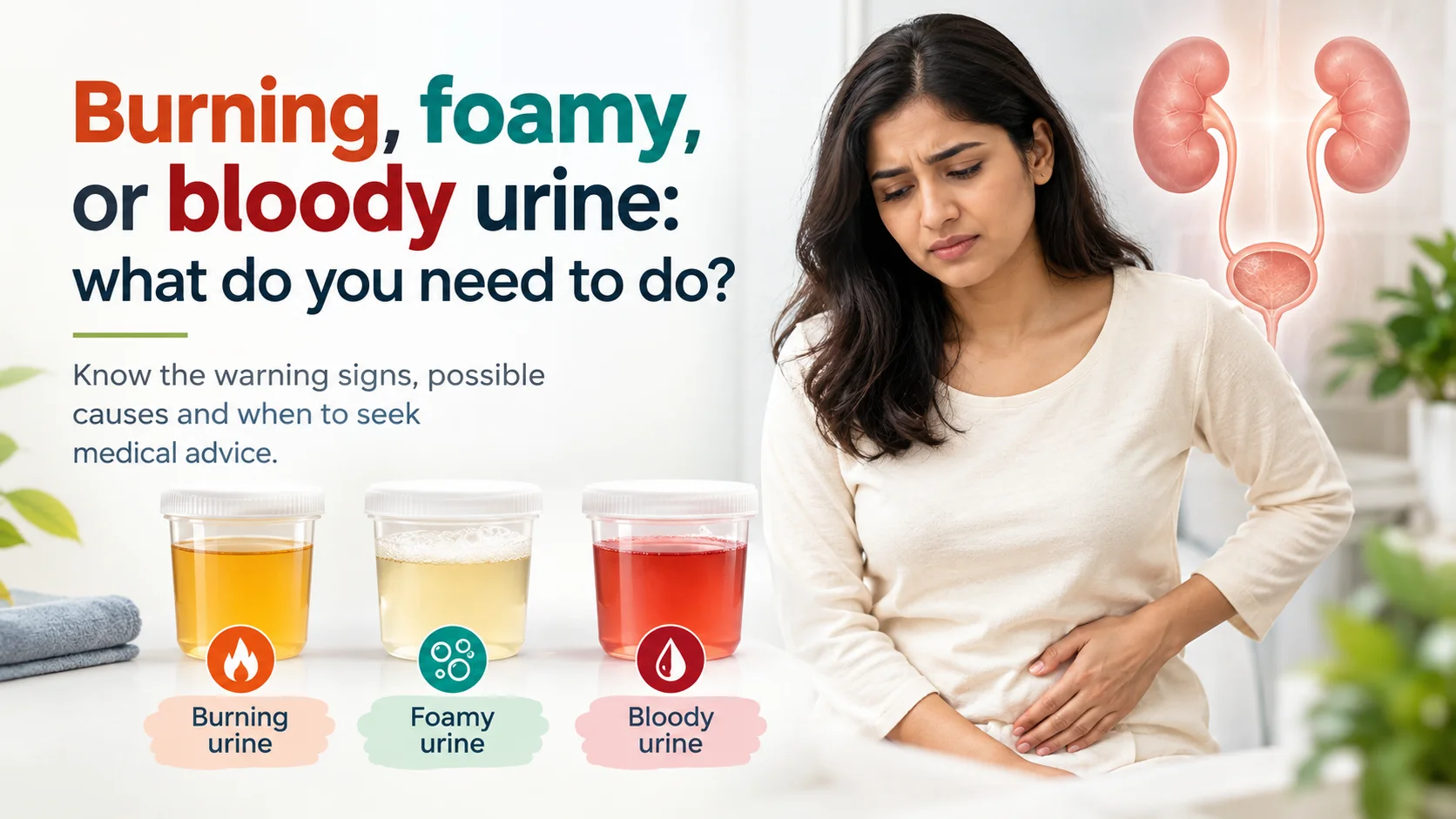
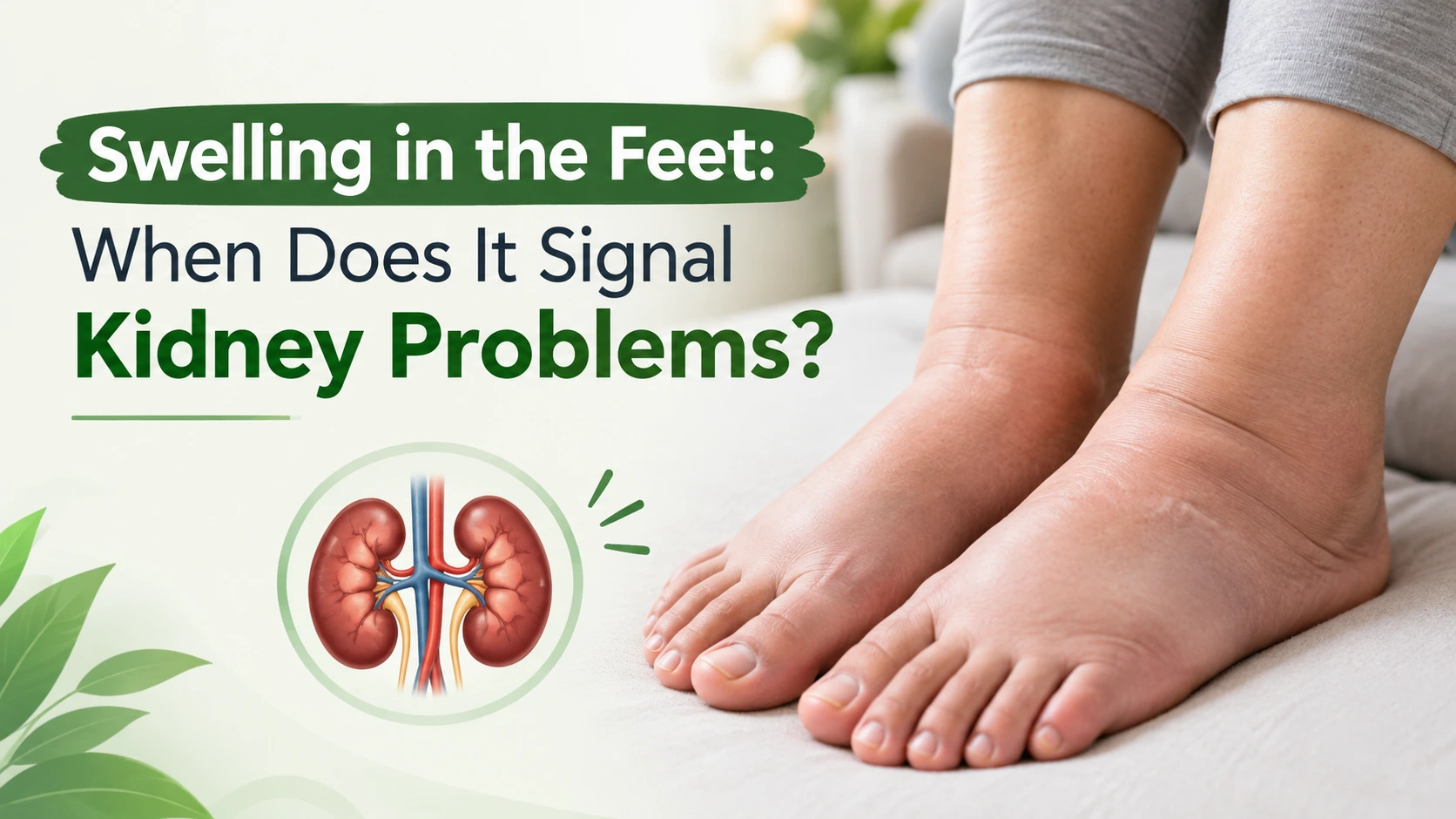
Swollen ankles, weird tiredness that sleep doesn't fix, foamy or bubbly urine, blood pressure that won't budge no matter what you try; these are your signs to stop self-diagnosing. This is the moment when real kidney disease help from an actual professional beats another late-night search. A quick blood test checking your renal function (things like creatinine and eGFR, if you want to sound informed at your next appointment) tells you more in fifteen minutes than a decade of guessing ever could.
Key Takeaways
-
Sip water consistently; don't save it all up for one dramatic gulp session
-
Watch out for hidden sodium in packaged and processed foods, not just the salt shaker
-
Go easy on daily painkiller use unless a doctor's told you it's fine
-
Blood pressure and blood sugar control matter more than any trendy supplement
-
Get annual blood and urine testing even if you feel perfectly healthy
-
Don't ignore swelling, fatigue, or unusual urine changes; get it checked
📩 Ask a Kidney Expert (Free 10-Min Consultation)
FAQs
Can kidney damage actually be reversed?
Early damage can often be slowed or somewhat improved, but once it's advanced, it's usually about managing it rather than undoing it.
How much water should I really be drinking?
Somewhere around 2 to 3 liters a day works for most healthy adults, depending on how active you are and the climate you're in.
Do protein shakes hurt your kidneys?
Not really if your kidneys are healthy and you're not overdoing it, but going overboard on protein without guidance isn't a great idea.
Why don't people notice kidney disease early on?
Because kidneys are stubbornly quiet; symptoms usually show up only once things are fairly far along, which is why testing matters more than waiting to "feel" something.
Are herbal supplements good for kidney health?
Some might help in a general sense, but plenty aren't kidney-safe at all, so it's worth checking with a doctor before adding anything new.
Disclaimer: This blog is meant for general awareness, not medical advice or diagnosis. Everyone's kidney health is different, and what works for one person might not suit another. Please talk to a qualified doctor or nephrologist before changing your diet, hydration routine, medications, or treatment plan.