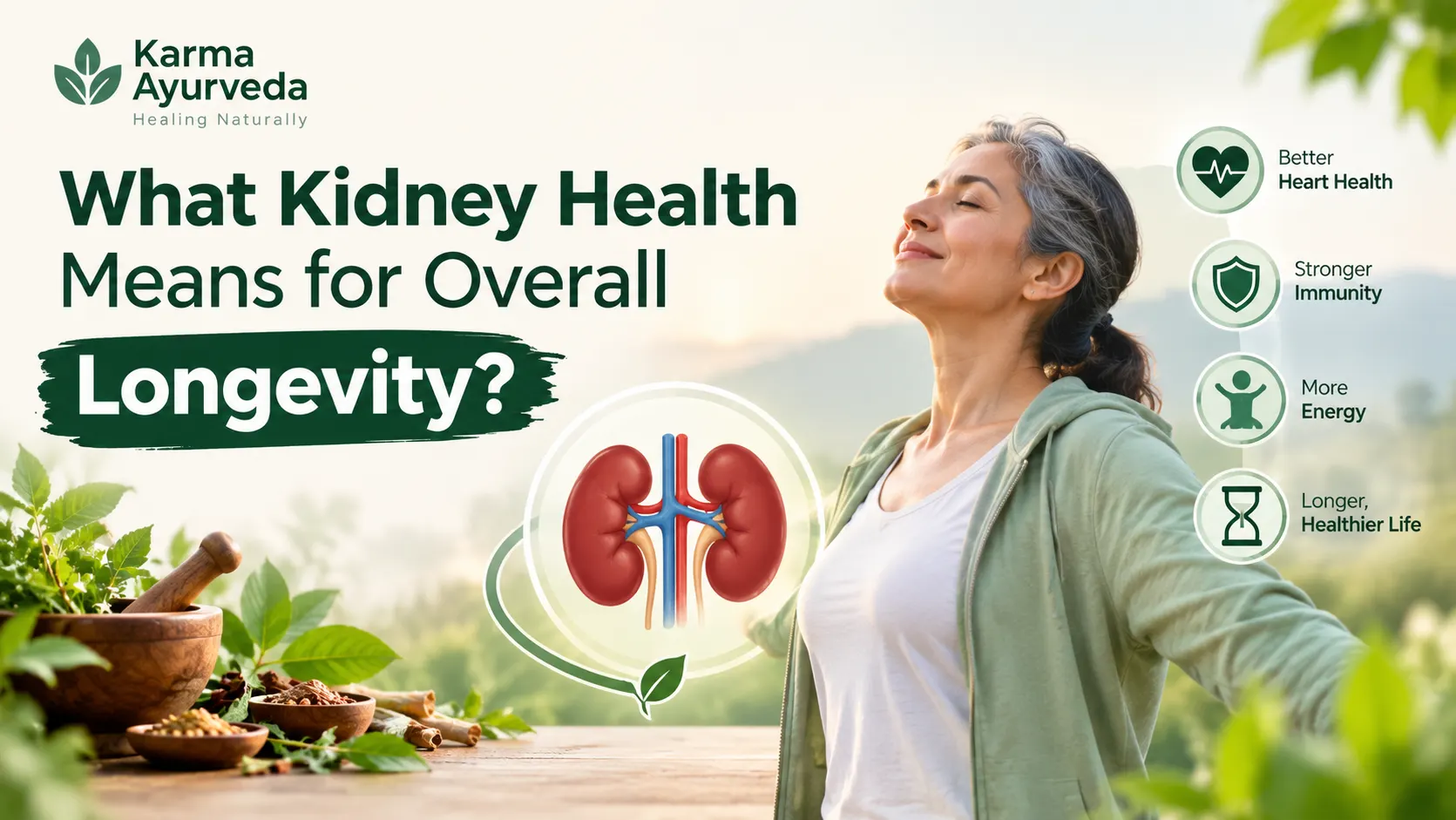

Here's the short answer: your kidneys quietly decide how long and how well you live, because they're the body's 24/7 filtration crew, and when they slow down, everything else- your heart, your bones, your energy levels; slows down with them. That's the whole case for taking kidney care seriously long before anything feels wrong. Stick around, because this one's more interesting (and less gross) than it sounds.
Most of us think about our kidneys approximately never. They're not glamorous. Nobody's posting a thirst-trap of their nephrons on Instagram. But these two fist-sized bean-shaped organs are pulling a night shift every single day of your life, filtering around 150 quarts of blood, kicking out waste, balancing your fluids, and keeping your blood pressure from throwing a tantrum. When they're doing their job, you don't notice. When they're not, you notice everything: fatigue, swelling, brain fog, the whole unwanted buffet.
Why Kidney Care Isn't Just a "Later" Problem?
Here's the plot twist: kidney trouble rarely announces itself with a dramatic entrance. It tends to sneak in through the back door: a little high blood pressure here, a little unmanaged blood sugar there; and by the time symptoms show up, a decent chunk of function may already be gone. That's exactly why kidney care shouldn't be something you get around to "eventually." Think of it like maintaining your car's engine instead of waiting for smoke to come out of the hood.
A large longitudinal study published in the International Journal of Epidemiology tracked kidney function trajectories in adults over decades and found that people whose filtration rate declined rapidly had a meaningfully higher risk of dying from any cause compared to those with a slow, steady decline; the kind that's basically expected with normal aging. Translation: it's not just having imperfect kidneys that hurts you; it's how fast they're sliding downhill.
The Kidney-Heart-Everything Connection
Your kidneys are shockingly nosy. They're involved in regulating blood pressure, red blood cell production, bone health, and even how your body handles certain medications. So when renal function takes a hit, it rarely stays a "kidney problem" for long.
A study published in the Journal of the American Heart Association, following older heart-attack survivors for a decade, found that even mild-to-moderate reductions in kidney function were tied to a stepwise increase in death risk; and this held even for patients who were otherwise getting excellent cardiac care. In plain English: you can do everything right for your heart, but if your kidneys are struggling in the background, they can still crash the party.
Similarly, a cohort study of over 61,000 elderly participants in Taipei found that people with rapid kidney decline had almost double the cancer mortality risk compared to those with stable kidney function. Nobody fully understands all the mechanisms yet, but the pattern keeps showing up study after study: weak kidneys, weaker odds, across almost every major disease category.
"But I Feel Fine"; The Kidneys' Favorite Trick
Kidneys are the strong, silent type. You can lose a significant amount of function before you feel a single symptom, which is why relying on "I feel okay" as your health metric is a bit like judging a book by whether the cover looks clean. A matched cohort study following over 38,000 adults found that people with reduced kidney function lost anywhere from 8 to nearly 18 years of life expectancy compared to peers with normal function; younger adults actually lost the most years, simply because they had more years ahead of them to lose.
This is where seeing a kidney disease doctor (a nephrologist, if we're being fancy about it) earlier rather than later actually pays off. Early monitoring can catch a downward slope before it becomes a cliff.
Everyday Kidney Support That Doesn't Require a Lab Coat
The good news: you don't need to overhaul your entire life to protect your kidney health. A few unglamorous, consistent habits do most of the heavy lifting:
-
Hydrate like you mean it; water helps kidneys flush out waste; sugary drinks just give them more to clean up
-
Keep blood pressure and blood sugar in check; these two are responsible for the majority of kidney damage worldwide
-
Go easy on the painkillers; regular high-dose NSAID use isn't kidney-friendly
-
Watch the sodium; your kidneys aren't fans of the instant noodles either
-
Move your body; regular activity supports blood pressure and blood sugar, which indirectly supports your kidneys
-
Get periodic blood and urine tests; especially if diabetes, hypertension, or kidney disease runs in the family
Small, boring, repeatable choices; that's basically the entire cheat code for kidney support.
If you're considering natural kidney treatment, it's worth remembering that "natural" doesn't automatically mean appropriate or safe for everyone. Some herbs and supplements may interact with medications or affect kidney function, so discuss them with your healthcare professional before adding them to your routine.
For anyone exploring the best Ayurvedic herbs for kidneys, it's especially important to consider your existing kidney function, medications, and other health conditions rather than choosing an herb based on a general recommendation.
A Quick (and Slightly Ridiculous) Comparison
|
Habit |
Kidney-Friendly Version |
Kidney's Actual Reaction |
|
Hydration |
Water, herbal tea |
"Finally, a break." |
|
Salt intake |
Herbs, spices, less sodium |
"You just saved my whole week." |
|
Painkillers |
Occasional, doctor-approved use |
"Please don't make this a personality trait." |
|
Check-ups |
Annual blood/urine tests |
"Catch me before I go rogue." |
|
Sitting all day |
Regular movement |
"My blood pressure says thank you." |
The Long Game
Long-term kidney wellness isn't about one dramatic detox smoothie or a miracle supplement; it's about compounding small decisions over years, the same way your retirement fund grows quietly in the background while you're busy living your life. The research is fairly consistent: people who protect kidney function early tend to protect their years later, across heart health, cancer outcomes, and general life expectancy.
So the next time you're debating a second soda or skipping your annual check-up, just remember: your kidneys have been working the night shift without complaint for years. Consistent kidney care is the least you can do to not actively sabotage them.
📩 Ask a Kidney Expert (Free 10-Min Consultation)
Key Takeaways
-
Kidneys quietly influence heart health, bone health, and overall lifespan; not just "kidney stuff"
-
Rapid kidney function decline is linked to higher all-cause mortality, even more so than slow, age-typical decline
-
You can lose noticeable kidney function before symptoms ever show up, so testing matters more than "feeling fine"
-
Basic habits; hydration, blood pressure control, lower sodium, regular movement; form the backbone of everyday kidney protection
-
Seeing a specialist early, rather than after symptoms appear, tends to lead to better long-term outcomes
-
Ayurvedic treatment for kidneys should be discussed with a qualified healthcare professional, particularly if you already have reduced kidney function or take prescription medicines
FAQs
Does kidney health really affect how long you live?
Yes; research consistently links declining kidney function to higher risk of death from heart disease, cancer, and other causes, not just kidney-related issues.
Can you have kidney problems without any symptoms?
Absolutely, and that's the sneaky part; significant kidney function can be lost before you notice fatigue, swelling, or other warning signs.
What's the easiest daily habit for protecting your kidneys?
Staying well-hydrated and keeping sodium intake in check does a surprising amount of the heavy lifting.
When should someone see a kidney specialist?
Ideally before symptoms show up, especially if you have diabetes, high blood pressure, or a family history of kidney disease.
Is kidney decline just a normal part of aging?
Some gradual decline is typical with age, but rapid decline is not "normal" and is linked to significantly worse health outcomes.
Disclaimer: This blog is for general informational purposes only and isn't a substitute for professional medical advice, diagnosis, or treatment. Kidney health varies from person to person, so please consult a qualified doctor or nephrologist before making any changes to your diet, medication, or lifestyle.