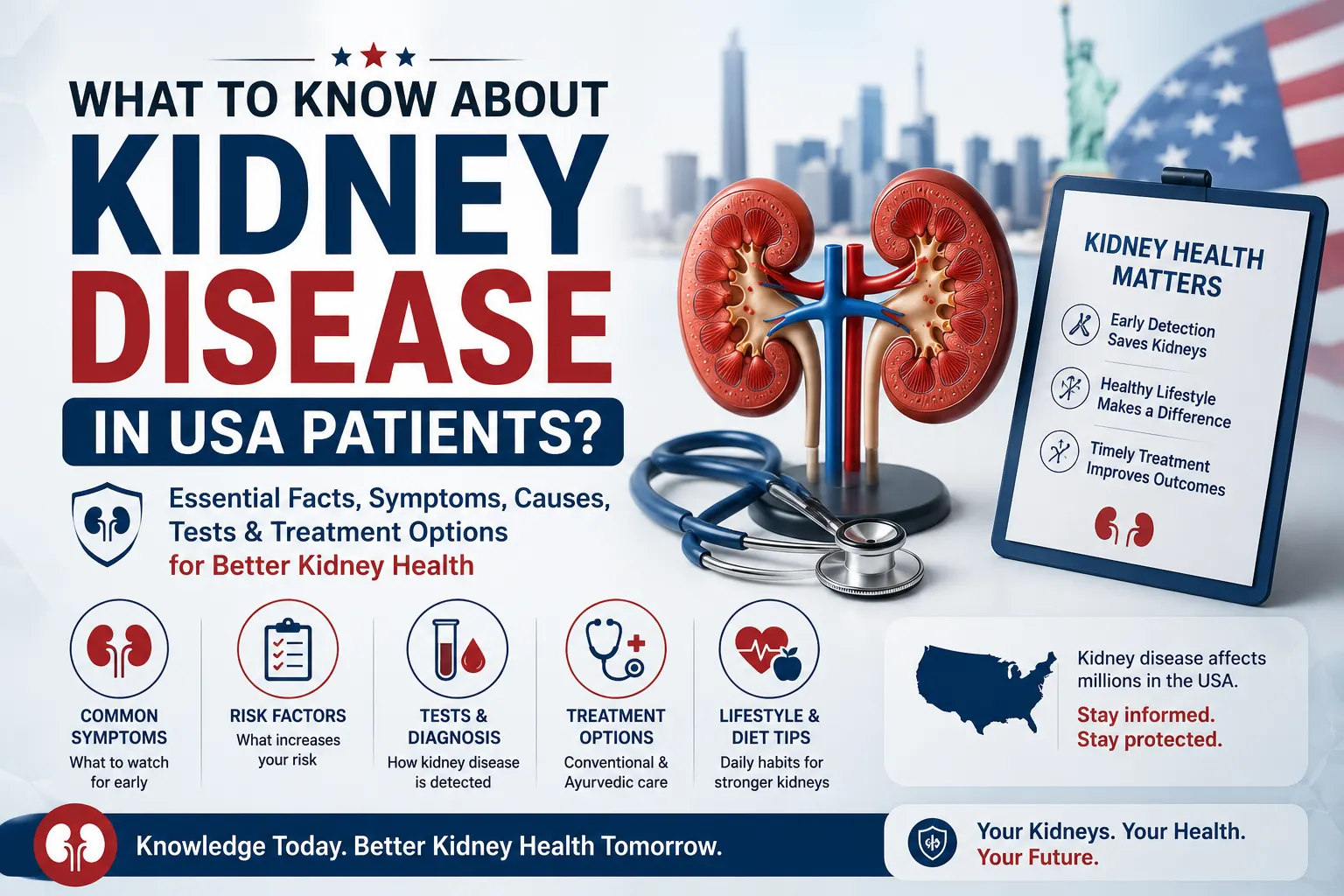

Okay, so here's the honest answer up front: kidney disease is way more common in this country than people realize, and most folks who have it don't even know yet. That's the whole reason kidney disease help matters so much; not because it's some rare, scary thing, but because it's quietly sitting in millions of people's bodies right now, unnoticed.
So, What Even Is Kidney Disease
Basically, your kidneys act like a filter for your blood. When that filter gets damaged, waste and extra fluid start piling up instead of getting flushed out. And once that starts happening, it drags a whole bunch of other stuff along with it: blood pressure issues, swelling, fatigue, and eventually heart problems too.
What usually causes it:
-
Diabetes, by far the biggest one
-
High blood pressure (diabetes's annoying sidekick)
-
A family history of kidney failure
-
Carrying extra weight
-
Just getting older, honestly; 60+ is when risk climbs
-
Old kidney damage or infections that never fully healed
Why This Actually Matters for USA Kidney Patients?
Here's a stat that stopped me mid-scroll: the CDC's 2023 report on chronic kidney disease puts the number at more than 1 in 7 US adults, somewhere around 35.5 million people. And get this: as many as 9 out of 10 of them have no clue. It's like being the main character in a story nobody told you you were in.
The data comes from NHANES, the big national health survey the CDC has run for years, and the trend line isn't flat either; prevalence has ticked up since the early 2000s, mostly because people are living longer and diabetes and hypertension rates keep climbing. So yeah, USA kidney patients are a bigger group than most people assume, and it's growing.
It's not just a "feel tired sometimes" situation either. Research from the Chronic Renal Insufficiency Cohort, which tracked close to 4,000 patients across several US medical centers, found that people with CKD end up in the hospital a lot more than people without it; and the worse the kidney function gets, the higher that risk climbs. So, catching this early isn't just being cautious for no reason. It genuinely changes outcomes.
Signs Worth Paying Attention To
-
Being tired in a way sleep doesn't fix
-
Swelling in the ankles, feet, or hands
-
Pee that looks foamy or bubbly (yep, going there)
-
Brain fog, trouble focusing
-
Cramping at night, especially in the legs
-
Peeing way more or way less than usual
If a few of these ring a bell, that's a "call your doctor" moment, not a "spiral on WebMD at 2 am" moment. A proper kidney disease doctor can run a couple of blood and urine tests and actually tell you what's going on, instead of you guessing.
Care Looks Different Depending on Where You Live
Kidney care isn't the same experience everywhere, and geography plays a bigger role than people expect. Here's a rough, slightly cheeky comparison:
|
Factor |
Kidney Treatment in New York |
Kidney Treatment in Texas |
|
Specialist access |
Lots of major hospitals and nephrology programs packed close together |
Strong in the big cities, more driving if you're rural |
|
Wait times |
Can drag a bit, demand is high |
Usually faster once you're outside the metro areas |
|
Dialysis centers |
Plenty, especially around NYC and Long Island |
Expanding quickly, Houston and Dallas leading the way |
|
General vibe |
"We'll get you in, bring some patience" |
"C'mon in, we've got time" |
Both states have real, solid nephrology networks, though. Wherever you live, that shouldn't be the reason you put off getting checked.
Small Habits That Genuinely Move the Needle
-
Keep blood pressure and blood sugar under control; the SPRINT trial actually showed tighter blood pressure targets cut cardiovascular risk meaningfully in people already at risk
-
Cut back on the sodium-loaded, ultra-processed stuff
-
Drink water, sure, but don't go overboard on random supplements without checking first
-
Don't casually pop ibuprofen every time something aches
-
Get yearly bloodwork if diabetes, high BP, or family history is part of your story
Getting the Right Kidney Disease Help
If any of this sounded a little too familiar, don't overthink the next step. Ask your regular doctor for kidney function bloodwork, and if numbers look off, get a referral to a nephrologist. That's it. Kidney disease help isn't some complicated, multi-step ordeal; it just needs someone to actually start the conversation.
Key Takeaways
-
Over 35 million US adults live with kidney disease, and most don't realize it
-
Diabetes and high blood pressure are the two biggest drivers
-
Fatigue, swelling, and weird changes in urination are worth checking out
-
A simple blood test can catch problems long before symptoms show up
-
Solid care exists nationwide, including strong options in New York and Texas
-
Small lifestyle changes actually make a real, measurable difference
FAQs
Is kidney disease reversible?
Early stages can often be slowed down or stabilized, but once damage is advanced, it usually isn't fully reversible.
What's usually the first sign something's off?
Fatigue and swelling around the ankles or feet tend to show up first for most people.
Can I just fix this with diet alone?
Diet helps a ton, but it works best alongside actual medical treatment, not instead of it.
How often should my kidneys get checked?
Once a year is a fair rule of thumb if diabetes, high blood pressure, or family history applies to you.
Do I need to see a specialist right away?
Not necessarily; most people start with their regular doctor first and get referred if needed.
Disclaimer: This blog is written for general awareness only and isn't medical advice. Kidney disease looks different for every person, so please talk to a licensed healthcare provider before making decisions about diagnosis, treatment, or lifestyle changes based on anything you read here.