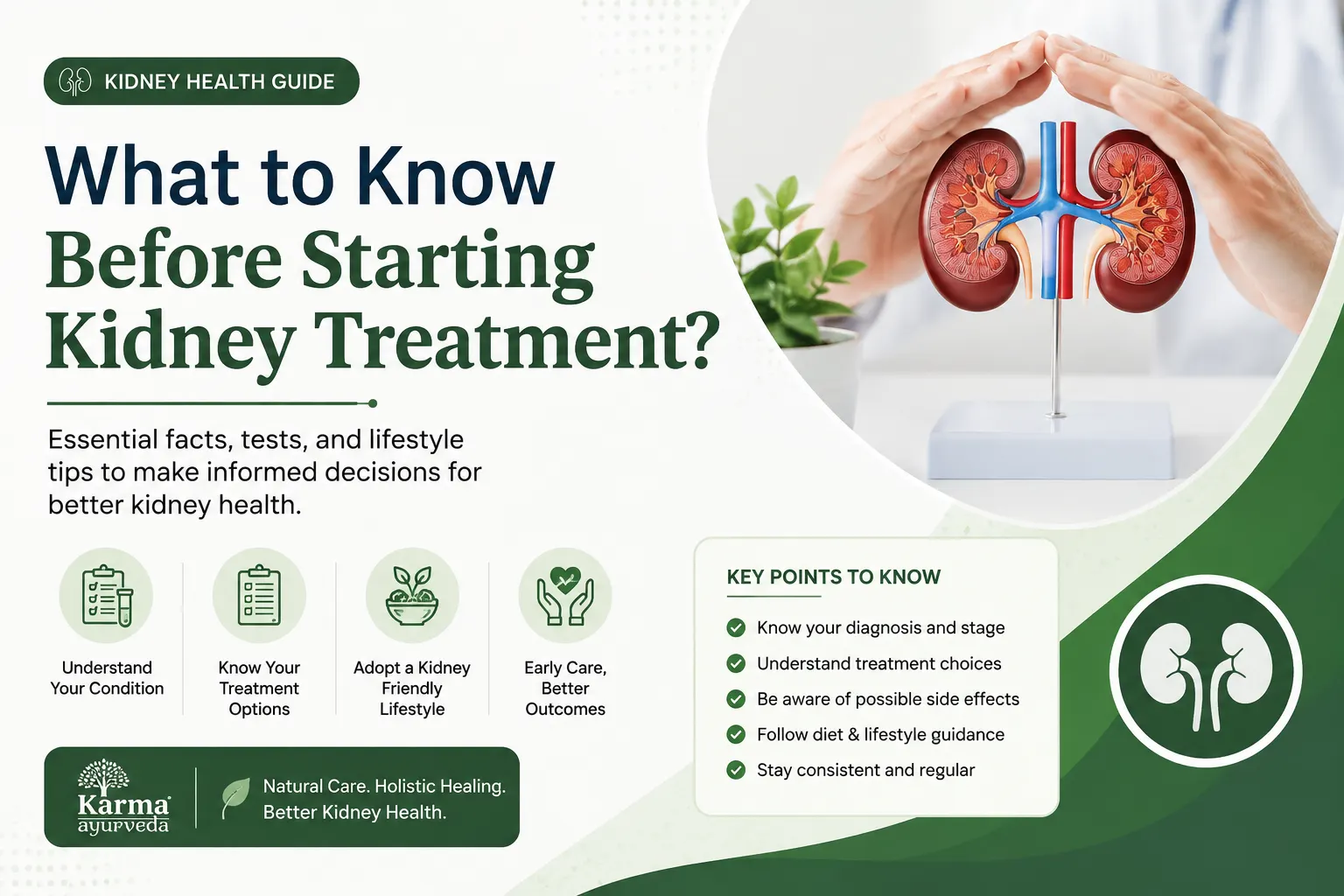

So, what should you actually know before starting kidney treatment? Here it is upfront: it's not a life sentence; it's a game plan, and the sooner you build one with your doctor, the more control you keep over your health (and your Sunday brunch plans).
Kidneys are the quiet overachievers of your body. They filter your blood, balance your fluids, and basically run damage control 24/7 without ever asking for a raise. So when something goes off with them, it's easy to panic and assume the worst. But here's the thing: a diagnosis is just the starting line, not the finish line. What you do next matters way more than the diagnosis itself.
First Things First: Who Do You Even Talk To?
This is usually where people get stuck. You Google your symptoms at 1 a.m., convince yourself you're dying, and then have no idea who to actually call. Start with your regular physician, who will likely refer you to a kidney disease doctor- someone who specializes in figuring out exactly what's happening and why, instead of guessing based on WebMD forums.
A few honest questions worth asking early on:
-
What stage is my kidney function at right now?
-
Is this reversible, manageable, or something I'll be tracking long-term?
-
What lifestyle changes actually move the needle, versus which ones are just internet noise?
-
Do I need medication immediately, or can we monitor first?
Not All Treatment Paths Look the Same
Here's something nobody tells you: treatment isn't one-size-fits-all. It depends on the stage, the cause, and honestly, your own body's mood that week. Broadly, here's how the options stack up:
|
Approach |
What It Involves |
Best For |
The Vibe |
|
Lifestyle + Monitoring |
Diet, hydration, regular check-ups |
Early-stage CKD |
"Let's keep an eye on you, champ" |
|
Medication-based CKD treatment |
Blood pressure meds, SGLT2 inhibitors, etc. |
Moderate progression |
"Time to bring in reinforcements" |
|
Dialysis |
Machine does the filtering job |
Advanced kidney failure |
"Kidneys, you're benched, we've got this" |
|
Transplant |
New kidney, new lease on filtering life |
End-stage kidney disease |
"A literal fresh start" |
The point isn't to scare you into stage four thinking; most people never get anywhere near that table's bottom row. It's just to show you that kidney treatment genuinely scales with what your body needs, not a generic checklist.
The Science Bit (Promise It's Interesting)
This isn't just optimistic guesswork; there's real research backing why early action matters. The DAPA-CKD trial found that dapagliflozin, a diabetes drug repurposed for kidney protection, meaningfully slowed the decline of kidney function and reduced the chances of needing dialysis down the line, even in people without diabetes. A similar SGLT2 inhibitor, canagliflozin, showed comparable protective effects in the CREDENCE trial, cutting down the risk of kidney disease progressing further. And on the blood pressure front, the well-known SPRINT trial showed that tighter blood pressure control helped protect renal function in people at risk, reinforcing why your doctor keeps nagging you about your numbers.
None of this means popping a pill fixes everything overnight. It means the medical world has actually gotten a lot better at slowing things down, and sometimes even stabilizing them, if caught early.
For those exploring natural kidney treatment, it's important to understand that "natural" doesn't automatically mean appropriate for every kidney condition. Herbs, supplements, and other alternative approaches can interact with medications or affect kidney function, so it's best to discuss them with your doctor before adding them to your treatment plan.
Building Your Actual Kidney Care Routine
Good kidney care isn't glamorous. It's boring, repetitive, and unbelievably effective:
-
Cut back on excess sodium (yes, that means side-eyeing your favorite snacks)
-
Stay hydrated, but don't overdo it either; balance is the whole game
-
Keep blood sugar and blood pressure in check
-
Don't self-medicate with random supplements without checking first
-
Show up to your follow-up appointments, even when you feel fine
When to See a Specialist?
If your numbers are trending the wrong way, or your regular doctor raises an eyebrow, it's time to see a kidney specialist, also called a nephrologist. They'll dig deeper, run more specific tests, and build a plan tailored to your exact situation instead of a generic pamphlet.
Some people also look into the best Ayurvedic herbs for kidneys as part of their overall approach. If you're considering Ayurvedic herbs or supplements, bring that conversation to your nephrologist or healthcare provider first so they can assess whether they're appropriate alongside your current treatment.
Key Takeaways
-
Early detection changes the entire trajectory of kidney health
-
Treatment ranges from simple lifestyle tweaks to more advanced medical intervention
-
Real clinical trials (DAPA-CKD, CREDENCE, SPRINT) back the benefits of early management
-
A nephrologist can personalize your plan far better than generic internet advice
-
Small daily habits often outperform dramatic short-term fixes
-
Any Ayurvedic treatment for kidneys should be discussed with your healthcare provider before being added to a medical treatment plan
FAQs
Is kidney disease always progressive?
Not always; many people stay stable for years with the right monitoring and habits.
Can diet alone manage early kidney disease?
For early stages, diet and lifestyle changes can genuinely slow things down quite a bit.
Do I need a specialist right away?
Not immediately; your primary doctor can guide early steps before a referral is needed.
Is dialysis the only option for advanced kidney disease?
No, transplant is also an option depending on eligibility and availability.
Can kidney damage be reversed?
Some early damage can improve, but advanced damage is usually managed rather than reversed.
Disclaimer: This blog is for general informational purposes only and isn't a substitute for professional medical advice, diagnosis, or treatment. Please consult a qualified doctor or nephrologist about your specific health situation before making any treatment decisions.