
Short answer: yes, you can absolutely keep eating vegetables with kidney issues; you just need to swap a few troublemakers (looking at you, spinach and potatoes) for calmer, low-potassium options. That's really it. That's the whole secret.
Now let me back up, because I know that answer alone isn't going to cut it if you're the kind of person who's been staring at a grocery store aisle wondering if broccoli is "allowed" or if it's about to send your potassium levels into orbit. I get it. When someone tells you to watch your kidney-friendly diet, it can feel like everything you used to eat without thinking is suddenly suspicious. Cabbage? Fine. Banana? Villain. It's a weird adjustment.
But here's the thing nobody tells you enough: you don't have to give up vegetables altogether. In fact, doing that might actually work against you. So, let's talk about which veggies deserve a spot on your plate, why potassium is the real troublemaker here (not vegetables as a whole), and a neat little cooking trick that lets you sneak in a potato every once in a while without guilt.
Okay, But Why Does Potassium Even Matter?
Healthy kidneys are basically bouncers; they filter out the extra potassium your body doesn't need and kick it out through urine. When kidney function drops, that bouncer starts letting too many people into the club, and potassium builds up in your blood. Too much of it (a condition doctors call hyperkalemia) can throw off your heart rhythm, which is obviously not a "fun surprise" kind of situation.
A 2024 review in the journal Plants dug into this exact issue and pointed out that low-potassium produce is becoming a bigger deal globally, though most of the momentum right now is happening in places like Japan, where it's already sold commercially. Everywhere else is still playing catch-up.
Here's the part that surprised me, though; cutting out vegetables entirely isn't the fix either. A study following children in Beijing found that low fruit and vegetable intake was actually tied to early signs of kidney stress, likely because plant foods help balance out the body's acid load. So going full "no veggies, ever" mode isn't protecting your kidneys, it's just making your meals sadder.
Moral of the story: it's not about avoiding vegetables. It's about picking the right ones.
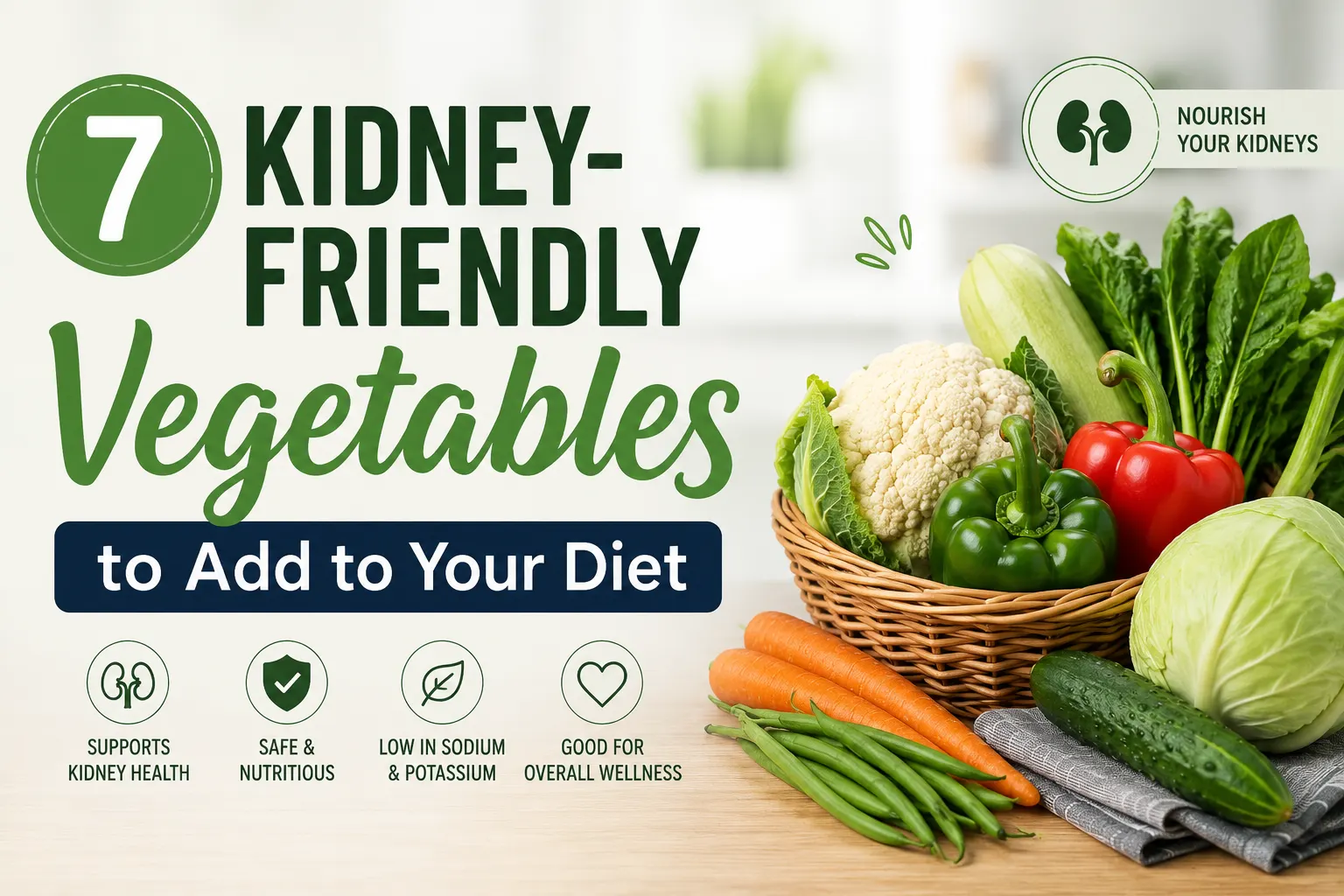
7 Vegetables That Won't Wreck Your Potassium Levels
1. Cabbage
Cheap, crunchy, and endlessly underrated. Cabbage is one of the most reliable low potassium vegetables out there, and it works in everything from stir-fries to slaws to that one soup your grandmother swears cures everything.
2. Cauliflower
This is the vegetable equivalent of an actor who'll play any role you give it: rice, mashed "potatoes," pizza crust, whatever you need. And on top of the versatility, it stays comfortably low in potassium.
3. Bell Peppers
Sweet, crunchy, ridiculously colorful, and somehow still low-potassium. Bell peppers are proof that a renal diet doesn't have to look like a plate of sad, beige food.
4. Cucumbers
Basically water wearing a vegetable costume. Cucumbers barely register on the potassium scale, which makes them an easy, no-thinking-required snack.
5. Radishes
Small, peppery, and honestly kind of a flavor bomb for something so tiny. Radishes don't get nearly enough credit, and they're an easy win if you're trying to keep potassium low.
6. Green Beans
Not flashy, not trendy, just quietly good for you. Steam them, roast them, throw them into whatever you're cooking; green beans are the dependable friend of the vegetable world.
7. Alfalfa Sprouts
Tiny, crunchy, and shockingly low in potassium. Toss a handful onto a sandwich or salad, and you've added texture and nutrients without adding much of anything your kidneys need to worry about.
📞 Get a Kidney Health Consultation – Call Now!
What About Potatoes? (The Leaching Trick)?
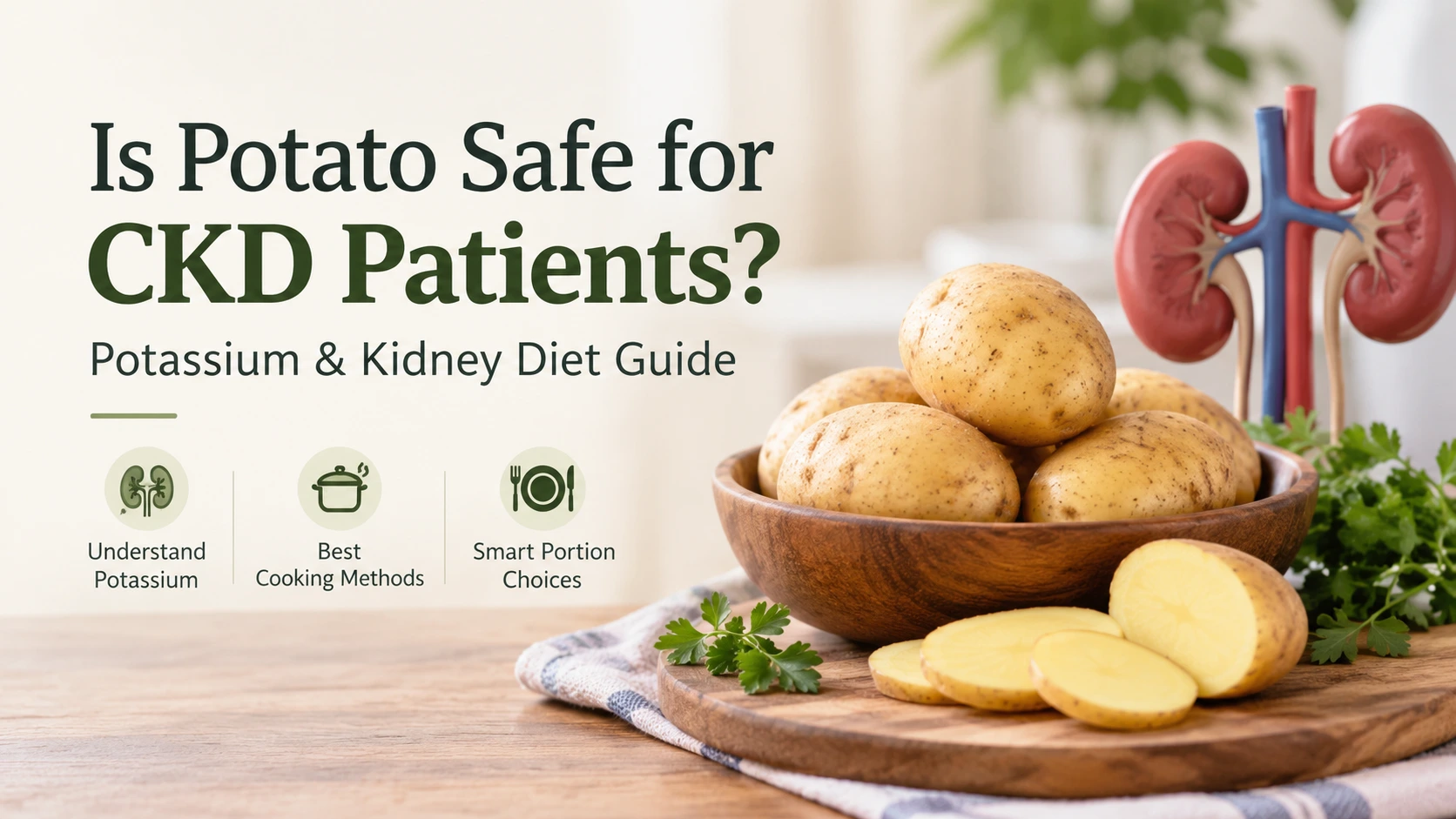
I know, I know; you didn't come here to be told potatoes are off-limits forever. Good news: there's a technique called leaching that can help. Peel the potato (or turnip, or taro), cut it into small pieces, boil it once, drain that water, then boil it again in fresh water. Research on this exact method found that a single boil still left most root vegetables above 200 mg of potassium per 100 grams, but double-boiling brought a noticeably larger share of them under that mark. It's not a total fix, but it buys you some flexibility.
One catch: steaming and microwaving don't do this trick. Potassium needs water to actually leach out, so boiling is non-negotiable here.
Quick and Slightly Ridiculous Comparison Table
|
Vegetable |
Potassium Level |
Basically... |
|
Cabbage |
Low |
The dependable coworker who never causes drama |
|
Cauliflower |
Low |
Will pretend to be literally anything you need |
|
Bell Peppers |
Low |
The one bringing color to an otherwise boring plate |
|
Cucumbers |
Very Low |
96% water, 4% personality |
|
Radishes |
Low |
Small but weirdly opinionated (in a good way) |
|
Green Beans |
Low |
Shows up, does the job, no complaints |
|
Alfalfa Sprouts |
Very Low |
The tiny overachiever nobody notices |
A Quick Reality Check on Portions
Here's where things get a little sneaky: a vegetable counts as "low potassium" at around 200 mg or less per half-cup serving. But eat three cups of it at once, and congratulations, you've somehow turned a safe food into a not-so-safe one. Portion size matters just as much as the vegetable you pick, which is annoying, but it's the truth.
Key Takeaways
-
Cabbage, cauliflower, bell peppers, cucumbers, radishes, green beans, and alfalfa sprouts are all solid low-potassium vegetables to build meals around.
-
Cutting out vegetables entirely can backfire; low intake has been linked to early kidney stress in research.
-
Double-boiling (leaching) can meaningfully lower potassium in root vegetables like potatoes.
-
Portion size matters as much as the food itself; even "safe" veggies can add up.
-
This is general guidance, not a personalized meal plan; your dietitian knows your labs better than any blog does.
📞 Get a Kidney Health Consultation – Call Now!
FAQs
Can I eat vegetables at all if I have kidney disease?
Yes, definitely; you just lean toward the lower-potassium ones and watch your portions.
What's the lowest-potassium vegetable out there?
Alfalfa sprouts and cucumbers tend to top that list, so they're easy go-tos.
Does boiling actually reduce potassium in vegetables?
It does, especially with a double-boil, which pulls out noticeably more potassium than boiling just once.
Are canned or frozen vegetables okay on a renal diet?
Usually yes, especially if you rinse canned ones well or pick no-salt-added versions.
How many vegetable servings are safe on a kidney diet?
That honestly depends on your specific kidney function and labs, so it's worth asking your dietitian for a number tailored to you.
Disclaimer
This article is meant for general information only and isn't medical advice. Everyone's kidney condition is different, so please talk to your doctor or a renal dietitian before making any real changes to your diet, especially around potassium or phosphorus intake.