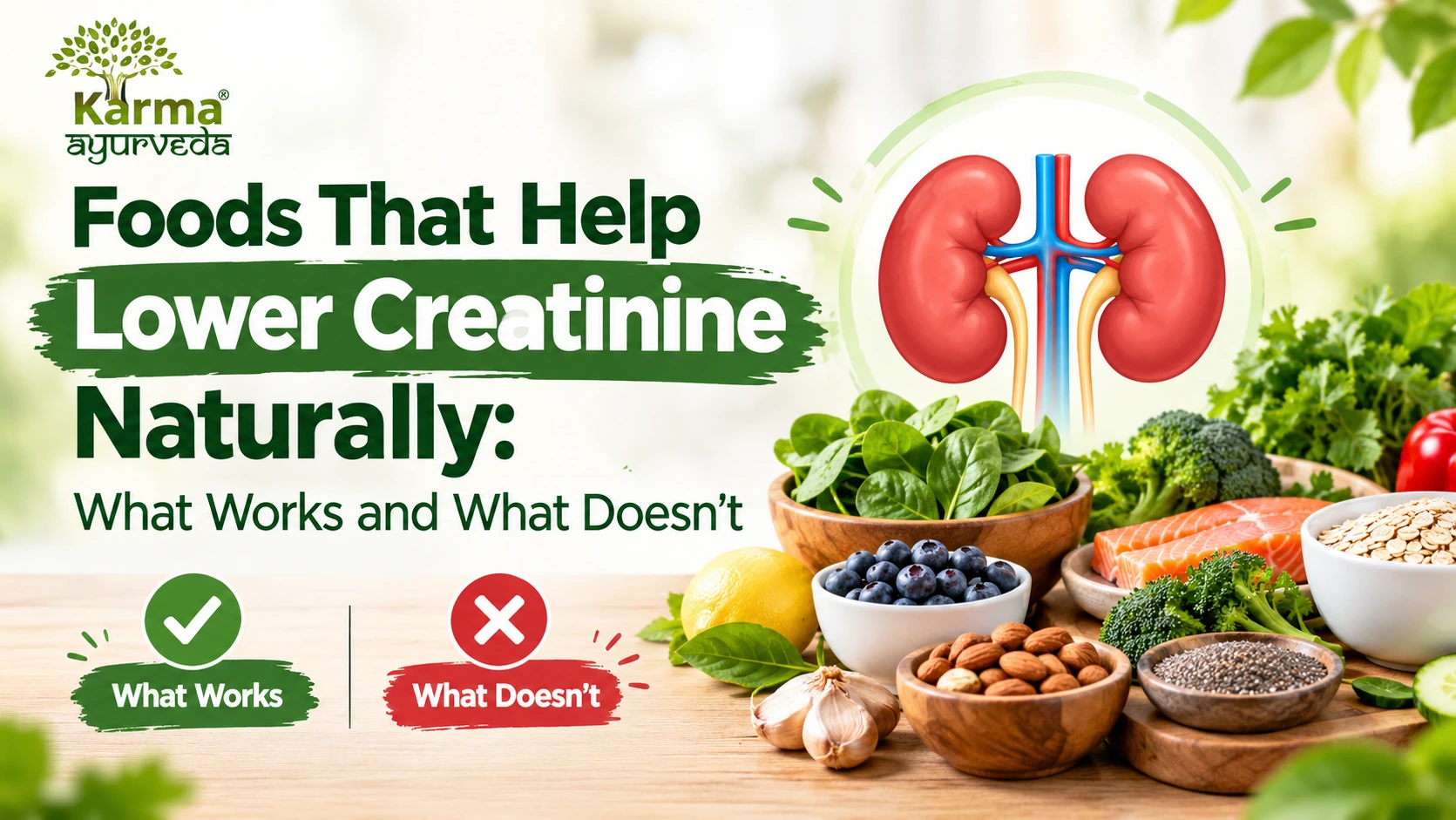

What Actually Works (and What's Just Marketing)
Can you actually support your kidneys the natural way? Yeah, you can; mostly by drinking enough water, eating less salt, and not treating ibuprofen like candy. Natural kidney healing isn't some overnight reset though, and honestly, if anyone tells you it is, that's your cue to close the tab.
I've been reading a stack of studies on this lately (yes, for fun, I need a hobby), and here's the thing; your kidneys are these two bean-shaped organs quietly filtering your entire blood supply, roughly 150 quarts of it a day, and they never once complain. No thank-you card, no shoutout. So maybe we owe them a little effort.
Why This Is Suddenly a Big Deal?
Kidney trouble is sneaky. It doesn't show up with a big dramatic symptom, it just kind of... creeps. A bit more tired than usual. Some puffiness around the ankles you blame on your shoes. Then one day a doctor says "your creatinine's a little high" and you're sitting there Googling what creatinine even is while pretending you already knew.
That's part of why USA kidney care has been leaning harder into prevention lately instead of just damage control. Makes sense; nobody wants their first real conversation with their kidneys to happen in an ER waiting room.
Okay, But What Does "Natural" Even Mean Here
I want to be upfront: natural kidney healing doesn't mean ditching your doctor for a green smoothie and calling it a day. It means backing up whatever your doctor's already doing with habits that actually have some research behind them, not just a nice font on a supplement bottle.
A few things that hold up reasonably well when you actually dig into the studies:
-
Drink water. I know, groundbreaking. But there's a well-cited 1996 trial by Borghi and colleagues, published in the Journal of Urology, that followed kidney stone patients for five years. The group that upped their water intake enough to produce at least 2 liters of urine a day saw their stone recurrence drop from 27% to around 12%. That's not a wellness blog claim, that's a five-year randomized trial.
-
Go easy on sodium and the ultra-processed stuff. Your kidneys handle fluid balance, and a diet of takeout and chips basically hands them overtime work.
-
Move your body regularly. It's less about the kidneys directly and more about blood pressure, which behaves like the kidneys' overprotective older sibling.
-
Herbal support, used carefully and not as a replacement for anything a doctor prescribed.
Where Ayurveda Actually Fits In
This part surprised me a bit. Ayurvedic treatment has leaned on herbs like Punarnava, Gokshura, and Varun for centuries for urinary and kidney support, and modern research is finally poking around to see if there's substance behind the tradition. A 2025 review in Frontiers in Pharmacology looking at Ayush-based kidney care mentioned that Tribulus terrestris, which is Gokshura, seems to carry diuretic and anti-inflammatory properties that may help kidney function, and turmeric's curcumin has shown up in a few studies tied to lower creatinine and urea levels.
Notice the "may help" and "shown up in a few studies" phrasing there. Not "cures," not "reverses." That difference matters a lot more than most people give it credit for.
Small Diet Changes, Not a Total Personality Overhaul
Nobody's asking you to become a green-juice person overnight. A few small swaps can genuinely support kidney wellness without turning your kitchen into a science lab:
-
Trade table salt for herbs, garlic, or citrus zest
-
Reach for water before soda, even the diet stuff
-
Work in cranberries, berries, and leafy greens
-
Keep an eye on protein portions if you've already got kidney concerns
-
Don't pop NSAIDs like breath mints unless your doctor's fine with it
A Slightly Sassy Comparison Table, Because Why Not
|
Approach |
What It Actually Does |
The Honest Verdict |
|
Chugging 5 liters of water at once |
Turns your evening into a bathroom relay race |
Hydration isn't a sport, pace yourself |
|
Herbal teas like Punarnava or Gokshura |
Might offer some gentle natural kidney support |
Promising, not a cure-all |
|
Trendy detox juice cleanses |
Mostly detoxes your bank account |
Your kidneys already detox you for free |
|
Regular checkups plus boring lifestyle habits |
Actually prevents long-term damage |
Unexciting but it wins every single time |
Key Takeaways
-
Water, lower sodium, and regular movement are still the real backbone of kidney support
-
Herbal support like Gokshura and Punarnava has some genuine research behind it, but it's not a doctor replacement
-
Detox teas and juice cleanses are mostly hype dressed up as health
-
Talk to a doctor before adding herbs, especially if you're already on medication
-
Preventing problems beats fixing them, every time
FAQs
Does natural kidney healing actually reverse kidney damage?
Not really; it can support the kidneys and ease some of the strain, but actual damage still needs a doctor's evaluation and treatment.
Are Ayurvedic herbs safe for everyone?
Not automatically, since something like Gokshura can interact with blood pressure or diabetes meds, so check with a doctor first.
How much water should I be drinking for kidney health?
Enough that your urine stays pale yellow, which for most adults lands around 2 to 2.5 liters a day, give or take.
Can diet alone keep kidney stones away?
Diet helps quite a bit, especially cutting sodium and animal protein, but hydration still has the strongest evidence behind it.
Is turmeric actually good for kidney health?
Early research suggests curcumin might support healthy kidney markers, but it works best as a helpful habit, not a cure on its own.
Disclaimer: This article is for general informational purposes only and isn't medical advice. It doesn't diagnose, treat, or cure any kidney condition. Please talk to a licensed healthcare provider before starting any herbal, dietary, or lifestyle changes, especially if you already have a kidney or other medical condition.