
The early signs of kidney damage from poor diet are usually small and easy to shrug off; puffy eyes in the morning, foamy urine, night-time bathroom trips, itchy skin, and a tiredness that no amount of sleep fixes. They don't arrive with drama, which is exactly why most people ignore them for years.
And that's the frustrating part. Your bean-shaped filters are the most uncomplaining organs you own. They will quietly process your third samosa, your fourth cup of chai with two sugars, and that "just one more" packet of chips, and they will say absolutely nothing about it. Until one day they do.
So, let's talk about what those early whispers actually look like; in plain language, no medical jargon, no scare tactics.
First, why does food matter this much?
Think of your renal system as a water purifier that never gets a service appointment. Every day it filters roughly 180 litres of blood and decides what stays and what leaves. Feed it clean inputs, and it hums along for decades. Feed it salt, sugar, ultra-processed everything, and hidden phosphate additives, and the filter starts clogging.
Research backs this up. The landmark DASH trial, published in the New England Journal of Medicine in 1997, showed that a diet rich in fruits, vegetables, and low-fat dairy lowered blood pressure meaningfully; and high blood pressure remains one of the top two causes of renal failure worldwide. The INTERSALT study (BMJ, 1988), which looked at over 10,000 people across 32 countries, drew a clear line between sodium intake and rising blood pressure.
Translation: the salt shaker has opinions about your organs.
The 8 Early Signs Worth Paying Attention To
1. Your face looks "puffed up" in the morning
Not the good kind of glow. Swollen eyelids, a slightly bloated face, fingers that make your ring feel tight; this is fluid your filters didn't clear overnight. Excess sodium is usually the culprit, and it's often coming from packaged food rather than your kitchen.
2. Foamy urine that won't flush away
If your toilet looks like someone made a cappuccino in it, that's worth noting. Persistent foam can mean protein is leaking through, which is one of the earliest measurable changes in renal health. A quick urine albumin test settles the question in a day.
3. You're suddenly a regular at the 3 AM bathroom
Waking up two or three times a night to pee; when you never used to; can point to filters losing their ability to concentrate urine. Yes, sometimes it's just the water bottle you emptied at 11 PM. But if it's a new, consistent pattern, mention it to a doctor.
4. Tiredness that sleep doesn't touch
Healthy filters produce erythropoietin, the hormone that tells your body to make red blood cells. When they slow down, so does that signal, and you end up running on low oxygen delivery. This is the "I slept nine hours and still feel like a deflated balloon" kind of fatigue.
5. Itchy, dry skin you keep scratching
When waste products and excess phosphorus build up in the blood, skin gets dry and stubbornly itchy. Interestingly, the Framingham Offspring Study analysis published in the Journal of the American Society of Nephrology (2007) found that higher serum phosphate levels were linked with an increased risk of developing chronic kidney disease; and phosphate additives are hiding in colas, processed cheese, and most packaged snacks.
6. Blood pressure creeping upward for "no reason"
This one is sneaky because it's a two-way street. Damaged filters raise blood pressure, and high blood pressure damages filters further. If your readings have quietly climbed over a year, your diet is usually somewhere in the story.
7. Metallic taste, low appetite, occasional nausea
Waste building up in the bloodstream can change how food tastes. People often describe it as a coppery or metallic aftertaste, and meat is usually the first thing they stop enjoying.
8. Muscle cramps, especially at night
Calf cramps that jolt you awake can reflect imbalances in calcium, phosphorus, and electrolytes. Occasional cramps are normal. A nightly routine of them is not.
One honest caveat: every single symptom above has ten boring explanations that have nothing to do with your filters. Dehydration, poor sleep, too much coffee, a bad mattress. The point isn't panic; it's paying attention when three or four show up together and stick around.
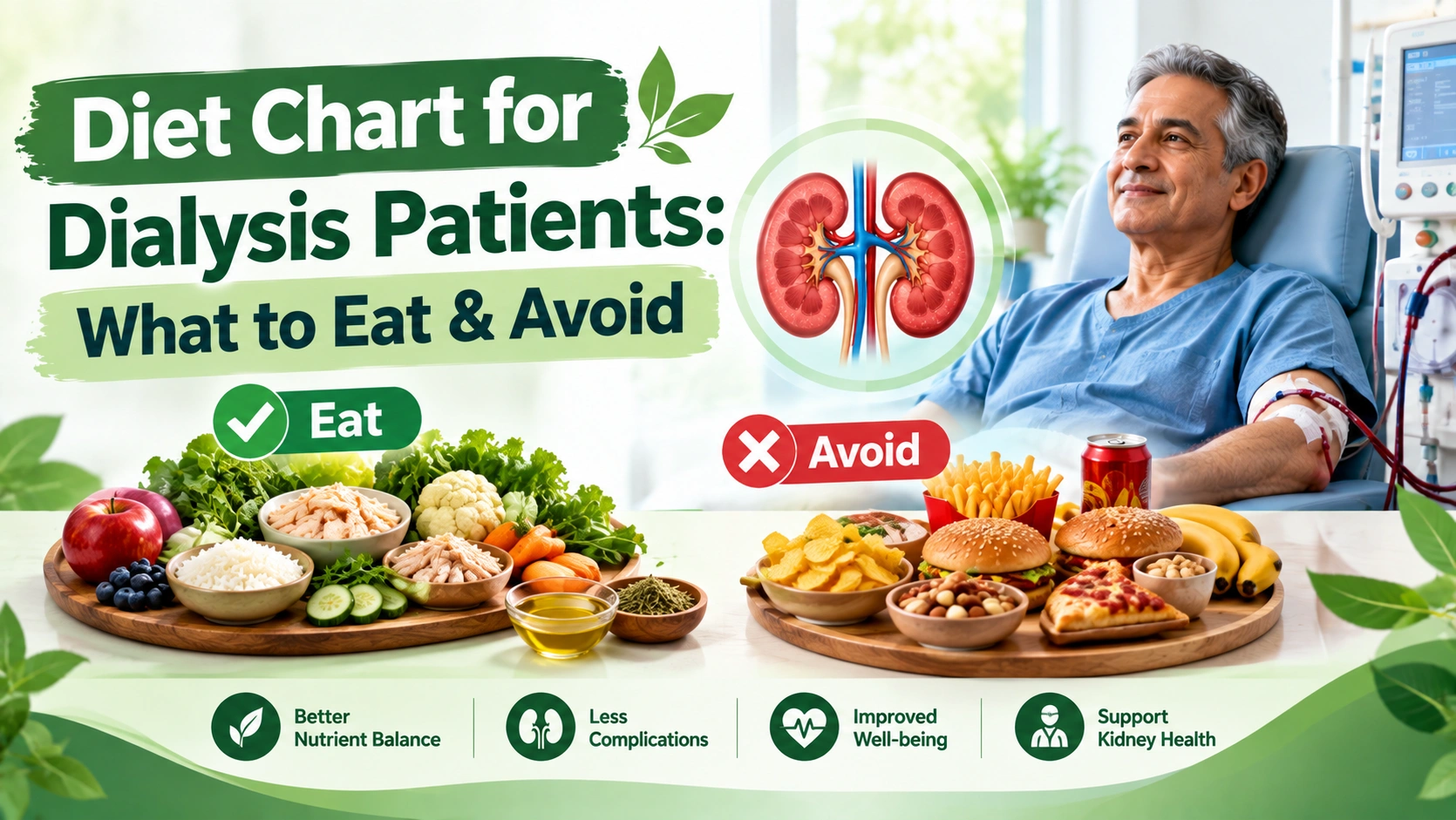
Foods That Help vs. Foods That Don't
Here's the short version. The best foods for kidneys tend to be boring in the best possible way, while the worst foods for kidney patients are, predictably, everything that tastes like a party.
|
Your filters' best friends |
Your filters' frenemies |
Why the drama |
|
Apples, berries, papaya |
Colas and packaged juices |
Sugary drinks were linked to albuminuria in the Nurses' Health Study (CJASN, 2011) |
|
Cabbage, bottle gourd, capsicum |
Pickles, papad, packet soups |
Sodium bombs disguised as "just a little side dish" |
|
Egg whites, small portions of dal |
Processed meats, sausages |
The Singapore Chinese Health Study (JASN, 2017) linked high red-meat intake with higher end-stage renal risk |
|
Olive oil, small servings of nuts |
Deep-fried everything |
Your arteries and your filters share a group chat |
|
Plain water |
"Health" drinks with phosphate additives |
The additives absorb far more efficiently than natural phosphorus |
A sensible kidney-friendly diet plan isn't about eating sadness. It's about portion sizes, lower sodium, and knowing which packaged items are quietly loaded with additives. If you're already diagnosed with reduced function, salt, potassium, phosphorus, and protein targets should be set by a nephrologist or renal dietitian; not by a blog, mine included.
On protein specifically: the MDRD Study (NEJM, 1994) is the most-cited trial on protein restriction in renal disease. Its findings were mixed rather than dramatic, which is a useful reminder that no single dietary switch is a magic lever.
Where Ayurveda Fits Into the Picture
Plenty of people in India explore Ayurvedic kidney treatment alongside conventional care, usually looking for something gentler for the long haul. It's worth understanding what the evidence actually supports.
Among the best herbs for kidneys in Ayurveda, a few come up repeatedly:
- Punarnava (Boerhavia diffusa); traditionally used for fluid retention. Most supporting data so far is from animal and laboratory studies, not large human trials.
- Gokshura (Tribulus terrestris); long used for urinary health, with limited but interesting preliminary research.
- Varun (Crataeva nurvala); historically used for urinary tract concerns.
- Turmeric (curcumin); a small randomised trial by Khajehdehi and colleagues (Scandinavian Journal of Urology and Nephrology, 2011) reported reduced proteinuria in diabetic nephropathy patients. Promising, but small and in need of replication.
Practitioners such as Dr. Puneet Dhawan work within this traditional framework, and clinics offering Karma Ayurveda for kidney disease treatment typically combine herbal formulations with dietary and lifestyle guidance. If you're considering kidney disease Ayurvedic treatment, two ground rules matter enormously:
- 1. Tell your nephrologist. Some herbs interact with prescribed medication, and some are high in potassium; which is a genuine risk in reduced renal function.
- 2. Treat any natural treatment for kidney disease as supportive care, not a replacement for monitoring, medication, or dialysis when those are needed. Anyone promising a guaranteed cure deserves your skepticism, whatever system of medicine they practice.
Key Takeaways
- Early damage is quiet; puffiness, foamy urine, fatigue, itching, and night cramps are the usual opening act.
- One symptom means little. Several together, lasting weeks, means get tested.
- Two simple tests; serum creatinine (for eGFR) and urine albumin; catch most problems early.
- Sodium, sugary drinks, and phosphate additives in packaged food are the biggest everyday offenders.
- Blood pressure and blood sugar control protect your filters more than any superfood ever will.
- Ayurvedic herbs may support overall wellbeing, but should always be discussed with your treating doctor.
Conclusion
Your filtration system is remarkably forgiving. It can lose a surprising amount of capacity before it starts complaining loudly, which is both a blessing and a trap. The blessing is that early changes are often manageable. The trap is that "I feel fine" is not the same as "I am fine."
So if two or three of those eight signs sounded uncomfortably familiar, don't spiral; just book the blood test. It costs less than a decent dinner and takes about ten minutes. Future you will be quietly grateful.
📩 Ask a Kidney Expert (Free 10-Min Consultation)
FAQs
Can poor diet alone cause renal damage?
Rarely on its own; but it fuels the diabetes and high blood pressure that cause most cases.
How do I check if my filters are healthy?
A serum creatinine test with eGFR plus a urine albumin test covers the basics.
Is foamy urine always a problem?
No; fast flow and toilet cleaner can cause it too, but persistent foam deserves a test.
How much water should I drink daily?
For most healthy adults, 2–3 litres; but anyone with reduced function should follow their doctor's limit.
Can Ayurvedic herbs reverse chronic damage?
There's no reliable evidence for reversal; treat herbs as supportive care alongside medical treatment.
Disclaimer
This article is for general information only and is not medical advice, diagnosis, or treatment. Individual health needs vary widely. Please consult a qualified nephrologist or physician before changing your diet, starting any herbal supplement, or altering prescribed medication; particularly if you already have reduced renal function, diabetes, or high blood pressure. Do not delay professional care based on anything you read here.