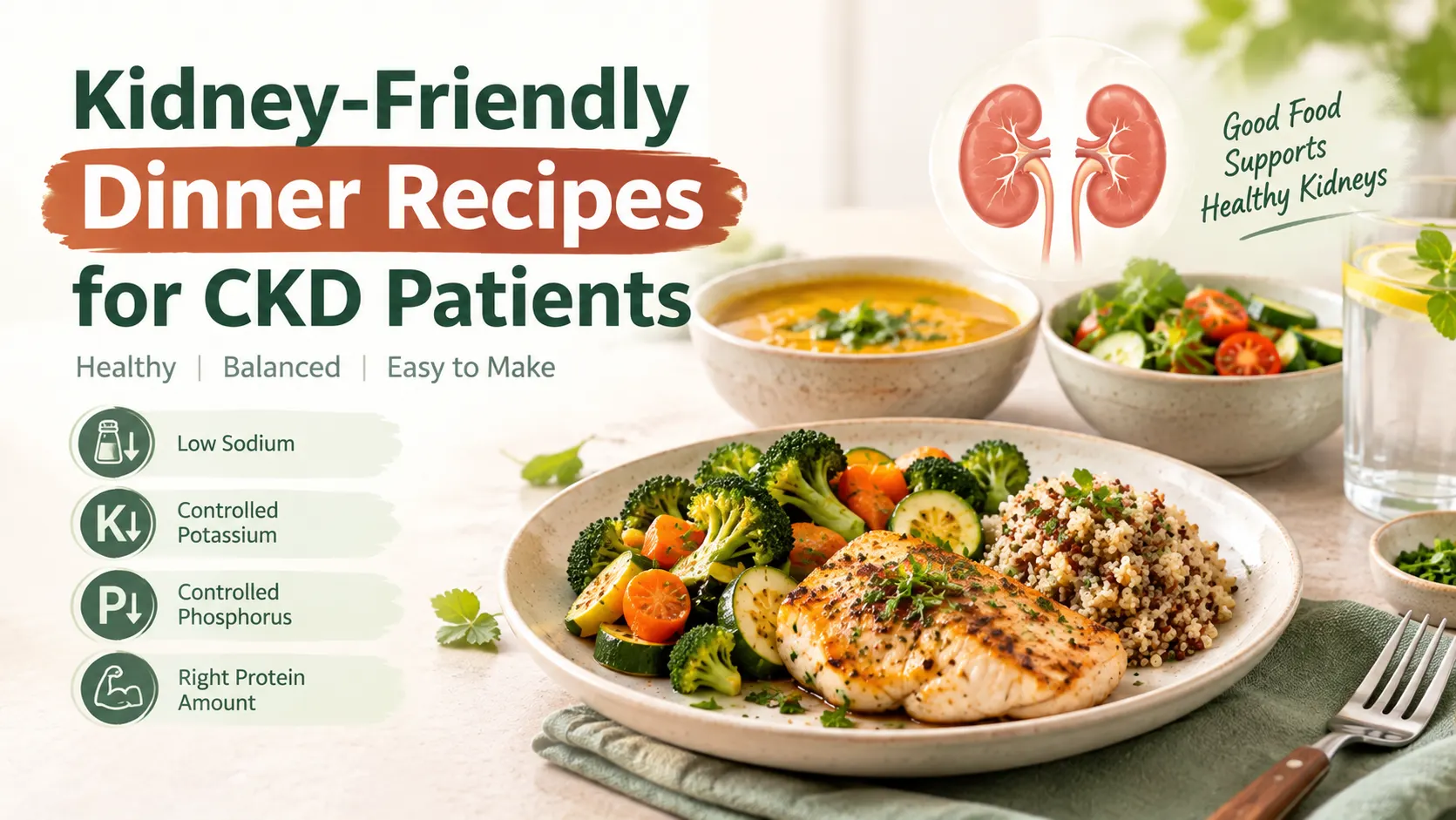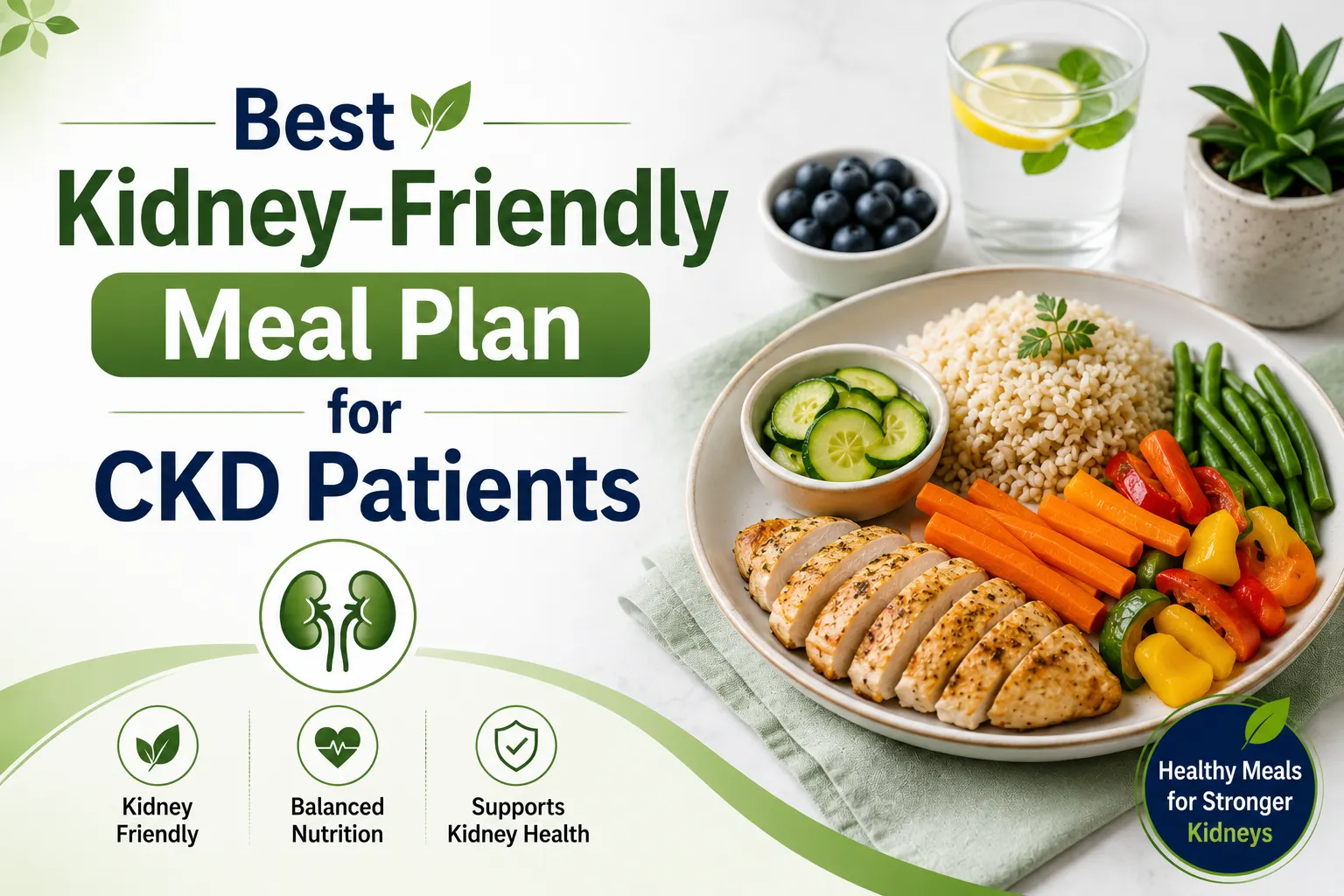

The best kidney-friendly meal plan for CKD patients is one that goes easy on sodium, potassium, phosphorus, and protein, while still leaving room for actual joy on your plate. Yes, you read that right. A CKD diet doesn't have to taste like cardboard with a side of sadness.
If you or someone you love just got a chronic kidney disease diagnosis, you probably Googled this at 1 AM in a mild panic. Same. So, let's talk it through like two people at a kitchen table, not like a textbook.
Why Diet Matters So Much in CKD
Your kidneys are basically your body's bouncers; they decide what stays and what gets thrown out. When they're not working at full capacity, certain things (sodium, potassium, phosphorus) start hanging around longer than they should, and that's when trouble starts: swelling, high blood pressure, bone issues, even heart strain.
This is exactly why a renal diet isn't some fad; it's backed by real research. The landmark MDRD (Modification of Diet in Renal Disease) study, one of the largest clinical trials on this topic, found that reducing protein intake was linked to a slower decline in kidney function for many participants, even though the original results were debated for years afterward. A later 2018 systematic review published in PLOS ONE, which pooled data from 19 trials and over 2,400 patients, found that a low-protein diet reduced the risk of kidney failure and end-stage renal disease. So no, your dietitian isn't just making this up to ruin your Sunday brunch.
What Actually Goes on the Plate?
Here's the not-so-secret formula for a solid kidney disease diet plan:
-
Go low on sodium; that means less packaged food, less pickle jar diving, and yes, less of that extra pinch of salt "for taste."
-
Watch your potassium; bananas, oranges, and potatoes are lovely, but in CKD they need portion control, not a permanent ban.
-
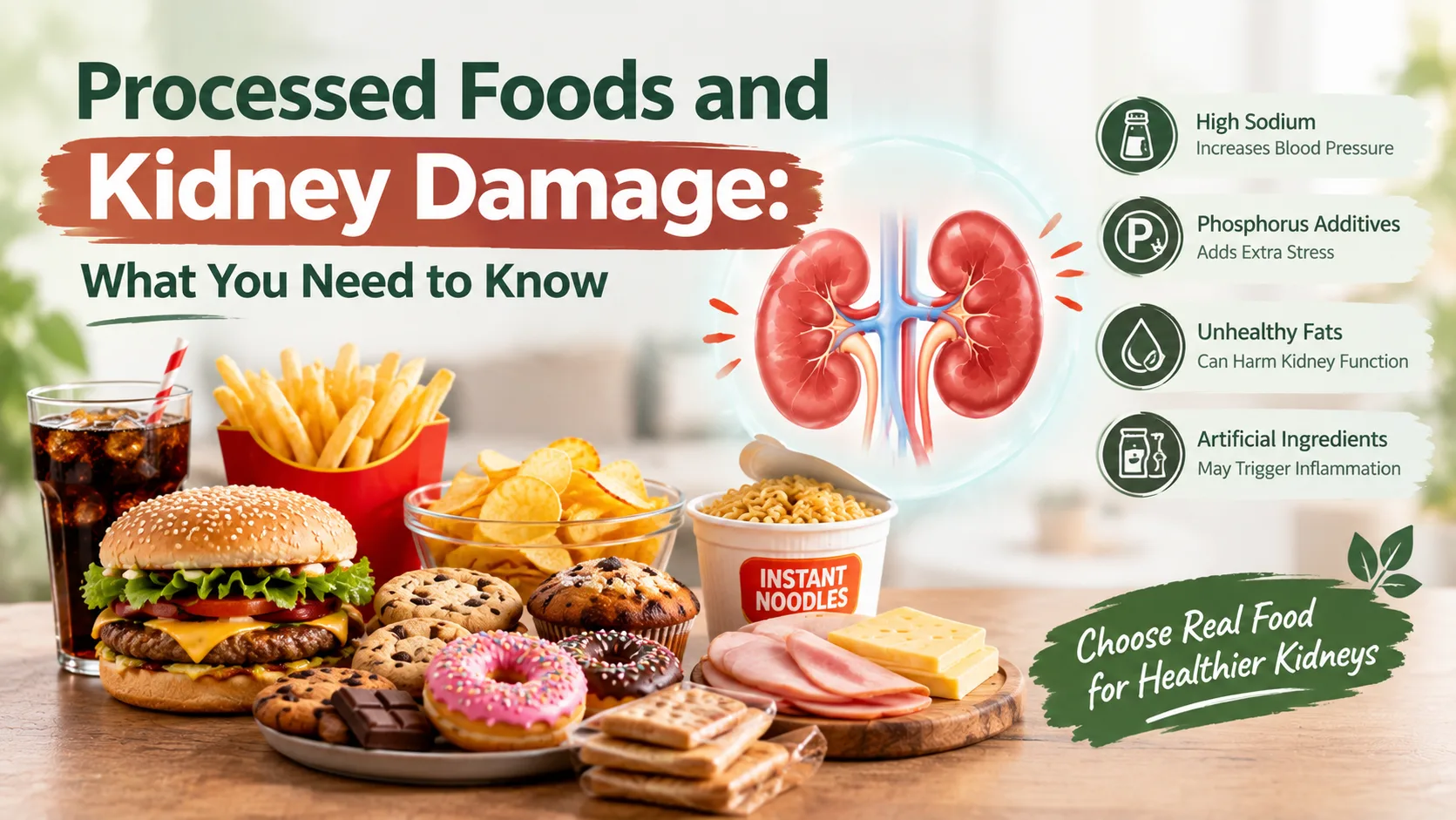
Mind your phosphorus; this one hides in processed foods, colas, and some dairy, so labels become your new best friend.
-
Right-size your protein; not zero, just "right-sized" based on your kidney stage, as guided by your nephrologist or renal dietitian.
-
Stay hydrated wisely; fluid needs vary hugely by stage, so this is a "check with your doctor" zone, not a guess-and-hope zone.
The National Kidney Foundation's KDOQI guidelines echo this exact approach: individualized, stage-based nutrition rather than one rigid rulebook for everyone.
A Quick (and Slightly Funny) Comparison Table
|
Food Category |
Kidney-Friendly Pick |
The One That's Plotting Against You |
|
Fruits |
Apples, berries, grapes |
Bananas, oranges (potassium overachievers) |
|
Snacks |
Homemade popcorn, rice cakes |
Chips and pretzels (sodium's favorite home) |
|
Drinks |
Water, cranberry juice (in moderation) |
Dark colas (phosphorus in disguise) |
|
Protein |
Egg whites, skinless chicken (portioned) |
Deli meats and bacon (sodium bomb squad) |
|
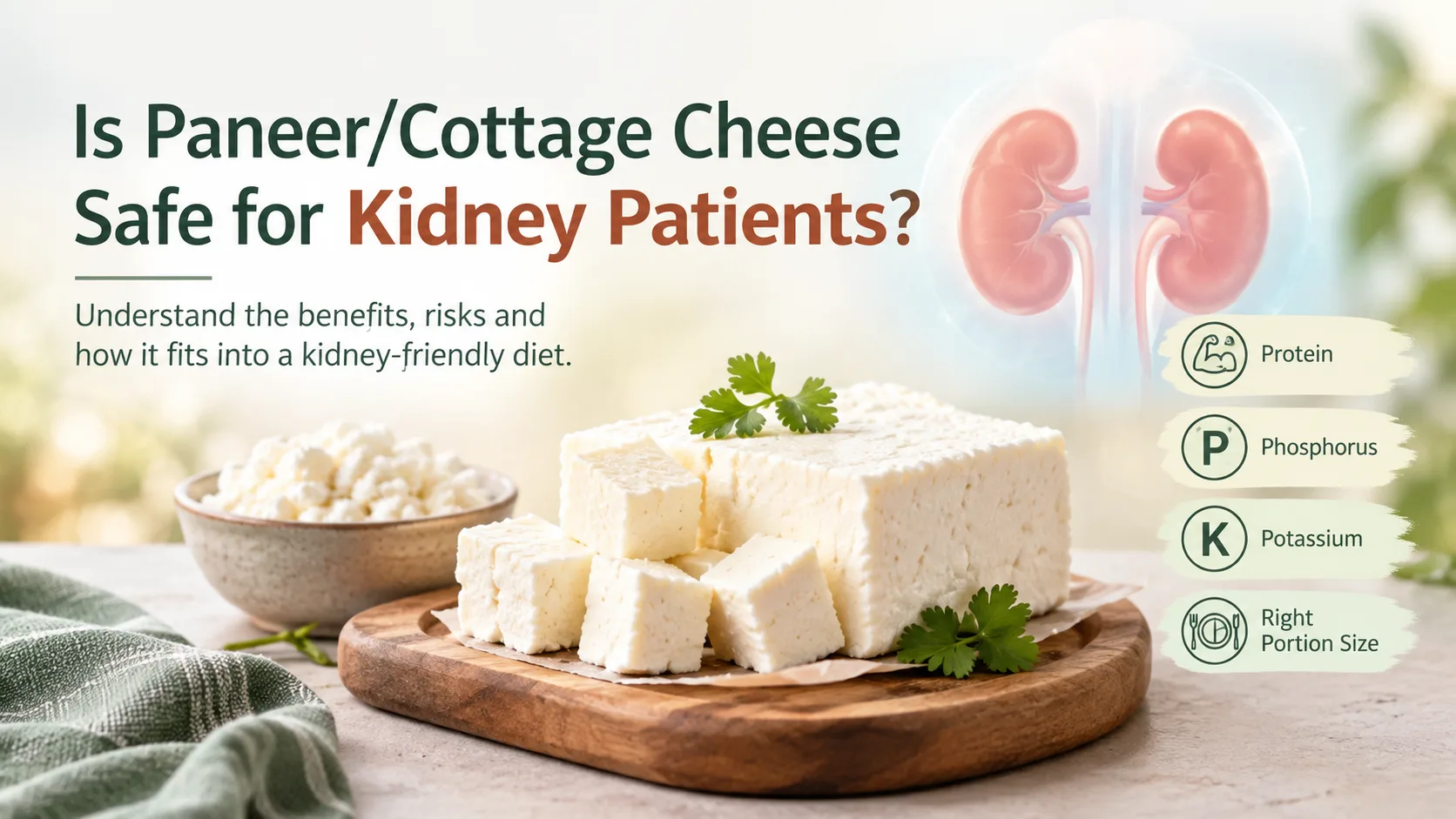
Dairy |
Almond milk (unfortified, small amounts) |
Cheese slices in bulk |
Sample Day, Kept Simple
-
Breakfast: Scrambled egg whites, a slice of low-sodium toast, and a small apple
-
Lunch: Grilled chicken breast, steamed green beans, white rice
-
Snack: A handful of grapes or unsalted rice cakes
-
Dinner: Baked fish, cauliflower mash, a small side salad with olive oil dressing
This isn't a one-size-fits-all script; your CKD stage, lab numbers, and any other conditions (like diabetes or heart disease) will shape the exact quantities. That's where a renal dietitian genuinely earns their paycheck.
Why "DIY Diet Plans" From the Internet Can Backfire
Every kidney is different, and CKD comes in stages (1 through 5), each with different protein, potassium, and phosphorus tolerances. A meal plan perfect for someone in Stage 2 could be way too restrictive or not restrictive enough for someone in Stage 4. Research published in the Clinical Journal of the American Society of Nephrology has repeatedly emphasized that individualized nutrition therapy improves outcomes far more than generic "kidney diets" copied off a random blog (present company excluded, we're just here to point you in the right direction).
Key Takeaways
-
A good kidney-friendly meal plan focuses on limiting sodium, potassium, phosphorus, and adjusting protein; not starving yourself of flavor.
-
The MDRD study and later meta-analyses support protein moderation as beneficial for many CKD patients, though the exact approach depends on your stage.
-
Bananas and oranges aren't "bad"; they just need portion awareness.
-
Processed and packaged foods are usually the real sodium and phosphorus culprits.
-
Always personalize your plan with a nephrologist or renal dietitian; CKD diets are not one-size-fits-all.
FAQs
Q1. What foods should CKD patients avoid completely?
Honestly, very few foods are a hard "never"; it's mostly about portion size and frequency, especially with high-sodium and high-phosphorus processed foods.
Q2. Can CKD patients eat bananas?
Yes, in small, controlled portions, unless your doctor has specifically told you to limit potassium strictly.
Q3. Is a low-protein diet good for all CKD stages?
Not exactly; protein needs shift depending on your CKD stage, so it should always be personalized rather than copied from a generic chart.
Q4. How much water should someone with CKD drink daily?
There's no single number here; fluid needs depend heavily on your kidney function and other health conditions, so this one's a doctor-conversation topic.
Q5. Does a kidney-friendly diet taste bad?
Not if it's done right; herbs, spices, and smart swaps can make renal-friendly meals genuinely tasty, not punishing.
Disclaimer
This blog is for general informational purposes only and isn't a substitute for professional medical advice. CKD nutrition needs vary widely by stage and individual health status; always consult a nephrologist or registered renal dietitian before making dietary changes.