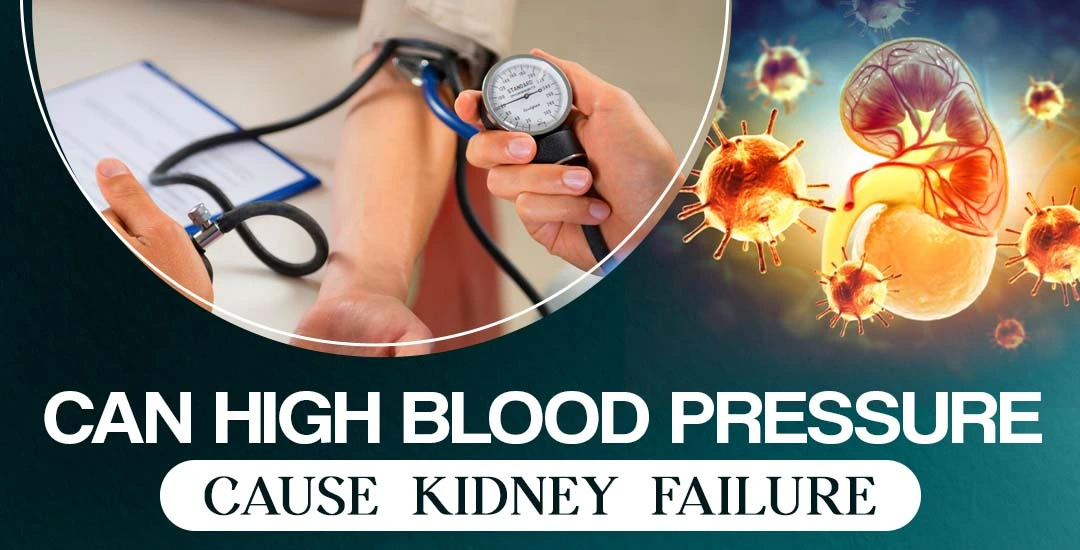

Does High Blood Pressure Affect Your Kidneys?
Short answer: Yes, high blood pressure can damage your kidneys and, over time, even lead to kidney failure.
Long answer: Sit back, because your kidneys have a story to tell, and it’s more dramatic than a daily soap opera.
Function of Kidneys
Your kidneys are like two quiet employees who never complain. They work 24/7, filtering waste, extra water, and toxins from your blood. They also help control blood pressure, keep your bones healthy, and balance important minerals. Not bad for organs that are roughly the size of your fist.
Now imagine sending extremely high-pressure water through a delicate filter all day, every day. How long do you think that filter will last? Exactly. That’s what high blood pressure (hypertension) does to your kidneys.
What is High Blood Pressure?
Blood pressure is the force of blood pushing against the walls of your blood vessels. A little pressure is normal. Too much pressure, for too long, is where trouble begins. When blood pressure stays high:
-
Blood vessels become stiff and narrow
-
Blood flow becomes rough and forceful
-
Organs that depend on gentle circulation, like kidneys, start to suffer
High BP is often called a “silent killer” because it doesn’t shout. No sirens, no warnings. You can feel perfectly fine while damage is quietly happening inside.
How is Kidney Function Related to Blood Pressure?
Inside your kidneys are millions of tiny filters called nephrons. Think of them as microscopic strainers that clean your blood. High blood pressure:
-
Puts extra force on these tiny filters
-
Damages the small blood vessels
-
Reduces blood flow to kidney tissue
-
Makes kidneys less efficient over time
At first, the kidneys struggle but manage. Later, they start missing waste. Then, protein leaks into urine. Eventually, the kidneys may stop working properly.
This process doesn’t happen overnight. It’s more like water dripping on a rock; slow, boring, and very destructive.
Can High BP Damage Kidneys?
Yes. In fact, high blood pressure is one of the leading causes of chronic kidney disease (CKD) and kidney failure worldwide, right alongside diabetes. When kidney damage becomes severe and long-term:
-
Waste builds up in the body
-
Fluid balance gets disturbed
-
Blood pressure rises even more (yes, it becomes a vicious cycle)
Eventually, this can lead to end-stage kidney disease, where dialysis or a transplant may be needed. So yes, BP and kidneys are tightly connected, like bad roommates who bring out the worst in each other.
Symptoms of Renal Hypertension
Early kidney damage from high blood pressure usually causes:
-
No pain
-
No fever
-
No dramatic symptoms
You might only notice signs when damage is advanced, such as:
-
Swelling in the feet or face
-
Fatigue
-
Frequent urination (especially at night)
-
Foamy urine
-
Poor appetite
By then, kidneys are already waving a white flag.
Does everyone with high BP get kidney failure?
No. Let’s not panic. Many people live long, healthy lives with controlled blood pressure and perfectly fine kidneys. The risk increases when:
-
Blood pressure stays high for years
-
Medicines are skipped
-
Lifestyle changes are ignored
-
Other issues, like diabetes, are present
The keyword here is control. High BP that’s managed well is far less dangerous than high BP that’s ignored.
The kidney–blood pressure loop (yes, it’s a loop)
Here’s the ironic twist:
High blood pressure damages kidneys… and damaged kidneys raise blood pressure. When kidneys aren’t working well, they:
-
Retain salt and water
-
Activate hormones that increase BP
So, BP rises further, damaging kidneys more. It’s a loop nobody asked for, but many people end up stuck in. Breaking this loop early makes a huge difference.
High Blood Pressure and Kidney Disease Treatment
This is where good news enters the room. You don’t need superpowers. You need consistency. Start with the basics:
-
Take blood pressure medicines regularly (not “when I remember”)
-
Check BP at home if possible
-
Reduce salt; yes, even “just a little extra” matters
-
Stay hydrated, but don’t overdo it
-
Move your body daily (even a walk counts)
And please, don’t wait for symptoms. Kidneys don’t give early warnings; they send invoices later.
What about diet and lifestyle?
Your kidneys love simple habits. They appreciate:
-
Fresh foods over packaged ones
-
Less salty snacks and pickles
-
Balanced meals
-
Enough sleep
-
Stress control (yes, stress affects BP more than we admit)
You don’t have to become a monk. Just don’t make your kidneys fight daily battles alone.
A quick word on natural and supportive approaches
Many people explore supportive systems like Ayurveda alongside medical care, especially for early kidney health and BP balance. When guided properly, these approaches focus on:
-
Improving digestion
-
Supporting kidney function
-
Reducing toxin buildup
-
Balancing lifestyle habits
Important note: Please consult with your doc first. Natural does not always mean safe.
Final Thoughts
So, does high blood pressure affect your kidneys? Yes, it does, and if your kidneys could talk, they’d say something like:
“Please control your blood pressure. We’re trying our best down here.” High blood pressure can cause kidney failure, but it doesn’t have to. Early detection, regular monitoring, and simple daily habits can protect your kidneys for years, even decades.
So, check your BP. Take it seriously. Be kind to your kidneys. They’re quiet, loyal, and really hard to replace. And remember, ignoring high BP doesn’t make it go away. It just gives it more time to misbehave.
FAQ
Q: What are the three early warning signs of kidney problems?
A: Swelling in feet or face, changes in urine, and constant tiredness.
Q: Can high BP damage kidneys?
A: Yes, long-term high BP can damage kidney blood vessels.
Q: Can high BP increase creatinine?
A: Yes, uncontrolled BP can reduce kidney function and raise creatinine.
Q: How high does blood pressure have to be to damage kidneys?
A: Around 140/90 mmHg or higher, especially if not controlled over time.
Q. Does high blood pressure affect your kidneys?
A: Yes, a constant high blood pressure can damage renal cells, leading to poor renal function.