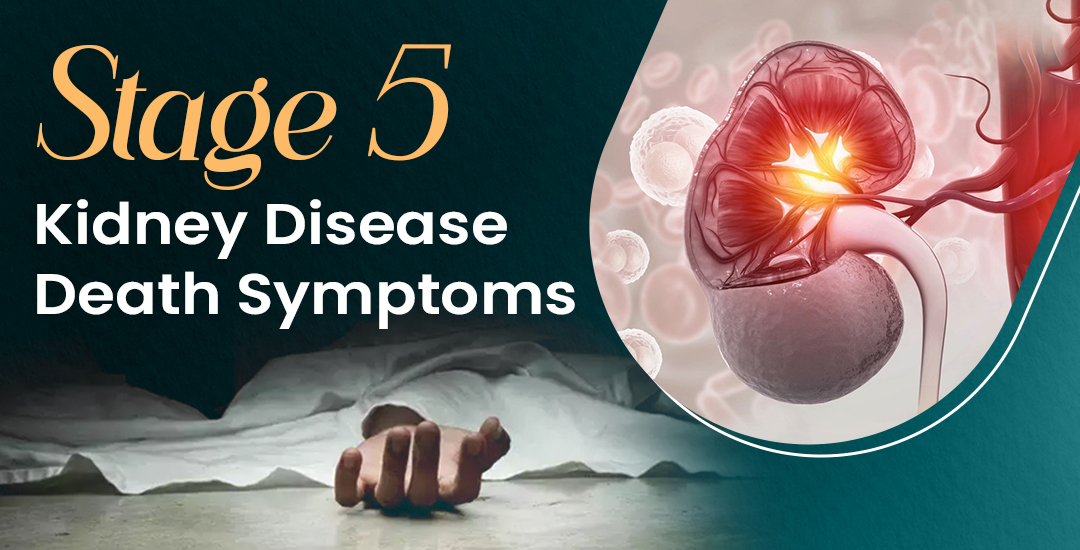

Stage 5 kidney disease, also called end-stage renal disease (ESRD), is the last stage of chronic kidney disease. It means the kidneys are working at less than 15% of their normal capacity. And when kidneys are that tired, they’re basically saying, “I’ve done my best. I need backup.”
Now, before we go any further, this isn’t a horror story. Not everyone with Stage 5 kidney disease dies immediately. Many people live for years with dialysis or a kidney transplant. But when treatment is stopped, or when the body can’t handle the stress anymore, certain symptoms appear in the final days or weeks.
Let’s understand what stage 5 kidney disease death symptoms are, in very simple language.
First, What Do Kidneys Even Do?
Your kidneys are like the body’s cleaning staff. They remove waste, balance fluids, control blood pressure, and help make red blood cells. When they stop working, waste builds up in the blood. That buildup is called uremia.
And no, uremia is not a fancy perfume. It’s toxic waste in your body. Not fun.
Stage 5 Kidney Failure Symptoms
Here are some of the most common stage 5 kidney disease death symptoms:
Extreme Tiredness and Weakness
One of the most common symptoms near the end of Stage 5 kidney disease is extreme fatigue.
We’re not talking about “I stayed up late watching Netflix” tired.
We’re talking about “walking to the bathroom feels like running a marathon” tired.
This happens because toxins build up in the blood, and the body can’t produce enough healthy red blood cells. Without enough oxygen in the body, everything slows down. The person may sleep more and talk less. They may not have energy for normal activities.
It’s the body’s way of conserving energy.
Loss of Appetite and Weight Loss
Food becomes less appealing. Even favorite dishes might get ignored. The person may eat very little or stop eating entirely.
This isn’t because they’re being stubborn.
It’s because the body is shutting down slowly. Digestion requires energy, and the body may decide it has other priorities.
Nausea and vomiting can also happen because of toxin buildup. When waste stays in the bloodstream, it irritates the stomach. And no one feels like eating when they feel like throwing up.
Swelling That Doesn’t Go Away
When kidneys fail, they can’t remove extra fluid. That fluid stays in the body.
Feet swell. Legs puff up. Hands may look like they’ve been inflated. Sometimes, even the face looks swollen.
The person may feel like they can’t get enough air, even while resting.
It’s uncomfortable and scary, but it’s common in advanced kidney failure.
Changes in Urine (Or No Urine at All)
In Stage 5 kidney disease, urine output often becomes very low.
Sometimes there’s barely any urine. Sometimes none at all.
Remember, urine is how the body gets rid of waste. If there’s no urine, waste stays inside. And that’s when symptoms become more intense.
Confusion and Mental Changes
This one surprises many families.
As toxins build up in the blood, they also affect the brain. The person may become confused. They may forget where they are. They might talk about things that don’t make sense.
Sometimes they become restless. Sometimes very quiet.
This condition is called uremic encephalopathy. Big name. Simple meaning: waste in the blood is affecting the brain.
It’s not that they don’t recognize you because they don’t love you. It’s because their brain is struggling.
Breathing Changes
In the final days, breathing patterns often change.
There may be periods of rapid breathing followed by slow breathing. Sometimes there are pauses between breaths.
This is a natural part of the dying process in many illnesses, not just kidney disease.
It can be difficult for loved ones to watch. But often, the person is not in distress, even if it looks concerning.
Cold Hands and Feet
As the body shuts down, circulation slows. Blood is directed toward vital organs like the heart and brain.
Hands and feet may feel cold. Skin may look pale or slightly bluish.
Again, this is the body’s natural process.
Muscle Twitching and Cramps
Because kidneys control electrolyte balance (like potassium and calcium), when they fail, those levels go out of control.
This can cause muscle cramps, twitching, or even seizures in severe cases.
Electrolyte imbalance is serious and one reason why dialysis is life-saving for many people in Stage 5.
Itching That Won’t Stop
This may sound small compared to other symptoms, but severe itching is very common.
Waste products under the skin cause constant itching. It can be incredibly uncomfortable.
Imagine having a mosquito bite… all over… all the time.
Not pleasant.
Pain: Is It Always There?
Many people worry about pain.
The truth is, kidney failure itself is not always extremely painful. Discomfort may come from swelling, breathing problems, or other complications.
With proper palliative care, doctors can manage pain effectively. Modern medicine is actually quite good at keeping patients comfortable.
How Long does Someone Live with Stage 5 Kidney Disease?
This is the big question.
If someone with Stage 5 kidney disease stops dialysis, life expectancy can range from a few days to a few weeks. It depends on overall health, age, heart condition, and other factors. But every person is different. There’s no exact stopwatch ticking.
The body has its own timeline, and factors like dialysis and transplant drastically improve your prognosis.
Kidney Disease Stage 5 without Dialysis
It’s very important to say this clearly:
An improved life expectancy without dialysis or a transplant is impossible in stage 5 kidney disease. With dialysis, many people live for years. With a kidney transplant, life can improve dramatically. Dialysis acts like an artificial kidney. It removes waste and extra fluid from the blood. It’s not perfect, but it works.
A transplant gives someone a second chance. So, if you or a loved one is in Stage 5, treatment decisions matter a lot.
When to Focus on Comfort Care
If treatment is no longer helping, doctors may suggest palliative care or hospice. This doesn’t mean giving up. It means shifting the goal from curing to comfort.
Managing pain. Reducing distress. Providing dignity. And honestly, dignity matters a lot.
Let’s Talk Honestly for a Moment
Death is not an easy topic. But understanding what happens helps reduce fear.
Stage 5 kidney disease death symptoms are mostly related to toxin buildup, fluid overload, and organ slowdown. The body gradually reduces activity. Sleep increases. Awareness fades. In many cases, it’s a gentle process rather than a dramatic one.
Final Thoughts
If you’re reading this because someone you love is in Stage 5 kidney disease, take a deep breath. You are not alone.
Modern medicine offers dialysis, transplant, and supportive care. Even when a cure isn’t possible, comfort always is.
And if you’re just learning about this condition, remember, early detection of kidney disease makes a huge difference. Regular checkups, blood tests, and controlling diabetes and blood pressure can prevent reaching Stage 5.
Disclaimer: The following article is for educational purposes only. In case of severe renal issues, please consult an expert like Dr. Puneet Dhawan or visit Karma Ayurveda Hospital.
FAQ
1. What are the symptoms of stage 5 kidney failure?
In CKD stage 5, symptoms include extreme tiredness, swelling, shortness of breath, nausea, itching, confusion, and very little urine. The body fills up with toxins, so you feel very sick.
2. What are the symptoms of the end-stage of CKD?
Severe weakness, breathing trouble, chest pain from fluid, poor appetite, confusion, and sometimes unconsciousness. Dialysis or transplant is usually needed.
3. Can you die suddenly from kidney failure?
Yes, it’s possible, especially due to high potassium or heart problems.
4. What is the kidney failure death timeline?
Without treatment, it can be days to a few weeks. With dialysis and transplant, people can live for years.