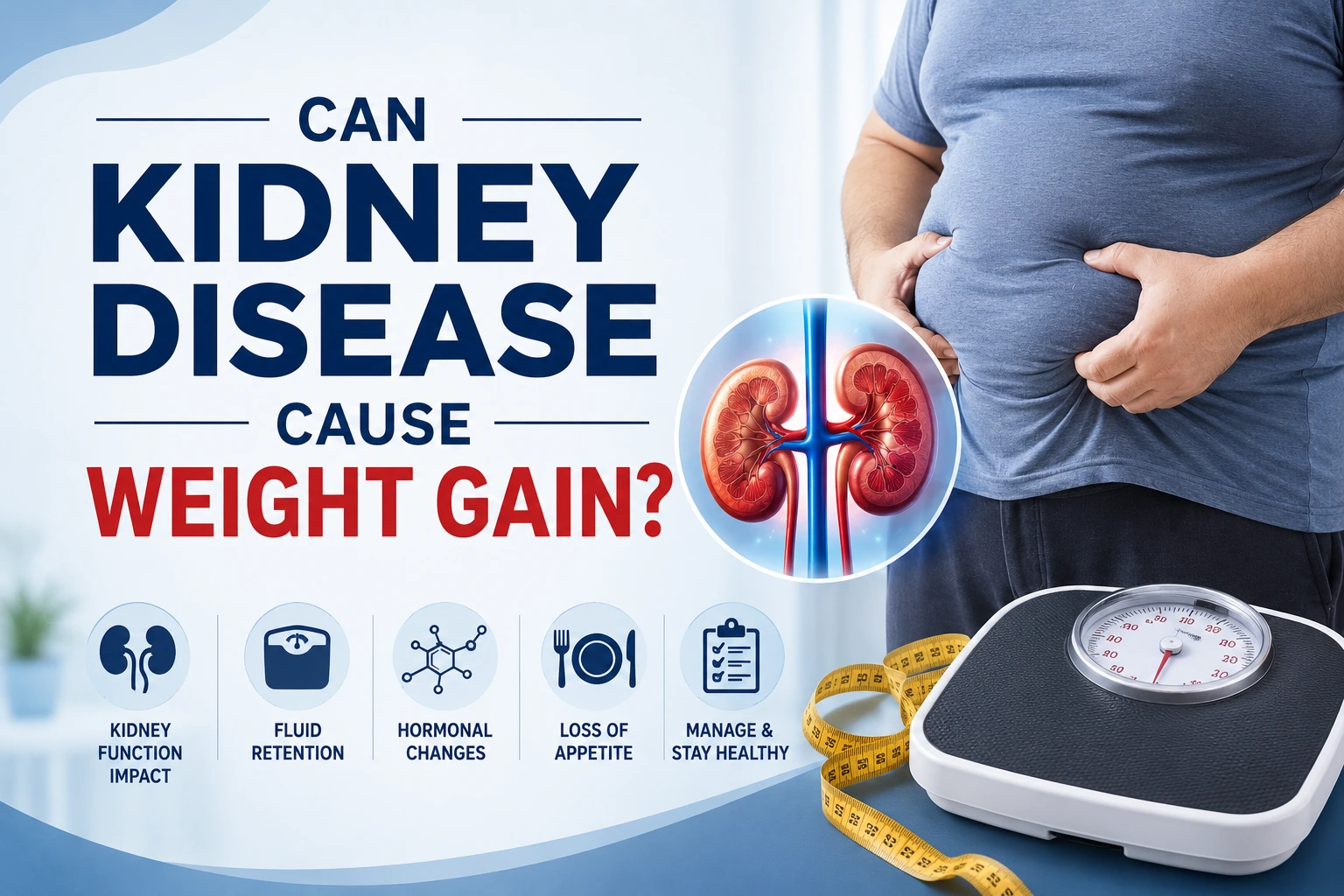

Yes, kidney disease can cause weight gain; and no, it's not because of that extra slice of cake you "forgot" you ate. When your kidneys aren't filtering properly, your body can start holding onto fluid like it's hoarding toilet paper during a pandemic. That puffiness on the scale isn't fat; it's water your kidneys couldn't kick out. Let's unpack this whole thing in plain English, no medical jargon, no scary lectures.
So why does this even happen?
Your kidneys are basically your body's bouncers. Their job is to filter out extra water, salt, and waste, and send it packing through urine. When kidney function drops, that bouncer starts letting too many people stay at the party, meaning fluid builds up instead of leaving. This is the simplest answer to why does kidney disease causes weight gain: it's not extra calories, it's extra water your body can't get rid of.
A study published in the American Journal of Kidney Diseases (Inker et al., 2014) looked at how reduced kidney filtration affects fluid balance in patients with chronic kidney disease, and found that as kidney function declined, fluid retention became a consistent and measurable issue. Basically, the worse the filtering, the more your body turns into a sponge.
The kidney disease weight gain connection, explained like you're five
Think of your kidneys like a sink with a drain. If the drain is clear, water flows out fine. If the drain gets clogged, water just sits there, rises, and eventually overflows onto your bathroom floor. That's kidney disease weight gain in a nutshell; the "drain" (your kidneys) isn't clearing water out properly, so it pools in your tissues instead.
This is different from gaining weight because you ate an extra burger. Fluid weight can show up within days, sometimes even overnight, which brings us to a phrase you might've heard tossed around: sudden weight gain kidney disease. If you weighed yourself on Monday and then again on Thursday and the number jumped by a few pounds with no real change in your eating or activity, that's worth paying attention to and mentioning to a doctor, not Googling at 2 AM in a panic (we've all been there).
Let's talk about swelling, because it's basically fluid's calling card
Swelling kidney disease symptoms usually show up first in the ankles, feet, hands, or around the eyes. This happens because gravity pulls extra fluid downward when you're standing or sitting, and your face can puff up overnight when you're lying down. It's like your body is playing a very unfunny game of "guess where the water went today."
Swelling and kidney disease often go hand in hand because the kidneys also help regulate protein levels in your blood. When protein (specifically albumin) leaks into urine instead of staying in your bloodstream, it changes the pressure balance in your blood vessels, pushing fluid out into surrounding tissue. This condition is called edema, and research published in Kidney International (Hull et al., 2017) examined how protein loss in kidney disease patients correlated directly with increased tissue swelling, especially in the lower limbs.
What about fluid retention specifically?
Fluid retention is really the umbrella term for everything we've been talking about. It's not just about ankles getting puffy; it can also affect your lungs (making you feel short of breath), your abdomen (hello, bloating), and yes, the number on your bathroom scale. The kidneys, heart, and liver all play a role in keeping fluid balanced, so when kidneys start slacking off, the whole system gets thrown out of whack.
Kidney disease bloating is a real and pretty uncomfortable symptom too. Fluid can build up in the abdominal area, making you feel full, tight, or like you swallowed a balloon at a birthday party. This is sometimes mistaken for digestive issues, which is exactly why it's easy to overlook and brush off as "I just ate too much."
Is it water weight or "real" weight? How do you even tell?
This is where water weight kidney disease comes into play, and honestly, it's a fair question because the scale doesn't come with a little label saying "this part is water, this part is pizza." Generally speaking, water weight tends to:
-
Show up quickly, sometimes within a day or two
-
Come with visible puffiness in the legs, face, or hands
-
Feel different to the touch; skin may look stretched or shiny
-
Fluctuate depending on salt intake or how much you've been sitting versus moving around
Fat gain, on the other hand, tends to creep up slowly over weeks and doesn't usually come with swelling. If your weight jumped fast and your shoes suddenly feel tight, fluid is the more likely culprit.
A quick, simple table because who doesn't love a good cheat sheet
|
Symptom |
What's Actually Happening |
Common Location |
|---|---|---|
|
Sudden weight gain |
Fluid not being filtered out properly |
Whole body, shows on scale fast |
|
Swelling (edema) |
Protein leaking into urine changes fluid pressure |
Ankles, feet, hands, face |
|
Bloating |
Fluid pooling in the abdominal area |
Stomach/abdomen |
|
Shortness of breath |
Fluid building up around lungs |
Chest |
|
Puffy eyes in the morning |
Fluid shifts after lying down overnight |
Around the eyes |
Does this mean every weight gain is kidney related?
Absolutely not, and this is the part where we put on our cautious hat. Weight gain has dozens of causes; thyroid issues, hormonal changes, medications, stress, simply enjoying life a little too much during the holidays. Kidney-related fluid retention is just one possible explanation among many, and it usually comes packaged with other signs like reduced urination, fatigue, or changes in urine color or foaminess. A 2015 study in the Clinical Journal of the American Society of Nephrology (Stevens et al.) noted that fluid-related weight changes were most reliably linked to kidney disease when they appeared alongside other markers like elevated creatinine or reduced glomerular filtration rate, not from weight gain alone.
So, if you've noticed unexplained puffiness, weight that jumped overnight, or your rings suddenly feeling snug, it's worth a conversation with a doctor rather than jumping to conclusions. Blood tests and urine tests can actually check kidney function directly, which is a far more reliable approach than scale-watching and worrying.
Conclusion
Kidneys quietly do an enormous amount of work, and when they slow down, fluid retention is often one of the earliest and most noticeable signs. Weight gain from kidney issues isn't about eating more, it's about your body holding onto water it should be releasing.
Pay attention to patterns; sudden changes, visible swelling, bloating that doesn't go away; and let a healthcare professional connect the dots properly. Your kidneys can't exactly send you a text message when something's wrong, so these physical signs are basically their way of waving a little flag.
Disclaimer: Please discuss with your nephrologist or a qualified doctor, if you have been experiencing weight gain due to renal issues. Avoid DIY treatment.
FAQ
Can kidney disease cause rapid weight gain?
Yes. Rapid weight gain can happen due to fluid buildup, as your kidneys cannot properly filter waste from the body.
Is it hard to lose weight with kidney disease?
Yes. Diet restrictions, reduced activity, and certain medications can create roadblocks in your weight loss journey.
What foods should people with chronic kidney disease avoid?
High-sodium, processed foods and, if advised by a doctor, foods high in potassium or phosphorus should not be consumed by CKD patients.
How do you treat stage 1 kidney disease?
It usually centers around modifying diet habits and addressing the symptoms.