
Let’s be real; most of us don’t spend our day thinking about our urine. It’s one of those “out of sight, out of mind” things… until one day, you see bubbles in the toilet. And suddenly, it’s like your bladder just sent you a cryptic message: “Hey, pay attention to me!”
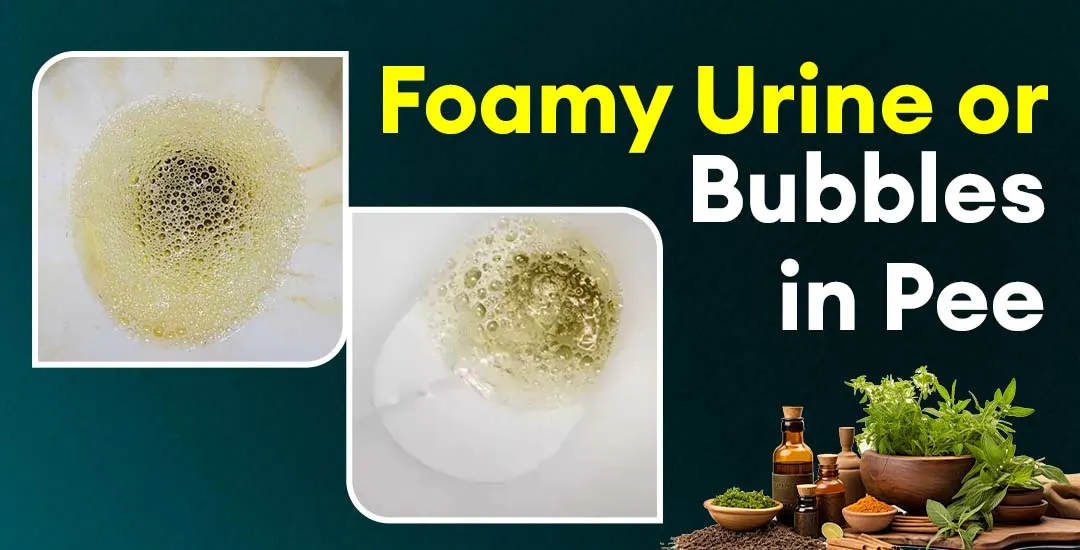
Yes, we’re talking about foamy urine; when your pee looks more like a latte with extra froth than your usual pale-yellow stream. But before you panic, take a deep breath. At times, foamy urine is normal and does not necessarily mean you have a serious issue (for example, consider how you shake up a can of soda or a fizzy drink). On the other hand, foamy urine may indicate an issue with your kidneys and suggest that you should consult a doctor ASAP. So, what is the clear distinction between bubbly vs foamy urine? What actually causes bubbles in pee? Let’s clear out the foam surrounding this topic.
Common Causes of Bubbles in Urine
Below are the top causes of bubbles in urine:
1. When you pee quickly, you will develop short-term foam.
In many cases, the sudden force with which your urine hits the surface of the toilet can cause some bubbles and foam in your toilet bowl.
Why it happens: Fast, strong urine hitting water traps air, creating foam.
Should you worry? Not usually. This is normal and goes away if you slow down a bit.
Fun tip: If you want to test it, try peeing gently and see if the foam disappears. If it does, congratulations; you just solved a mystery worthy of a Sherlock Holmes episode.
2. Dehydration – Pee Needs a Drink Too
Dark, foamy urine can be an indication of dehydration; therefore, it will give off properties that are different than hydrated urine. When you do not consume enough water, your body does not flush out waste products as quickly as possible. As a result, your body retains more toxins that contribute to the formation of dark or foamy urine once it contacts the water in the toilet bowl.
The logic behind this phenomenon is that lower levels of hydration lead to higher concentrations of waste in your body, resulting in a greater amount of gas bubbles created when urine makes contact with the toilet bowl.
Should you worry? Usually not. The solution is simple: drink water. And no, coffee, soda, or energy drinks don’t count as substitutes, even if they make you feel like a superhero temporarily.
Pro tip: Aim for urine that’s pale yellow. If it’s golden like honey, your kidneys are waving a little flag saying, “Hydrate me, please.”
📩 Ask a Kidney Expert (Free 10-Min Consultation)
3. Protein in Urine – When Kidneys Send a Signal
Here’s where it gets more serious. If your pee consistently foams, it might be because of proteinuria; protein leaking into your urine. Normally, the kidneys filter waste from the blood while leaving behind all of the “good” things like proteins. However, an improper filtration may lead to proteins escaping into the urine, resulting in foam.
Should you worry? Yes, you should check in with a doctor if the foam is sticky. They might run a simple urine test to see if protein levels are high. Catching kidney problems early can make a big difference.
Friendly reminder: Not all protein in urine is alarming. Sometimes, a heavy workout or even stress can temporarily increase protein levels. But persistent foam is a signal not to ignore.
4. Urinary Tract Infections (UTIs)
When you have “bubbly” urine that also contains a burning sensation along with frequent urination or an odd odor, you may be experiencing a urinary tract infection (UTI) because a UTI changes the way urine looks, sometimes making it appear cloudy or foamy.
How: Bacteria from the urinary tract create an inflammatory response, and sometimes release proteins or compounds that cause bubbles.
Should You Be Concerned? Mild UTIs are very common among women and typically will go away if they are treated properly; however, if left untreated, a UTI could spread to the kidneys, which is why it's important to seek medical attention for these symptoms right away.
Quick tip: If foam is accompanied by pain or burning, see a doctor. And yes, antibiotics may have to be consumed for a quick resolution of UTI.
5. Medications and Medical Conditions
Some medicines (chemotherapy drugs and ACE inhibitors) and diseases like diabetes, heart disease, high blood pressure, etc., may also cause foamy urine.
What causes it? The foaming you see in your urine is caused by the change in the level of protein, electrolyte, or other substances that occurs because these medications or conditions affect kidney function.
Should I be concerned? If the foam persists and you are taking medications or have chronic conditions, talk to your healthcare provider to see if there is a need to make changes in your treatment.
When Should You Worry?
Now, you know the difference between bubbly vs foamy urine. Here’s a simple rule of thumb to take care of:
-
Occasional foam, especially after a fast stream or dehydration, = Harmless.
-
Persistent foam (alongwith swelling, fatigue, changes in urination, etc.) = Check with the doc.
Your kidneys might be trying to get your attention. And trust me, they’re worth listening to.
📩 Ask a Kidney Expert (Free 10-Min Consultation)
How to Reduce Foamy Urine Naturally?
Adopt kidney-friendly habits like:
-
Stay hydrated
-
Eat a balanced diet
-
Exercise
-
Go for regular checkups
Conclusion
By understanding the distinction between urine bubbles vs foam, we can identify symptoms early enough to receive treatment before they become chronic. When urine develops foam, it could be indicative of kidney disease; it is important to go to your healthcare provider for a full assessment. Your kidney will appreciate this proactive approach, and so will your toilet!
Disclaimer: In case you have severe symptoms, please consult a nephrologist. Avoid DIY treatments.
FAQ
1. Why is my urine full of air bubbles?
Sometimes it’s just fast urination or soap residue, but persistent bubbles can mean protein in urine.
2. How much bubble is okay in urine?
A few bubbles now and then are usually fine. Constant or frothy bubbles are worth checking.
3. Are bubbles in urine serious?
Occasional bubbles aren’t, but persistent foamy urine can signal some inherent renal issues.
4. What infections cause bubbles in urine?
Urinary tract infections (UTIs) may sometimes cause bubbly urine.
5. What is the difference between bubbles and foamy urine?
Bubbles: short-lived, disappear quickly.
Foamy urine: persistent, looks like soap foam, often a sign of protein.
6. What stage of kidney failure is foamy urine?
It is more common in stage 3–4 CKD.
7. What are the four warning signs of a damaged kidney?
Swelling (hands, feet, face), foamy urine, fatigue, and changes in urination (frequency or color).