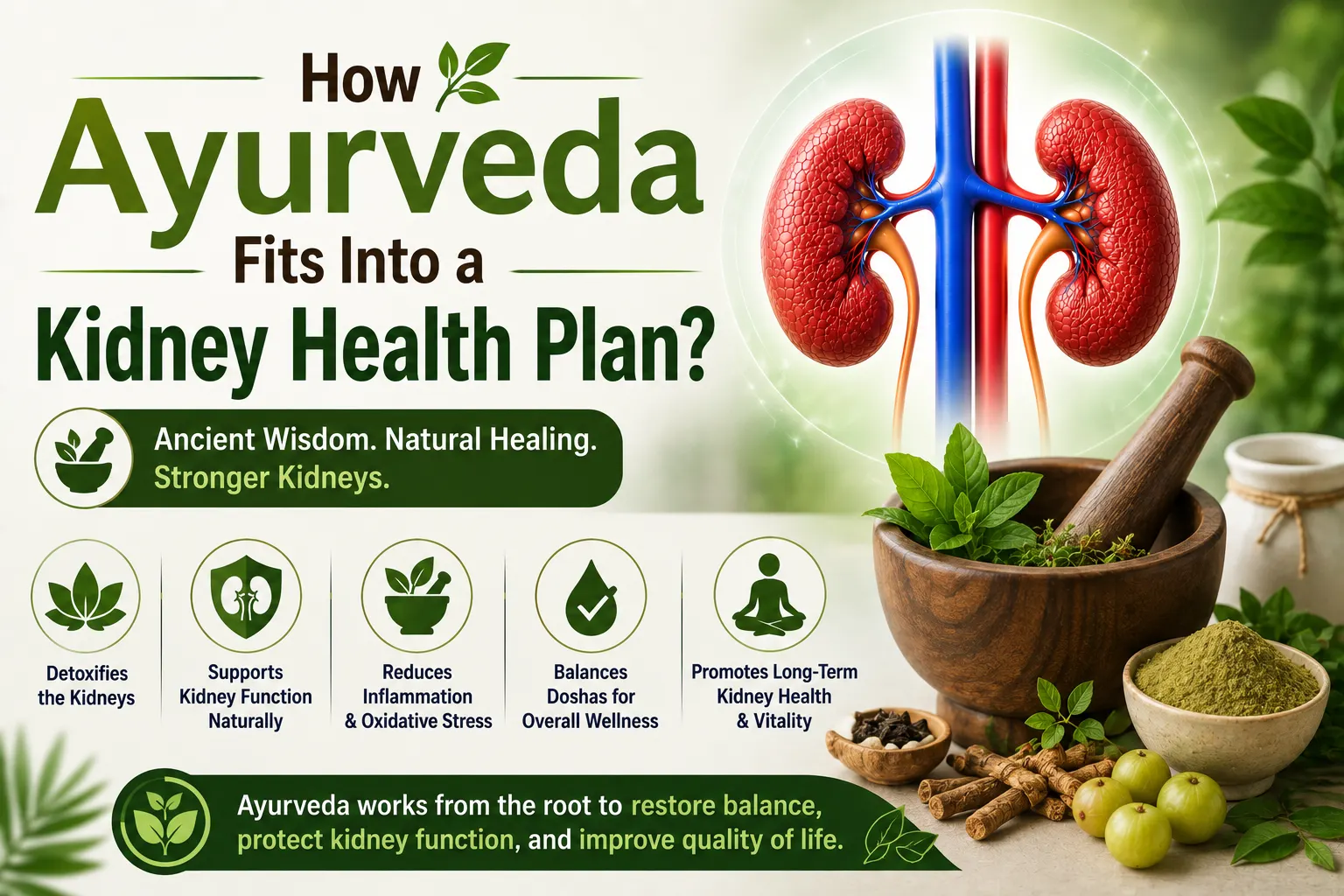

Short answer: Ayurveda kidney health plan doesn't replace your nephrologist, but it can sit alongside modern medicine as a lifestyle and diet-based support system for your kidneys. Think of it less like a magic potion and more like that sensible friend who keeps reminding you to drink water and stop eating instant noodles at midnight.
Now that we've got the "answer" part out of the way, let's actually talk about what that means in real life, because "holistic support" is one of those phrases that sounds nice on a wellness Instagram post but means absolutely nothing until someone breaks it down for you. So, let's break it down.
What Ayurveda Actually Says About Your Kidneys
In Ayurveda, kidney function is tied to something called Mutravaha Srotas; basically, the body's plumbing system for urine formation and elimination. Ayurvedic texts also link kidney health to Apana Vata, the downward-flowing energy responsible for elimination. When that flow is smooth, things work fine. When it's blocked (by bad food choices, dehydration, stress, or holding in the urge to pee for three hours because you're "in the zone" at work), that's when trouble tends to show up as fatigue, swelling, or lower back discomfort.
This isn't just poetic language from old scriptures; a review in ScienceDirect on Ayurvedic medicinal plants and chronic kidney disease (CKD) noted that a meaningful chunk of CKD patients in India already use traditional or alternative remedies alongside their regular treatment, which is exactly why researchers are trying to actually study these herbs properly instead of just repeating folklore.
The Herbs Everyone Keeps Talking About
If you've spent even five minutes Googling Ayurveda for kidney health, you've run into the same lineup of herbs over and over. Here's the honest rundown:
-
Punarnava (Boerhavia diffusa): The reigning MVP. It's a natural diuretic, meaning it helps the body flush out excess fluid instead of you looking like a water balloon by 6 PM. A review published in the Research Journal of Pharmacy and Technology rounded up multiple lab and animal studies showing punarnava has a protective effect on kidney tissue exposed to toxins.
-
Gokshura (Tribulus terrestris): Traditionally used to support urinary flow and help the body deal with kidney stones.
-
Varuna: Comes packed with antioxidants and flavonoids, and is traditionally associated with anti-inflammatory and blood-pressure-friendly effects; both relevant since high blood pressure is one of the biggest kidney stressors out there.
-
Triphala: The three-fruit combo (Amalaki, Bibhitaki, Haritaki) that Ayurveda uses for basically everything, kidneys included, mostly for gentle detox support.
-
Giloy (Tinospora cordifolia): Often paired with punarnava in research combos for its antioxidant punch.
A few animal studies, including ones testing punarnava against drug-induced kidney damage, found it helped normalize markers like creatinine and urea back toward healthy ranges. That's promising groundwork, but it's important to be upfront here: most of this evidence comes from lab and animal models, not large human clinical trials. So "promising" is the right word; "proven cure" is not.
Where Ayurveda Actually Fits (And Where It Doesn't)
Here's the part nobody likes to hear: Ayurveda works best as a supportive lifestyle layer, not a standalone treatment for actual kidney disease. If your creatinine levels are high or you've been diagnosed with CKD, herbs are not a substitute for dialysis, medication, or your doctor's monitoring. But as a daily habit- diet, hydration, stress management, and mindful eating; it genuinely complements modern kidney care.
|
Ayurveda's Role |
Modern Medicine's Role |
|
Keeps your daily habits kidney-friendly (hydration, diet, doshas) |
Diagnoses actual kidney damage with blood/urine tests |
|
Uses herbs like punarnava for gentle detox support |
Uses dialysis/medication when kidneys are actually failing |
|
Great for "not yet broken, let's keep it that way" |
Essential once things ARE broken |
|
Costs you turmeric and patience |
Costs you an actual medical bill |
A Realistic Daily Routine
-
Drink water consistently through the day (not all at once at 11 PM out of guilt)
-
Cut down on excess salt and processed food; a known kidney stressor in both Ayurvedic and modern nutrition science
-
Include kidney-friendly herbs like punarnava or triphala only after checking with an Ayurvedic practitioner or doctor, especially if you're already on medication
-
Don't hold in urine; yes, this is an actual Ayurvedic point, and yes, modern medicine agrees
-
Manage blood pressure and blood sugar, since both are top culprits behind long-term kidney damage
Key Takeaways
-
Ayurveda supports kidney health mainly through diet, hydration, and lifestyle; not as a replacement for medical treatment
-
Herbs like punarnava, gokshura, and varuna have shown protective effects in lab and animal studies, though large-scale human trials are still limited
-
CKD or any diagnosed kidney condition needs a doctor's supervision; herbs are a support act, not the headliner
-
Simple daily habits (hydration, low salt, not holding urine) matter more than any single herb
-
Always loop in a qualified practitioner before combining Ayurvedic herbs with prescription medication
FAQs
Can Ayurveda cure kidney disease?
No; Ayurveda can support kidney health as a lifestyle habit, but it can't reverse or cure diagnosed kidney disease on its own.
Is punarnava safe for daily use?
For most healthy people it's generally considered safe in traditional use, but anyone with existing kidney issues or on medication should check with a doctor first.
Can I take Ayurvedic herbs along with my kidney medication?
Only under medical guidance, since some herbs can interact with prescription drugs or affect dosage needs.
Does Ayurveda help with kidney stones?
Some herbs like gokshura and punarnava are traditionally used to support stone management, but actual treatment depends on stone size and type, which only a doctor can assess.
What's the easiest Ayurvedic habit to start with for kidney health?
Simply drinking water consistently through the day and never holding in the urge to urinate; small habit, real impact.
Disclaimer
This blog is for general informational purposes only and isn't medical advice. Ayurvedic herbs and kidney health research mentioned here are based on published studies, many of which are preliminary. Please consult a qualified doctor or Ayurvedic practitioner before starting any new herb, supplement, or treatment plan, especially if you have an existing kidney condition.