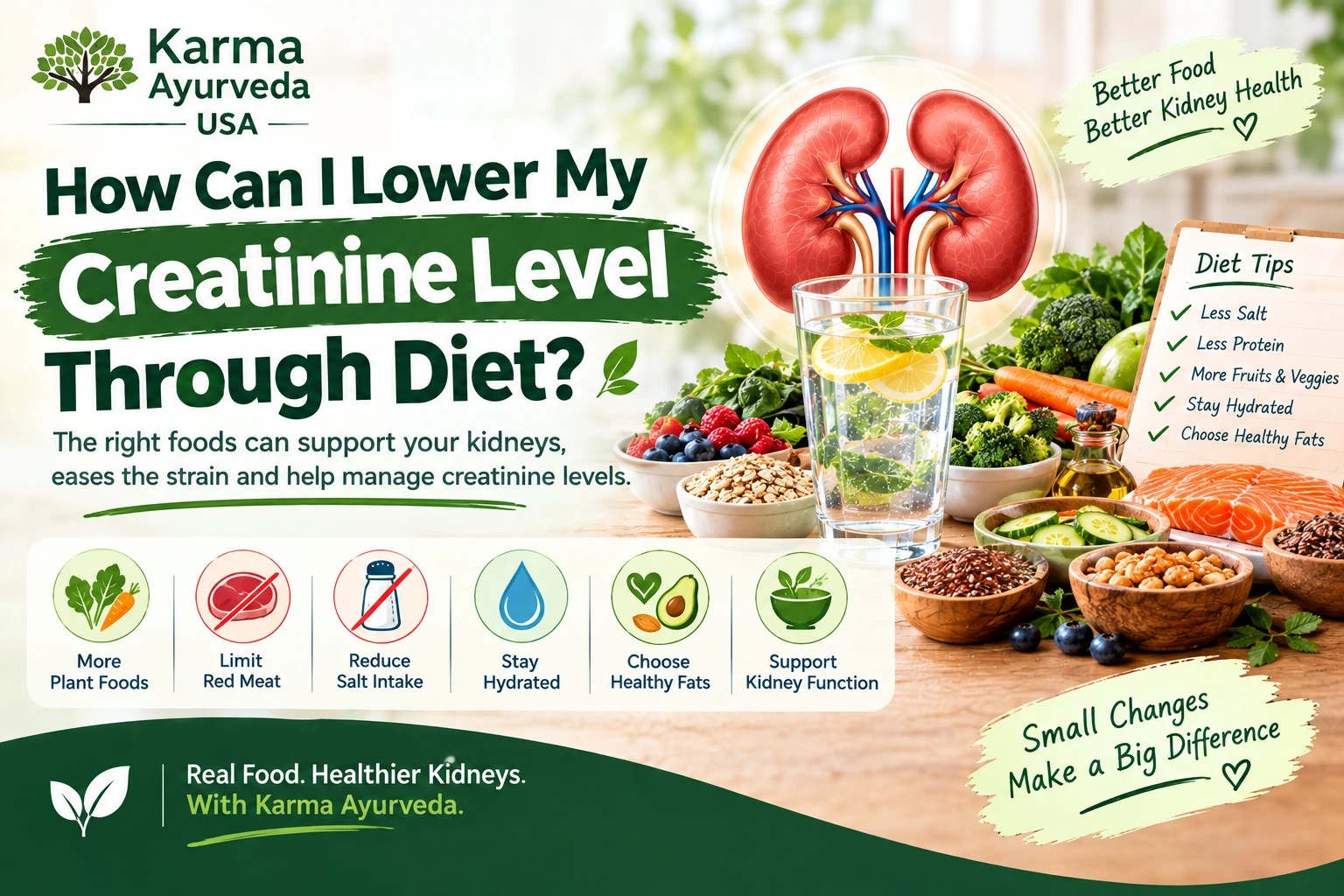

You can lower your creatinine level through diet by easing up on red meat and protein supplements, filling your plate with plant foods, keeping salt on a short leash, and drinking a sensible amount of water for your stage of renal health. Think of it as a natural treatment for high creatinine in the sense that it takes work off your filters. It's a helpful sidekick, not a magic wand.
If you've just opened a lab report and spotted a red arrow next to "creatinine", take a breath. Don't spiral into a 2 a.m. search spree. A high number is a signal, not a verdict, and food is one of the few things you can actually control here. Let's go through it like two friends chatting over chai.
What Is Creatinine, and Why Is It Throwing a Tantrum?
Creatinine is a waste product your muscles make during everyday wear and tear. Your kidneys, the bean-shaped filtration crew in your lower back, strain it out of your blood and send it off in urine. When the filters slow down, creatinine lingers in the blood like a guest who refuses to take the hint.
Doctors use it to estimate your eGFR (estimated glomerular filtration rate), basically a report card for how well your filters are working. Rough reference ranges (labs vary):
- Adult men: about 0.7 to 1.3 mg/dL
- Adult women: about 0.6 to 1.1 mg/dL
Not every high reading means disease. Dehydration, a brutal leg day, or a giant steak dinner can push it up. Which brings us to a plot twist.
The Steak Dinner Plot Twist
A 1979 paper in the British Medical Journal by Jacobsen and colleagues found that serum creatinine jumped noticeably after people ate cooked meat. A later study by Preiss and colleagues (Annals of Clinical Biochemistry, 2007) showed that a cooked-meat meal could shift estimated GFR too.
So if your test is coming up, ask your doctor whether to skip the meaty feast the night before. Creatine supplements, the gym bro's favourite, can also nudge the number up without any actual harm to your renal function.
Go Easy on Protein (Not Zero, Just Smarter)
Protein is essential, but breaking it down creates waste your filters must clear. In the big Modification of Diet in Renal Disease (MDRD) trial (Klahr et al., New England Journal of Medicine, 1994), researchers studied lower-protein diets in people with chronic kidney disease (CKD). A Cochrane review by Hahn and colleagues (2018) later suggested lower-protein diets may slightly reduce the risk of reaching end-stage renal disease, though the evidence isn't perfect.
Practical ways to ease the load:
- Keep portions about palm-sized instead of plate-sized
- Swap some red meat for lentils, chickpeas, tofu, or eggs in moderation
- Skip protein powders and "mass gainer" shakes unless your doctor approves
- Don't cut protein to zero, since you'll lose muscle and feel wiped out
Ask a renal dietitian for your personal number, because the right amount depends on your weight, stage, and other conditions.
Let Plants Do the Heavy Lifting
A large ARIC study analysis (Kim et al., Clinical Journal of the American Society of Nephrology, 2019) found that people eating more plant-based diets had a lower risk of developing CKD. Another study from the Northern Manhattan Study (Khatri et al., CJASN, 2014) linked a Mediterranean-style diet to lower odds of reduced renal function.
Renal-friendly plant picks include:
- Cauliflower, cabbage, and bell peppers
- Apples, berries, and grapes
- Garlic and onions (bonus: they replace salt in flavour)
- Olive oil instead of butter or ghee-drenched everything
One catch: if your function is already well down, some fruits and veggies (bananas, oranges, tomatoes, potatoes) carry lots of potassium. Your doctor's blood report decides whether to keep them on the menu.
Salt: Put the Shaker Down Slowly
Extra sodium raises blood pressure and makes your filters work overtime. A randomized trial (McMahon et al., Journal of the American Society of Nephrology, 2013) found that cutting sodium in people with CKD lowered blood pressure and reduced protein leaking into urine.
- Cook fresh so you control the seasoning
- Go easy on pickles, papad, namkeen, instant noodles, and packaged soups
- Use lemon, herbs, cumin, and pepper to keep food exciting
How Much Water Should Kidney Patients Drink?
Ah, the great water debate. The honest answer is that it depends on your stage and other conditions. Many people with early-stage issues and no fluid restriction do fine with roughly 1.5 to 2 litres a day. Advanced CKD, heart failure, or dialysis often means a fixed limit set by your care team.
Here's the surprise. In the CKD WIT randomized trial (Clark et al., JAMA, 2018), coaching people with CKD to drink more water didn't significantly slow their decline in eGFR. So chugging litres in the hope of "flushing" creatinine isn't a hack. Aim for pale-straw-coloured urine, not a bladder that could host a swimming meet.
Quick Cheat Sheet: What to Eat vs. Side-Eye
|
Food |
Verdict |
Why (Honestly) |
|
Cauliflower |
Welcome |
Low potassium, big personality |
|
Grilled fish (small portion) |
Fine |
Protein without the steak drama |
|
Bananas and oranges |
Ask your doctor |
Potassium-heavy, depends on your labs |
|
Processed snacks |
Side-eye |
Sodium bombs in a shiny wrapper |
|
Protein shakes |
Skip |
Your filters didn't sign up for that |
What About Ayurveda?
Many people in India look at Ayurveda alongside modern care. High creatinine Ayurvedic treatment usually combines dietary changes, herbs, and lifestyle habits. A typical Ayurvedic creatinine treatment plan favours light, warm, freshly cooked food and steers away from fried, fermented, and very salty items, which actually lines up nicely with what we've covered so far.
Kidney disease Ayurvedic treatment is offered by many practitioners, and some people consult specialists such as Dr. Puneet Dhawan or explore centres offering Karma Ayurveda for kidney disease treatment for personalised diet and herbal guidance. Whoever you pick, check their credentials and keep your nephrologist in the loop.
So what about the best herbs for lowering creatinine in Ayurveda? The names that come up most are Punarnava (Boerhaavia diffusa), Gokshura, and Varuna. Here's what the science says so far:
- A 2022 study from Banaras Hindu University (Journal of Endocrinology and Reproduction) found that Punarnava root extract reduced serum creatinine and urea in diabetic hamsters.
- A 2023 mouse study on Boerhaavia diffusa looked at protection against gentamicin-induced renal injury, with promising markers.
Note the word "animals". These aren't human trials, so please don't treat them as proof it works in you. Quality also matters: a JAMA study by Saper and colleagues (2008) found roughly one in five Ayurvedic products tested contained detectable lead, mercury, or arsenic. Buy only lab-tested products, and check with your doctor first, since some herbs interact with medicines or change potassium levels.
Sneaky Things That Raise Creatinine
- Dehydration from too much chai and too little water
- Painkillers such as ibuprofen or diclofenac, taken regularly
- Creatine supplements and heavy protein shakes
- Intense workouts right before a blood test
- Uncontrolled blood pressure or blood sugar, the long-term troublemakers
Key Takeaways
- Diet can reduce the workload on your filters, but it doesn't replace medical care
- Trim red meat, protein powders, and creatine supplements, but don't cut protein entirely
- Lean toward plant-forward, Mediterranean-style meals
- Watch salt, and ask your doctor about potassium and phosphorus
- More water isn't always better, so follow your personalised limit
- Herbs like Punarnava are studied mostly in animals, so use them only under professional guidance
- Retest and review numbers with your doctor before changing anything big
Conclusion
Lowering creatinine isn't about punishing yourself with boiled bottle gourd for life. It's about small, steady swaps: a little less meat, a bit less salt, more colourful plants, sensible water, and regular lab checks. Do that consistently and your renal team will have good news more often than not. And when in doubt, ask your doctor before trying something you saw on the internet, including this blog.
📩 Ask a Kidney Expert (Free 10-Min Consultation)
FAQs
Can diet alone lower creatinine?
Sometimes it helps a fair bit, especially if your number was inflated by meat, supplements, or dehydration, but it isn't a solo act.
Which foods should I avoid with high creatinine?
Go easy on red meat, protein powders, salty snacks, and (if your doctor says so) high-potassium foods.
How fast can creatinine come down?
It depends on the cause, and some temporary bumps settle within days while chronic ones need long-term teamwork.
Does drinking more water lower creatinine?
Being well hydrated helps, but chugging extra litres won't work miracles and can be risky if you have a fluid limit.
Is Ayurveda safe for high creatinine?
It can be fine with a qualified practitioner and tested products, but always tell your nephrologist what you're taking.
Disclaimer
This blog is for general information only and isn't medical advice, diagnosis, or treatment. Creatinine levels, diet needs, and herb safety vary from person to person. Please talk to your doctor or a qualified renal dietitian before changing your diet, medicines, or supplements, especially if you have kidney disease.