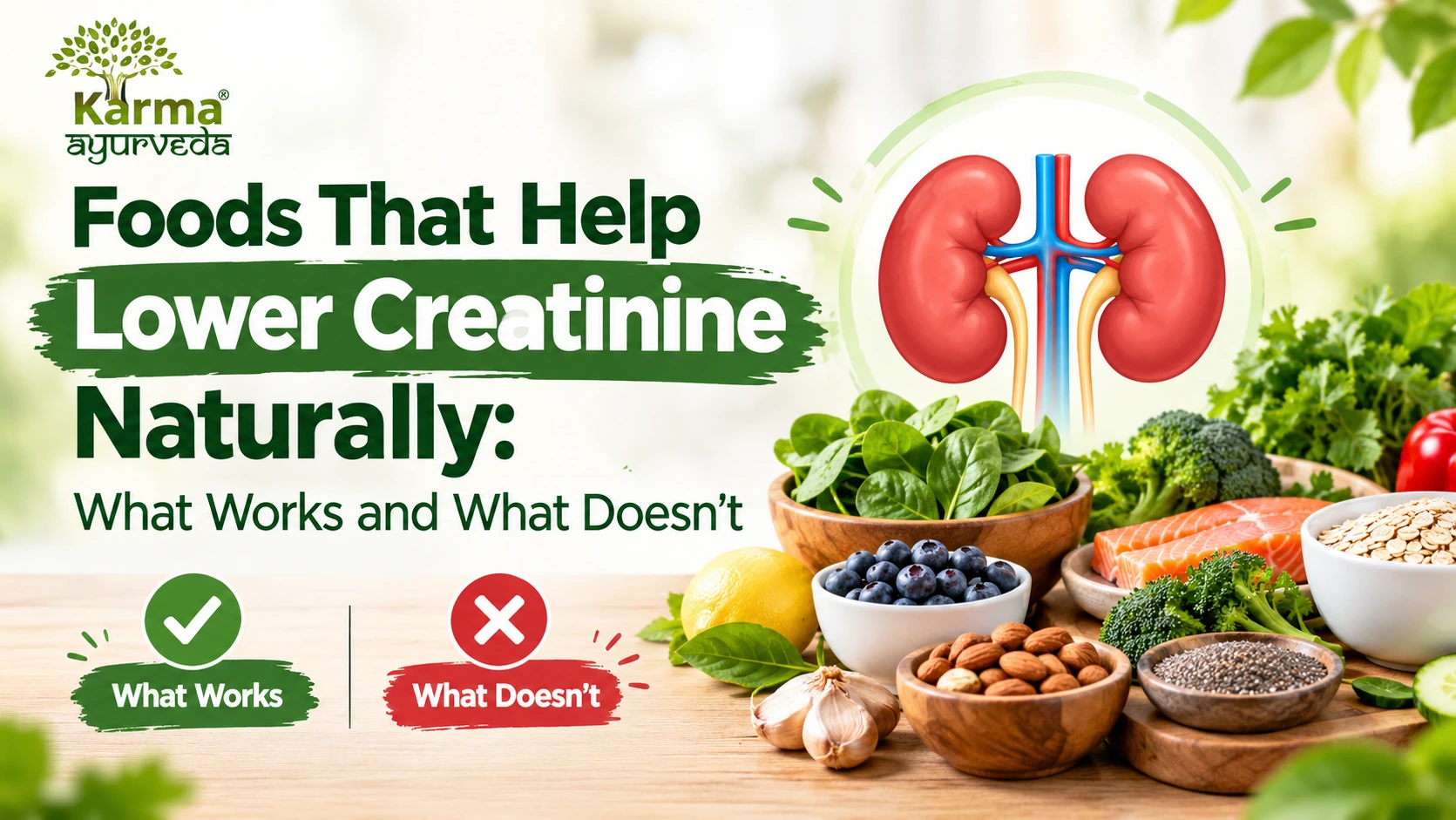

You build a kidney-friendly diet by cutting back on sodium, watching your protein and potassium intake, and loading your plate with fresh, whole foods instead of processed stuff. Simple in theory. Slightly trickier in a country where "healthy snack" often means a granola bar with 14 ingredients you can't pronounce.
Here's the thing though; most people don't think about their kidneys until something forces them to. And honestly? That's the problem. Your kidneys are basically the quiet coworker who never complains, does all the unglamorous work (filtering waste, balancing fluids, managing blood pressure), and only sends up a flare when things are really not okay. Recognizing the early warning signs of kidney trouble early is what actually gives you a shot at fixing your diet before it becomes a medical emergency instead of a Tuesday.
According to the CDC's 2023 report on chronic kidney disease, awareness data was only tracked for adults 20 and older; which tells you something important: a lot of people are walking around with kidney issues and zero clue. A 2023 study published in a primary care journal in Türkiye found that fewer than 4% of participants showed high awareness of CKD symptoms and causes, while nearly 79% fell into the low-awareness category. So no, you're not the only one who thought "kidney stuff" was something that only happened to other people.
Why Your Diet Actually Matters Here?
Think of your kidneys like the bouncers at a club. They decide what stays in your bloodstream and what gets shown the door. Eat a diet loaded with sodium, sugar, and mystery preservatives, and you're basically making the bouncers work a double shift, every single day, forever. Eventually, they get tired.
Some kidney disease signs that often get brushed off as "just getting older" or "probably nothing":
-
Puffy ankles or feet by the end of the day
-
Feeling wiped out even after a full night's sleep
-
Needing to pee way more (or way less) than usual
-
Foamy or bubbly urine (yes, we're talking about this, deal with it)
-
Trouble concentrating, like your brain is buffering
None of these automatically mean disaster. But they're worth a conversation with your doctor, not a Google spiral at 1 a.m.
Building the Actual Diet
Good news: you don't need to eat cardboard for the rest of your life. Here's the general framework people follow, especially once kidney symptoms or a lab result nudge them toward change:
-
Cut sodium: Aim under 2,300 mg a day. Read labels; canned soup is basically salt with a backstory.
-
Watch protein: Not zero, just smarter. Lean proteins over processed deli meats.
-
Mind your potassium and phosphorus: Bananas and dark leafy greens are great, but if your kidneys are already struggling, portions matter.
-
Hydrate, don't drown: More water isn't always better if your kidneys can't process it efficiently.
-
Skip the processed aisle: If it has a shelf life longer than your last relationship, maybe reconsider.
The "Before vs After" Table (Because Comparisons Are Fun)
|
Habit |
Kidneys Unhappy 😩 |
Kidneys Doing a Little Dance 🕺 |
|
Breakfast |
Bacon, salted everything |
Oatmeal, berries, black coffee |
|
Snacking |
Chips straight from the bag |
Unsalted nuts, apple slices |
|
Hydration |
Energy drinks all day |
Water, herbal tea |
|
Dinner |
Frozen meal, extra sauce |
Grilled fish, steamed veggies |
Spotting Trouble Before It Becomes a Whole Thing
Doctors often talk about kidney health warning signs the way mechanics talk about weird engine noises; catch it early, and it's a quick fix; ignore it, and you're looking at a tow truck. Persistent lower back pain, unexplained swelling, or a sudden spike in blood pressure can all point toward renal trouble, and none of them deserve the "I'll deal with it later" treatment.
Research backing this up isn't thin, either. NIDDK-supported studies, including the long-running Chronic Renal Insufficiency Study (CRIC), have spent years examining risk factors for CKD progression and its connection to cardiovascular disease in both adults and children. That's not a small research effort; that's decades of data telling us the same thing: early kidney care changes outcomes.
And really, that's the whole point of catching the early warning signs of kidney trouble; not to panic, but to adjust your fork before you need a specialist. The early warning signs of kidney trouble are rarely dramatic. They're quiet, almost polite. Which is exactly why so many people miss them.
Key Takeaways
•Good kidney-friendly diet means you should eat less sodium, take protein wisely and also think about potassium/phosphorus content.
•You should consult your doctor about early symptoms like swelling, fatigue, and changes in urination.
•People do not think about kidneys that much in general, therefore, do not think that someone will know about your condition.
•Starting small with some changes like drinking water instead of soda makes much more difference than going through big transformations.
•Getting rid of any problem with kidneys in early phase makes the treatment much easier.
FAQs
Can diet alone reverse kidney damage?
Diet can slow or manage kidney issues significantly, but it can't fully reverse existing damage; that needs medical guidance too.
Is a kidney-friendly diet the same for everyone?
Not really; it depends on your kidney function stage.
How much sodium is too much for kidney health?
Generally, staying under 2,300 mg a day is the safe zone most doctors recommend.
Should I see a doctor if I just feel tired sometimes? If tiredness comes with swelling, urination changes, or foamy urine, it's worth a quick check rather than waiting it out.
Disclaimer: This blog is for general informational purposes only and isn't a substitute for professional medical advice, diagnosis, or treatment. Always consult a qualified healthcare provider or registered dietitian before making significant changes to your diet, especially if you have existing kidney concerns.