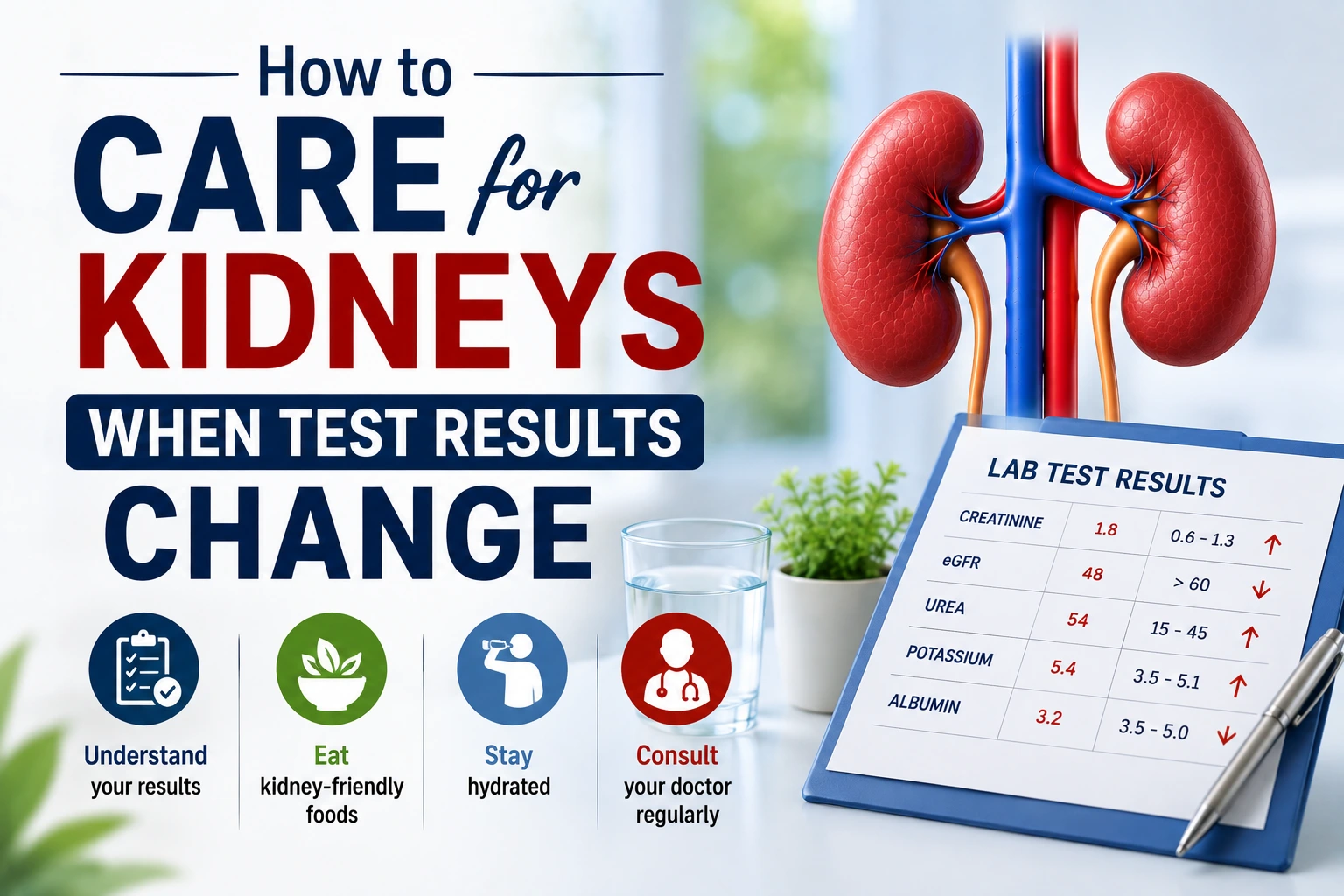

So your kidney numbers moved, and now you're refreshing WebMD at 1 AM? Breathe. Getting kidney disease help simply means knowing what changed, why it changed, and what small daily habits actually move the needle back.
Let's be honest; nobody wakes up excited to talk about creatinine levels. Kidney reports read like a secret code written by someone who really loves acronyms (eGFR, BUN, ACR; sounds like a group chat for accountants). But here's the thing: your kidneys are quietly filtering about 150 quarts of blood a day, which is basically a part-time job they never complain about. So when a test result shifts even a little, it's worth paying attention, not panicking.
Why Your Numbers Might Be Bouncing Around
First, a little relief: one "off" number is not a diagnosis; it's a data point. Dehydration, a big protein dinner, intense workouts, or even a common cold can nudge your readings. Doctors actually study this. A well-known UK-based project, the eGFR-C study published in BMC Nephrology, found that GFR readings naturally fluctuate depending on which testing method and marker (creatinine vs cystatin C) is used, meaning your "abnormal" number might just be normal biological wobble.
That said, patterns matter more than single snapshots. A study published in BMC Nephrology on diabetes and kidney function found that people whose eGFR values swung up and down repeatedly over time had a higher risk of kidney decline than those with steady numbers, even when their average reading looked fine. Translation: consistency in your renal function matters just as much as the number itself.
What To Actually Do When Results Look Off
Okay, action time. Here's your no-drama checklist:
-
Don't self-diagnose from Google at midnight. Book time with a kidney disease doctor instead; they'll look at trends, not just one test.
-
Recheck before reacting. One weird result often gets repeated within a few weeks to rule out lab error or temporary causes.
-
Hydrate like it's your job; not chugging gallons, just steady water intake through the day.
-
Cut back on the sodium avalanche. Chips, sauces, and "healthy" frozen meals are sneaky salt bombs.
-
Manage blood pressure and blood sugar. These two are basically the kidneys' frenemies; ignore them and your numbers wobble more.
-
Ask about your medications. Some painkillers and supplements are rougher on kidneys than they look on the label.
If two or more results trend the wrong way, or your doctor flags something specific, that's the moment to see a kidney specialist. They dig deeper; ultrasounds, additional bloodwork, sometimes a biopsy, to understand what's really going on rather than guessing from one report.
A Quick (and Slightly Funny) Comparison Table
|
Situation |
What It Probably Means |
What To Do |
|
One test slightly high, rest normal |
Probably dehydration or "I ate a steak the size of my face" |
Retest, hydrate, relax |
|
Numbers creeping up over months |
Trend worth watching |
See a doctor, track lifestyle habits |
|
Sudden big spike + symptoms (swelling, fatigue) |
Time to stop Googling and start calling |
Same-week appointment, no delays |
|
Consistently stable but "borderline" |
Your kidneys doing their quiet best |
Routine monitoring, healthy habits |
Everyday Kidney Care That Doesn't Feel Like a Chore
Good kidney care isn't about extreme detoxes or miracle juices (sorry, celery juice fans). It's boring, consistent stuff:
-
Regular movement; even walking counts
-
Balanced meals with less processed salt
-
Routine checkups instead of waiting for symptoms
-
Limiting NSAIDs unless a doctor says otherwise
-
Sleep; because everything falls apart without it
A study in Scientific Reports involving diabetic kidney disease patients emphasized that closely tracking fluctuations in protein levels (albuminuria) over time helped predict who was heading toward serious kidney decline; reinforcing that ongoing monitoring beats one-time testing every single time.
When Abnormal Numbers Deserve Real Attention?
Not every unusual reading is scary, but abnormal kidney test results paired with symptoms like puffy ankles, foamy urine, fatigue, or high blood pressure shouldn't be shrugged off. That combo is your cue to get proper kidney disease help rather than waiting it out.
Key Takeaways
-
One odd test result usually isn't an emergency; trends matter more
-
Retesting and hydration often clear up "scary" numbers
-
Sodium, blood pressure, and blood sugar directly affect kidney readings
-
See a specialist if numbers trend downward over multiple tests
-
Everyday habits protect kidneys better than any quick fix
FAQs
Can kidney test results go back to normal?
Yes, often they do; especially if the cause was temporary, like dehydration or a recent illness.
How often should kidney function be tested if results were abnormal?
Most doctors recommend retesting within a few weeks, then periodically based on the trend.
Does drinking more water fix kidney numbers?
It can help mild, dehydration-related changes, but it isn't a fix for underlying kidney disease.
Is one abnormal creatinine result a sign of kidney disease?
Not usually; one result is a data point, not a diagnosis.
When should I see a kidney specialist?
If results stay abnormal across repeat tests or come with symptoms like swelling or fatigue.
Disclaimer: This blog is for general informational purposes only and isn't a substitute for professional medical advice, diagnosis, or treatment. Always consult a qualified doctor or kidney specialist regarding your specific test results, symptoms, or health concerns before making any decisions.