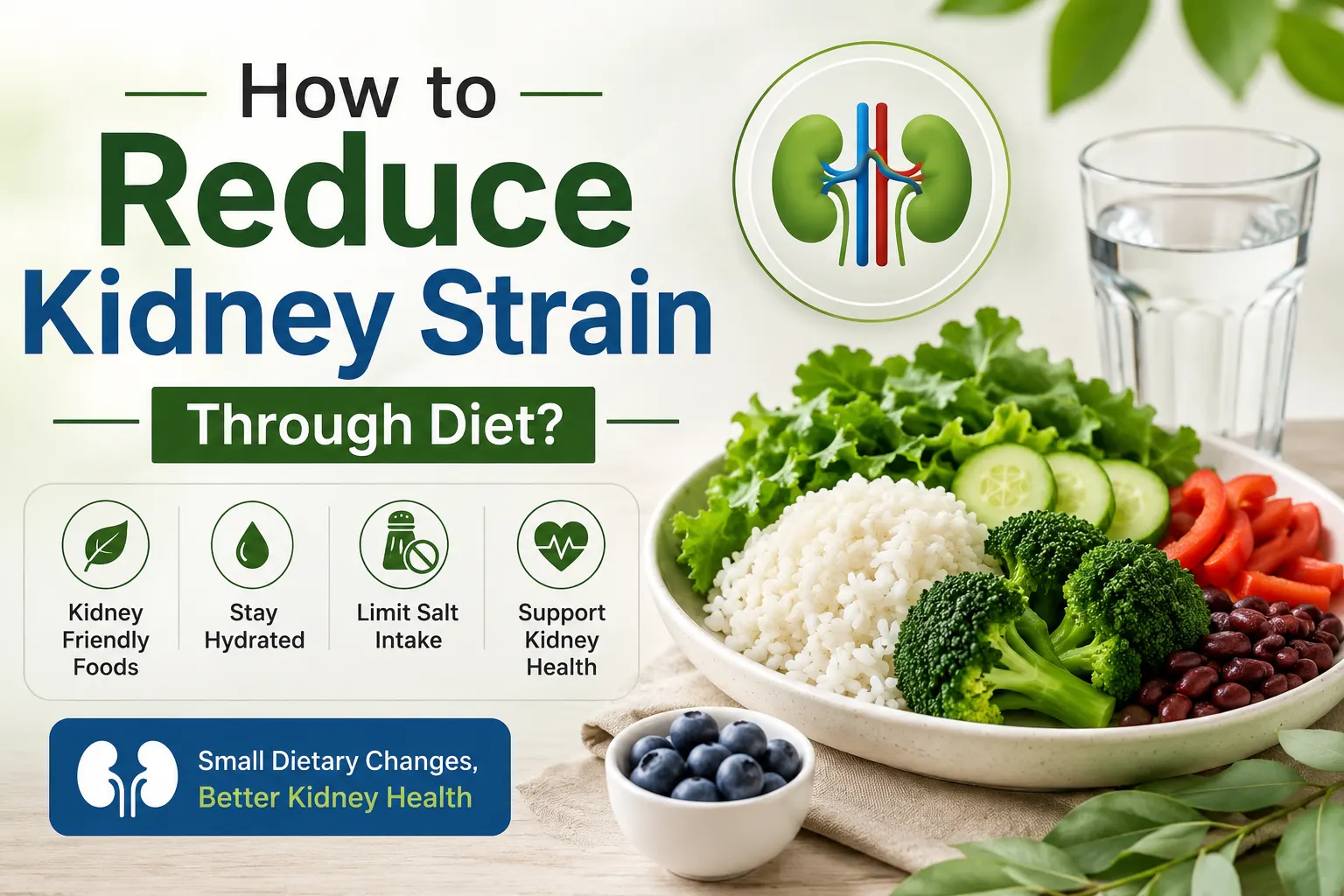

Imagine your kidneys as two fiercely dedicated, fist-sized bouncers working 24/7 in the exclusive club that is your body, filtering out trash and keeping the peace. If you want to make their grueling job easier, the secret lies right on your plate: reducing the workload of a kidney disease patient means swapping out heavy, processed, salt-laden foods for fresh, lower-sodium, and controlled-protein options.
Think about it. Every single day, these two little organs filter about 150 quarts of blood. That is a lot of fluid to audit! But when they get tired or damaged, they start struggling to clear the velvet rope line. If you are trying to figure out a diet to reduce kidney strain, you are essentially trying to give these tiny bouncers a well-deserved coffee break instead of tossing them into a chaotic, rowdy crowd.
The Great Kidney Drain: Why Food Changes Everything
When someone transitions into becoming a proactive kidney disease patient, the kitchen suddenly becomes the most important room in the house. Why? Because what you eat directly dictates how hard your kidneys have to work.
A fascinating study published in The American Journal of Clinical Nutrition (the "Plant-Based Diets for Kidney Health" study) pointed out that getting more of your nutrition from plant sources rather than heavy meats significantly lowers the acid load in your blood. Less acid means your kidneys don't have to pull an all-nighter just to balance your internal pH.
Let's break down the big three troublemakers that usually overwork our internal filtration system:
-
Sodium: The ultimate water-retention magnet. Too much salt hikes up your blood pressure, turning the smooth blood flow into a raging river that batters your kidney tissues.
-
Phosphorus: When kidneys slow down, phosphorus builds up in the blood, stealthily leaching calcium from your bones. Suddenly, you're dealing with fragile bones because of a mineral imbalance.
-
Potassium: Usually a hero for your muscles, but if it builds up too much because the kidneys can't clear it, your heart starts throwing a literal tantrum (arrhythmia).
Designing a Kidney-Friendly Masterpiece
Shifting to a kidney-friendly diet doesn't mean you are doomed to eat cardboard. It just means you need to become a bit of a food detective. You want foods that pack a nutritional punch without leaving behind a massive pile of metabolic garbage for your organs to clean up.
Berries, cauliflower, garlic, and olive oil are absolute rockstars in the world of renal health. They provide antioxidants and flavor without overloading your system with pesky minerals.
For people researching supportive approaches, Ayurvedic kidney disease treatment may also come up as an option. Ayurveda for kidney disease commonly emphasizes individualized diet and lifestyle practices, along with traditional herbs and other approaches. However, dietary needs can vary significantly depending on kidney function, medications, potassium and phosphorus levels, and other health conditions.
Some people also search for a natural treatment for kidney disease and look for dietary or herbal solutions. It's important to remember that "natural" doesn't automatically mean appropriate for every kidney disease patient. Any major diet change or herbal product should be discussed with a qualified healthcare professional, particularly if kidney function is reduced.
You may also see recommendations for the best herbs for kidney disease online. There isn't one universally suitable herb for everyone with kidney disease, and some herbs or supplements may interact with medications or affect kidney function. Individual guidance matters much more than a generic "best herbs" list.
To give you a clearer picture of what a menu makeover actually looks like, let’s look at this quick, no-nonsense breakdown of daily swaps:
|
The High-Strain VIPs (Limit These) |
The Kidney Chill Zone (Embrace These) |
Why Your Kidneys Will High-Five You |
|
Canned soups & fast food |
Fresh herbs & lemon zest |
Drops the sodium bomb entirely. |
|
Dark colas & packaged cheeses |
Water with berries & rice milk |
Slashes hidden phosphorus additives. |
|
Massive ribeye steaks |
Egg whites or small portions of chicken |
Keeps protein processing nice and easy. |
📞 Get a Kidney Health Consultation – Call Now!
Taking Control of the Long Game
Effective chronic kidney disease management isn't about a restrictive two-week crash diet; it is about building sustainable habits. According to the landmark Modification of Diet in Renal Disease (MDRD) Study, carefully monitoring and adjusting your daily protein intake plays a monumental role in slowing down the progression of kidney issues over time.
It turns out that slamming protein shakes like a bodybuilder forces the kidneys to filter out massive amounts of nitrogen waste. By pacing yourself and choosing high-quality, modest portions, you keep the filtration pressure perfectly manageable.
Prioritizing consistent kidney care means reading nutrition labels like they are scandalous gossip magazines. Look closely at the ingredients list for anything containing the word "phos"; that is code for hidden additives that will stress your system out.
Key Takeaways
-
Slash the Salt: Keep sodium low to protect your blood pressure and reduce physical stress on your kidneys.
-
Watch the Additives: Avoid processed foods with hidden phosphorus chemical preservatives.
-
Ditch the Dark Colas: They are packed with inorganic phosphorus that enters your bloodstream instantly.
-
Plant Power Helps: Incorporating more plant-based meals lowers the overall acid load on your body.
-
If considering Ayurvedic kidney disease treatment or a natural treatment for kidney disease, speak with your healthcare provider or renal dietitian first.
Frequently Asked Questions
Can a kidney disease patient drink as much water as they want?
Not always, because depending on the stage of your condition, your doctor might need to limit fluids to prevent uncomfortable swelling.
What is the easiest way to start a diet to reduce kidney strain tomorrow morning?
Put down the salt shaker and flavor your breakfast eggs with fresh herbs or a splash of fresh lemon juice instead.
Why is fast food so dangerous for someone focused on renal health?
Fast food is absolutely loaded with hidden sodium and phosphorus preservatives designed to keep it shelf-stable, which completely overworks your filtration system.
How does chronic kidney disease management affect my energy levels?
Eating the right foods keeps waste products from building up in your blood, which naturally helps prevent that heavy, sluggish fatigue.
Disclaimer
This blog is for informational and educational purposes only and should not be taken as professional medical advice. Every individual's body and medical needs are completely unique. Always consult with a qualified physician or a registered renal dietitian before making any significant changes to your daily diet or healthcare routine.