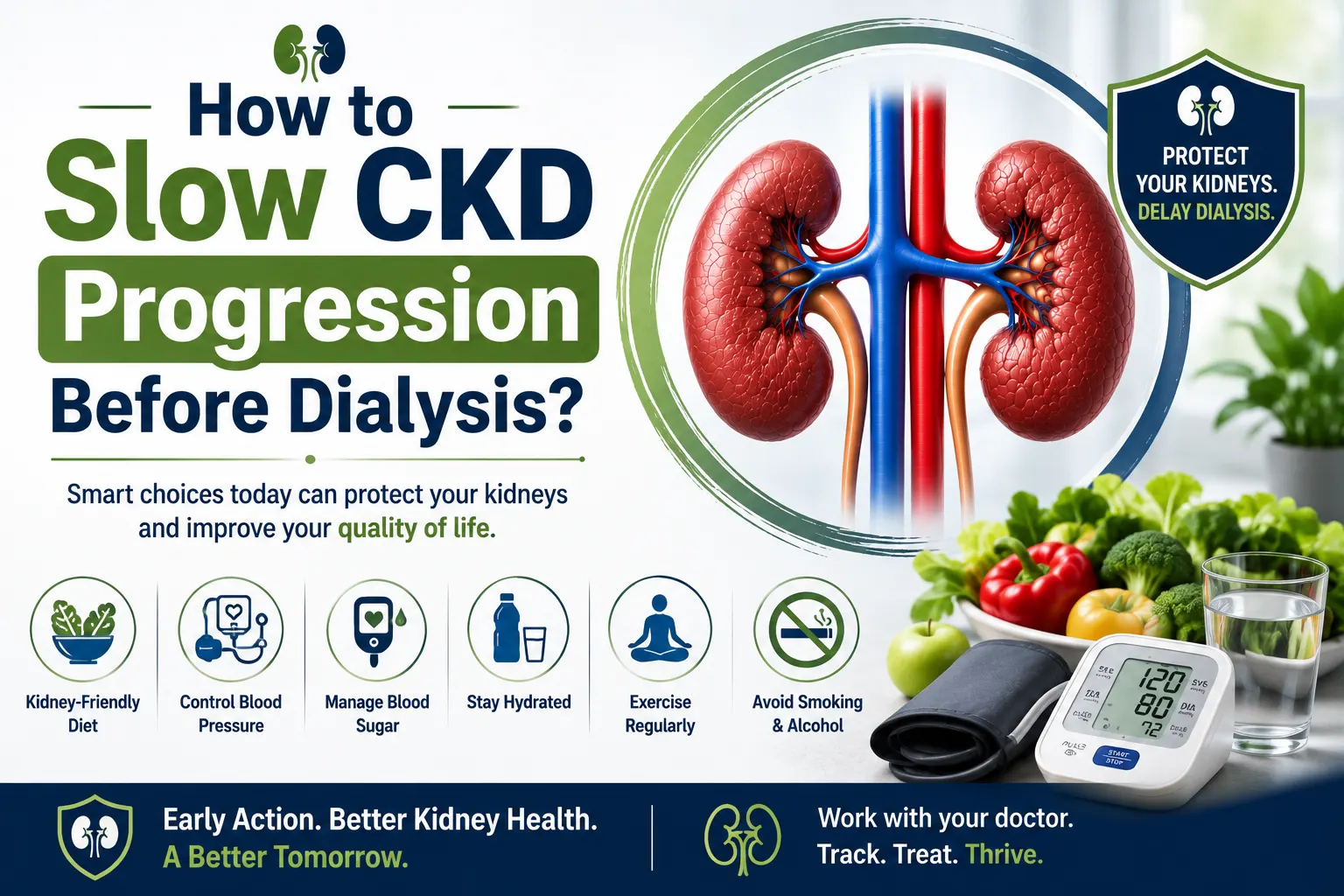

Can you actually slow down CKD before it gets to dialysis? Yes; with the right combo of blood pressure control, blood sugar management, diet tweaks, and a few smart medications, you can buy your kidneys years, sometimes decades, of extra working time. Dialysis isn't always the "next stop" the moment you get a chronic kidney disease diagnosis, no matter what Dr. Google's scariest tabs want you to believe.
Let's be honest; hearing the words "kidney disease" for the first time feels like your doctor just handed you a one-way ticket to a dialysis chair. Deep breath. That's not how this usually goes. Kidneys are weirdly stubborn organs. Even when they're down to a fraction of their function, they'll keep chugging along if you stop throwing punches at them. Think of your kidneys as that one office printer that's clearly seen better days but somehow still works if nobody touches the paper tray wrong.
What's Actually Damaging Your Kidneys (Besides Time)
Before we talk fixes, let's talk causes. The usual suspects behind CKD progression are:
-
Uncontrolled high blood pressure (the silent kidney-basher)
-
Diabetes with poorly managed blood sugar
-
Too much protein or sodium sneaking into your diet
-
Overuse of painkillers like NSAIDs (ibuprofen, we're looking at you)
-
Dehydration; yes, just not drinking enough water counts
The famous MDRD Study (Modification of Diet in Renal Disease) way back in the 1990s already showed that a lower-protein diet combined with tight blood pressure control could meaningfully slow the decline in kidney function. Old study, still relevant advice.
Blood Pressure: Your Kidneys' Best Friend or Worst Enemy
If there's one number to obsess over, it's your blood pressure. High blood pressure and kidney disease are basically in a toxic relationship; each one makes the other worse. The SPRINT trial found that keeping systolic blood pressure closer to 120 mmHg (instead of the older 140 mmHg target) reduced cardiovascular events significantly, and subsequent kidney-focused analyses suggested benefits for slowing renal decline too, especially when paired with the right medications.
Speaking of which, ACE inhibitors and ARBs aren't just blood pressure pills. Landmark trials like RENAAL and IDNT showed these drugs specifically protect kidney function in people with diabetic kidney disease by easing pressure inside the tiny filtering units (nephrons) of your kidneys. Basically, they give your kidneys a well-deserved coffee break.
The New Kid on the Block: SGLT2 Inhibitors
If you haven't heard of SGLT2 inhibitors yet, get ready, because this class of drugs (originally made for diabetes) has become a genuine game-changer for slowing CKD progression. The DAPA-CKD trial showed that dapagliflozin reduced the risk of kidney function decline, kidney failure, and even death in people with and without diabetes. That's a big deal in nephrology circles, kind of like when a backup dancer suddenly becomes the headliner.
Diet and Lifestyle: Boring But It Works
Nobody loves diet talk, but here's the deal: a kidney-friendly diet doesn't mean eating cardboard for the rest of your life. It usually means:
-
Watching sodium (processed food is the sneaky culprit)
-
Moderating protein intake (not eliminating it; moderating)
-
Keeping potassium and phosphorus in check as kidney function drops
-
Staying hydrated, but not overdoing it either
-
Quitting smoking; yes, it affects your kidneys too, not just your lungs
Quick Comparison: What Helps vs What Hurts
|
Kidney's Best Friends 🫶 |
Kidney's Frenemies 😬 |
|
Blood pressure control |
Chronic high BP |
|
SGLT2 inhibitors / ACE-ARBs |
Random NSAID popping |
|
Balanced, lower-sodium diet |
Salty snacks at 11pm |
|
Regular check-ups (eGFR tracking) |
Ignoring symptoms till they scream |
|
Good hydration |
Extreme dehydration or overhydration |
Key Takeaways
-
CKD progression can often be slowed significantly, even without reversing existing damage
-
Blood pressure control is arguably the single biggest lever you can pull
-
ACE inhibitors, ARBs, and newer SGLT2 inhibitors have strong trial evidence behind them
-
Diet matters, but it's about balance, not deprivation
-
Regular monitoring (eGFR, urine albumin) helps catch trouble early, before it snowballs
FAQs
Can CKD be reversed once diagnosed?
Usually not fully reversed, but its progression can absolutely be slowed way down with the right treatment plan.
Do SGLT2 inhibitors work even without diabetes?
Yes, studies like DAPA-CKD showed benefits for kidney protection even in people without diabetes.
Is a low-protein diet necessary for everyone with CKD?
Not necessary for everyone; it depends on the stage of CKD and should be personalized with a doctor or dietitian.
How often should someone with CKD get their kidney function checked?
Typically every 3 to 6 months, though your nephrologist may adjust this based on how stable things are.
Does drinking more water help slow CKD?
Staying properly hydrated helps, but drinking excessive water doesn't offer extra protection and can sometimes cause its own problems.
Disclaimer
This blog is for general informational purposes only and isn't a substitute for professional medical advice, diagnosis, or treatment. Kidney disease management varies from person to person, so please consult a nephrologist or your healthcare provider before making any changes to your diet, medications, or lifestyle.