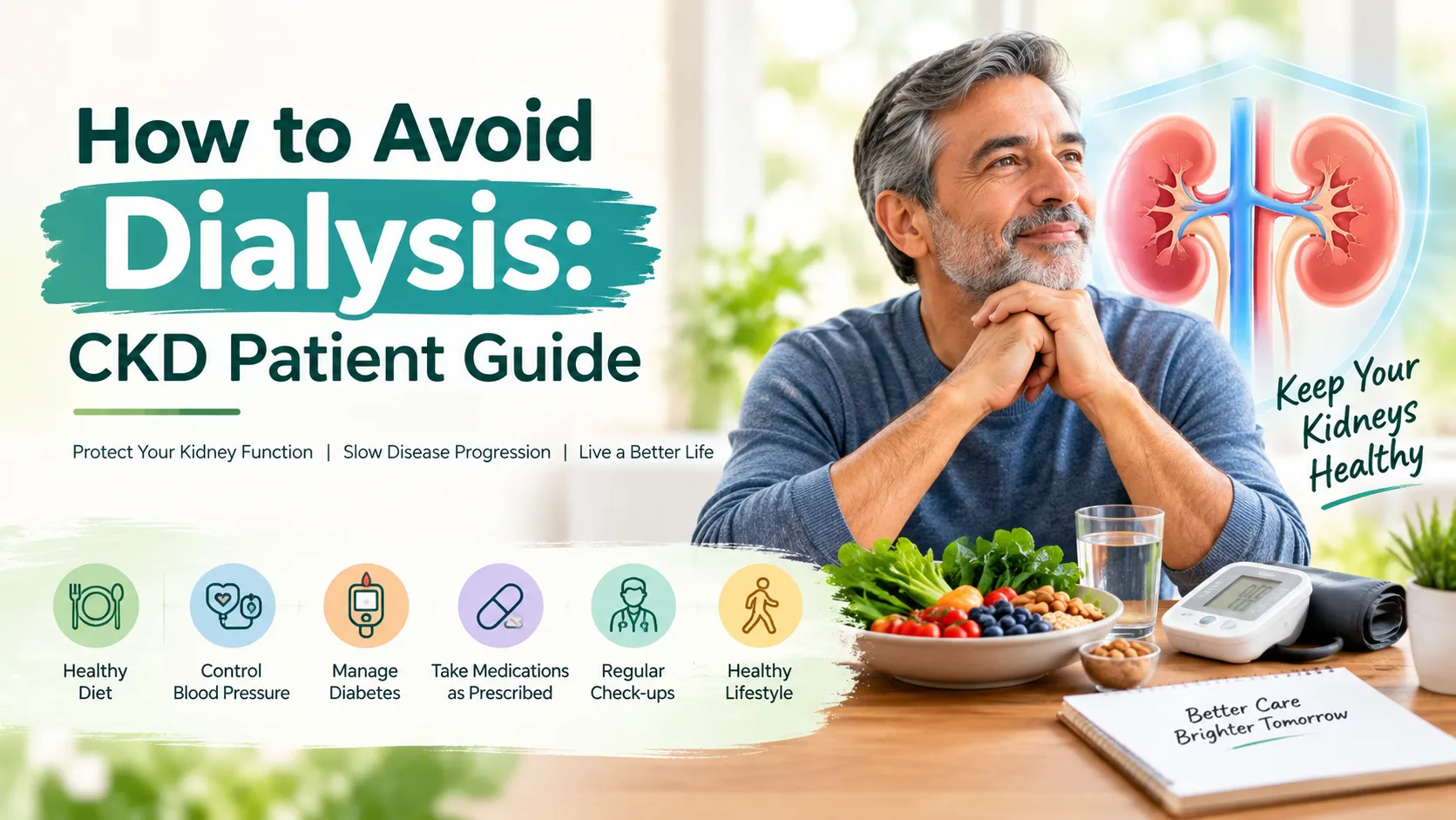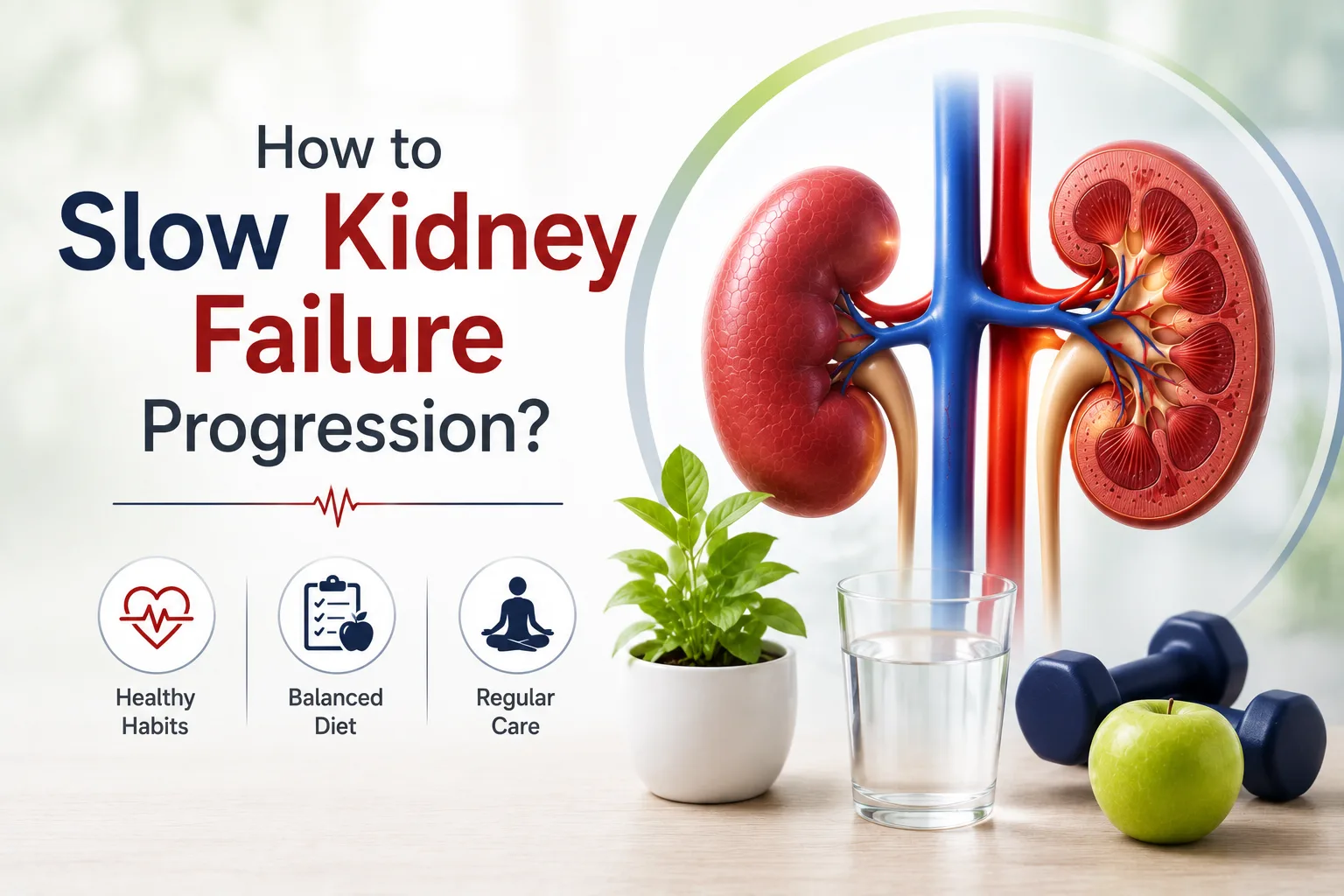

You slow kidney failure progression by controlling blood sugar and blood pressure, cutting back on salt and excess protein, staying on top of your medications (especially the newer kidney-protective ones), and catching problems early with regular check-ups. That's the short answer. Now let's talk about how to actually pull it off without turning your life into a bland, joyless science experiment.
If you or someone you love just heard the words "chronic kidney disease" from a doctor, first things first: take a breath. A CKD diagnosis is not a countdown clock. Your kidneys are basically overachieving, silent little filtration factories that work 24/7 without asking for a raise, and even when they start slowing down, there's a LOT you can do to keep them chugging along for years, sometimes decades.
What's Actually Happening When Kidneys "Fail"?
Kidney failure doesn't happen overnight (unless it's the rare acute kind). It's usually a slow leak; like a tire that's losing air gradually instead of blowing out. Chronic kidney disease (CKD) progresses through stages based on your eGFR (estimated glomerular filtration rate, basically your kidney's grade on a filtering exam). The goal of everything below isn't to "cure" CKD; for most people, that's not realistic; but to slow kidney disease progression enough that dialysis or transplant gets pushed way, way down the road, or avoided altogether.
The Big Levers That Actually Move the Needle
-
Control blood sugar like it owes you money. Diabetes is the single biggest cause of kidney damage worldwide. Tight glucose control protects the tiny blood vessels inside your kidneys.
-
Keep blood pressure in check. High blood pressure and kidney disease are basically frenemies; each one makes the other worse. Most nephrologists aim for blood pressure readings below 130/80 for CKD patients.
-
Go easy on sodium. Less salt means less fluid retention, which means less strain on kidneys that are already working overtime.
-
Don't overdo protein. Older research, including the well-known MDRD study, found that moderating protein intake can ease the workload on damaged kidneys, though this should always be personalized with a renal dietitian rather than DIY'd.
-
Ask your doctor about SGLT2 inhibitors. This one's the current MVP of nephrology. Large trials such as DAPA-CKD and EMPA-KIDNEY found that this class of medication meaningfully reduced the risk of kidney function decline, kidney failure, and cardiovascular death; and, surprisingly, the benefit showed up in people without diabetes too. A follow-up meta-analysis pooling more than a dozen trials found roughly a one-third reduction in the risk of kidney disease progression across a wide range of patients.
-
Skip the kidney-unfriendly painkillers. Regular, heavy use of NSAIDs (ibuprofen, naproxen) can quietly chip away at kidney function over time.
-
Quit smoking, because kidneys hate cigarettes almost as much as your lungs do.
-
Stay hydrated, but don't overcorrect. More water isn't always better once kidney function is already reduced; talk to your doctor about your personal fluid targets.
A Quick (Slightly Judgmental) Comparison Table
|
Habit |
Kidney's Reaction |
Verdict |
|
Daily walk + veggies |
"Finally, someone respects me" |
Kidney's best friend |
|
Extra-large fries, no questions asked |
"Sodium AGAIN?" |
Kidney side-eye |
|
Skipping blood pressure meds "because I feel fine" |
"Feeling fine ≠ being fine" |
Do not do this |
|
Ibuprofen every day for years |
"I did NOT sign up for this" |
Ask your doctor |
|
Regular check-ups and bloodwork |
"Someone's actually watching my back" |
Chef's kiss |
Why "Early" Is the Magic Word
Here's the honestly annoying truth about kidney disease management: the earlier you catch and manage it, the more options you have. Kidneys are surprisingly good at compensating; you can lose a lot of function before you feel any symptoms at all, which is exactly why routine bloodwork (checking creatinine and eGFR) and urine tests (checking for protein, i.e., albuminuria) matter so much, especially if you have diabetes, high blood pressure, or a family history of kidney disease.
Key Takeaways
-
Slowing kidney failure progression comes down to controlling blood sugar, blood pressure, and sodium intake consistently over time.
-
Newer medications like SGLT2 inhibitors have strong trial evidence (DAPA-CKD, EMPA-KIDNEY) behind their kidney-protective effects.
-
Moderating protein intake helps, but should be guided by a renal dietitian, not internet guesswork.
-
Avoid regular heavy use of NSAIDs and don't skip prescribed blood pressure medication.
-
Regular monitoring (eGFR, urine albumin) catches problems while you still have plenty of runway.
FAQs
Can kidney damage be reversed once it starts?
Usually not fully, but slowing it down and stabilizing function is very achievable for most people.
Does drinking more water protect your kidneys?
Staying hydrated helps healthy kidneys, but once function is reduced, more water isn't automatically better; ask your doctor for your personal target.
Is a low-protein diet necessary for everyone with CKD?
No, protein needs depend on your CKD stage and should be personalized with a renal dietitian, not a blanket rule.
Do SGLT2 inhibitors only help people with diabetes?
No, major trials found kidney-protective benefits even in people without diabetes.
How often should someone with CKD get their kidney function checked?
Typically, every 3 to 12 months depending on CKD stage, but your nephrologist will set the right schedule for you.
Disclaimer
This blog is for general informational purposes only and isn't a substitute for professional medical advice, diagnosis, or treatment. Kidney disease management is highly individual; always consult a nephrologist or qualified healthcare provider before making changes to your diet, medications, or lifestyle.