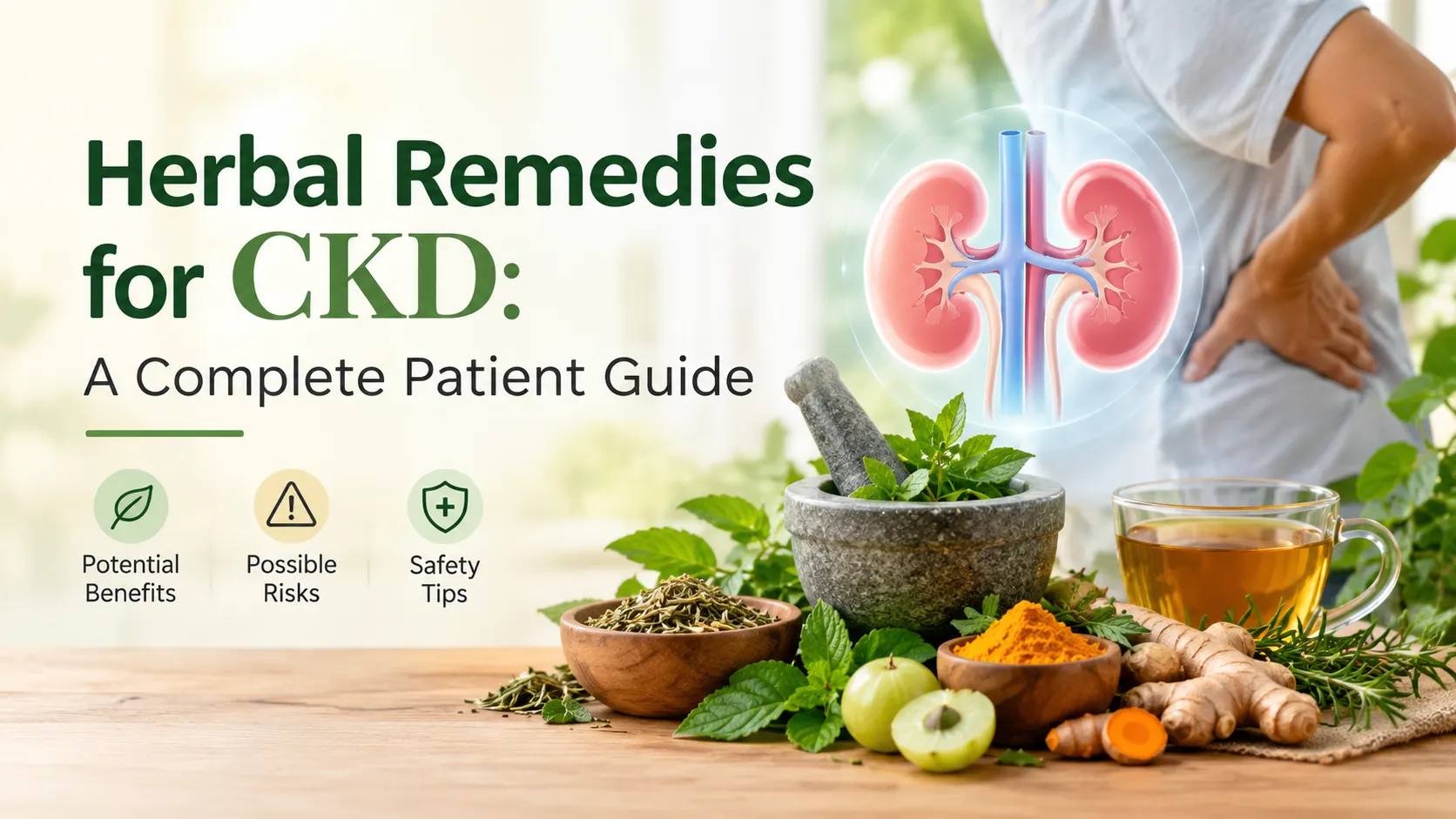
There are 10 natural remedies to ease symptoms of kidney stones and help pass small stones. However, you should know that none of these will dissolve large stones magically overnight. Water, lemon, a bit of exercise, and a proper diet are the most popular remedies. Fast relief depends on the size of the stones you have.
If you are reading this in the middle of horrible kidney stone pain, jump right away to the red flags listed below. Everybody else, get a glass of water for yourself. You'll see why soon.
First, What's Really Going On in My Belly?
The stones are formed when minerals and salts in the urine crystallize. Usually, this type of crystal is called calcium oxalate. Small stones (less than 5 mm in diameter) pass away on their own, although it is not a very gentle process. Larger stones require medical attention.
The 10 Remedies, Honestly Ranked
- Increase water intake. Aim to drink about 2.5 litres a day (the amount may vary for people).
- Squeeze lemon. Citrate in lemons helps to stop the formation of crystals.
- Use basil tea. One of my favorites. However, there is a lack of evidence from humans.
- Take pomegranate juice. It is a common suggestion, but there is only little evidence.
- Make sure to eat foods rich in calcium. Calcium binds oxalate in your digestive system.
- Stop the use of salt in your daily diet.
- Reduce your intake of animal protein – Too much of it can cause the risk of kidney stones.
- Take special attention to the high oxalate foods. The usual culprits include spinach, almonds, and beetroot in huge quantities.
- Move your body. Walking and jumping around will help to move the stone along.
- Use a heating pad. It will not help to shrink the stone, but you will feel much better.
What Research Says
According to the recommendations by the American College of Physicians (Qaseem et al., 2014, Annals of Internal Medicine), it is advisable to increase the amount of fluid intake to produce at least 2 litres of urine daily and prevent recurrence of kidney stones. Borghi et al. (2002, New England Journal of Medicine) published results of the trial, according to which the diet that is normal-calcium, low-salt, and low-protein reduces the risk of stone recurrence more than the diet that is low-calcium. It was also found in the review by Aras et al. (2008, Urological Research) concerning citrus and citrate therapy that lemonade therapy might increase urinary citrate levels, although the necessity of conducting further research is evident.
So it looks like boring food (water, salt, balanced diet) has the best results.
Best Herbal Remedies for Kidney Stones
Many people are looking for the best herbal remedies for kidney stones. What can be offered to them?
- Pashanbhed (Bergenia ligulata): the name itself means "stone breaker" in Sanskrit.
- Gokshura: traditionally used for the treatment of prostate disorders.
- Horse gram (kulthi): used in folk practice.
- Chanca Piedra (Phyllanthus niruri): There is some evidence that it can help, but the results are not conclusive.
Evidence is still very early, and the list is just some points for discussion with your doctor.
Best Fruits for Kidney Stone Patients
Among other fruits that are good for patients with kidney stones, citrus fruits (especially lemons and oranges) are the most beneficial. They help to increase the amount of citrate in urine. Other fruits like melons and berries will be beneficial as well. However, you should reduce the intake of rhubarb and star fruits that contain a large amount of oxalate.
- Remedy
- What we know
- Honest funny note
- Water
- Strong evidence
- Boring, free and annoyingly effective
- Lemon
- Moderate evidence
- Sour face, happy stones
- Herbal tea
- Limited evidence
- Smells nice, evidence is loading
Ayurveda and Your Plan
Kidney stones Ayurvedic treatment usually comprises diet recommendations, hydration, and herbs picked up based on the patient's body type and stone history. For example, Karma Ayurveda with Dr. Puneet Dhawan leads the way with his personalized approach instead of a random internet-based one.
Everyday Habits for Long-Term Prevention
The best way to manage renal stones at home consists of taking particular herbs for several days. It might sound a bit dull, but at best:
- Hydrate your body throughout the day.
- Eat fewer salty snacks, processed snacks, and sweet drinks.
- Consume a lot of calcium-rich food in your diet.
- Discuss all herbs and supplements with your doctor first.
When It's Time to Stop Googling and Make an Appointment with a Doctor
Go to the hospital immediately if you have fever, chills, vomiting, blood in the urine, or unbearable pain that makes you unable to sit still. Don't try to treat a kidney stone with an infection by yourself.
Key Takeaways
- Water is the real MVP of stone care.
- Lemon, calcium-balanced meals, and less salt help prevent stones.
- Herbs show promise but lack strong proof.
- Large stones or fever need medical attention fast.
- Personalised guidance beats generic internet advice.
📩 Ask a Kidney Expert (Free 10-Min Consultation)
FAQs
Can natural remedies dissolve kidney stones?
Some help small stones pass or stop new ones, but big ones usually need a doctor.
How much water should I drink with kidney stones?
Enough to keep your urine pale, often 2.5 litres a day unless your doctor says otherwise.
Is lemon water good for stones?
It may help by raising citrate, so squeeze away.
Should I avoid calcium if I have stones?
Nope, dietary calcium actually helps, but calcium supplements need your doctor’s okay.
Are herbal remedies safe for kidney stones?
Some may be fine, others aren’t, so check with a professional first.
Disclaimer
This article is for general information only and isn’t medical advice, diagnosis, or treatment. Stone causes and sizes vary. Please consult a qualified doctor before starting herbs or supplements, changing your diet, or delaying treatment for severe pain, fever, or blood in urine.