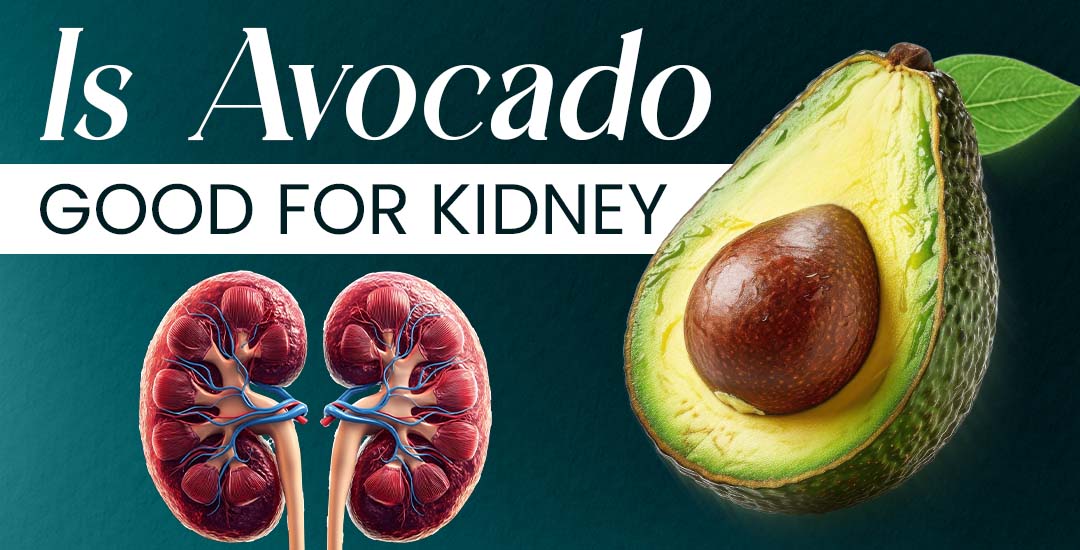

When you are dealing with kidney issues, your diet suddenly feels like a high-stakes game of Minesweeper. One day you’re enjoying a salad, and the next, your doctor is looking at your blood work like you’ve been eating lead pipes for breakfast. Among the many villains and heroes in the kidney diet world, the avocado sits in a very weird, green, buttery middle ground. Today, we are going to peel back the skin on this mystery of avocado kidney health, literally and figuratively, and find out if your favorite dip is a friend or a foe to those hardworking bean-shaped organs in your back.
Nutritional Profile of Avocado
Let us get one thing straight: the avocado is a nutritional overachiever. If it were a student, it would be the one who reminds the teacher to assign homework. It is packed with monounsaturated fats, which are the "good" kind of fat that makes your heart sing and your skin glow. It also brings a hefty dose of fiber to the party, helping your digestion move along like a well-oiled machine.
However, the avocado has a secret. Beneath that bumpy exterior, it is hiding a massive amount of potassium. In a standard, medium-sized avocado, you are looking at roughly 700 to 900 milligrams of potassium. To put that in perspective, that is more than a banana. Yes, the banana, the fruit everyone thinks is the king of potassium, is actually just a prince compared to the avocado. It also contains Vitamin K, Vitamin E, and various B-vitamins. It is basically a multivitamin that grows on a tree, which sounds great until you realize that for kidney patients, "more" isn’t always "better."
Is Avocado Good for Kidney
For a person with perfectly healthy kidneys, avocados are fantastic. Your kidneys are like a high-end filtration system that easily flushes out extra potassium. In that case, the avocado helps lower blood pressure and keeps your heart happy, which indirectly keeps your kidneys from having to work too hard.
But if your kidneys are currently on a "reduced work schedule" (also known as chronic kidney disease), they struggle to filter out that mountain of potassium we just talked about. When potassium builds up in your blood, it can lead to some scary heart issues. So, is it "good"? No, because it is quite high in potassium.
Is Avocado Safe for Kidney Disease Patients
Safety is relative. If you eat a single thin slice of avocado on a sandwich, you probably aren't going to keel over. The danger is in the serving size. Most people don't eat a "serving" of avocado; they eat the whole thing. A whole avocado is a potassium grenade for someone on a restricted diet.
Is it safe? In small, measured amounts and under the guidance of a dietitian, it can be. But for many, especially those on dialysis or in Stage 4 or 5 of kidney disease, the "safe" amount is so small it might just make you sad to look at it. If your potassium levels are already high, the answer is generally a firm "not right now."
Can Kidney Patients Eat Avocado
The short answer is: no, because it is quite high in potassium. You have to look at your "potassium budget" for the day. If you choose to have that tiny bit of avocado, you might have to skip the potato at dinner and the banana in your morning smoothie. It is all about math, which I know is exactly what everyone wants to do while they are trying to enjoy lunch. Always check with your medical team before you conduct any green-colored experiments on your body.
Best Fruits for US Kidney Patients
For patients in the US, the "Renal Diet" is a common phrase. We live in a land of giant portions and hidden salts, so finding the right fruits is key. If you are looking for fruits that won't make your nephrologist sweat, you should look toward the "A-B-C" rule: Apples, Berries, and Cherries.
-
Apples: The ultimate kidney-safe snack.
-
Blueberries and Strawberries: Low in potassium and high in antioxidants.
-
Grapes: Great for hydration and low in the "scary" minerals.
-
Pineapple: A tropical treat that is surprisingly low in potassium compared to other island fruits.
The avocado, unfortunately, sits on the "naughty list" for many US kidney patients alongside its cousins, the banana and the orange. It is the popular kid that you aren't allowed to hang out with anymore, because it belongs to the list of potassium foods kidney disease.
Conclusion
In the end, the avocado is like that one friend who is incredibly fun but always gets you into trouble. It is packed with nutrients, tastes like a dream, and makes everything from toast to tacos better. But for the kidney-conscious individual, it is a fruit that requires a lot of respect and even more caution.
Disclaimer: Please consult an expert like Dr. Puneet Dhawan if you have severe renal issues. Do not make any drastic changes to your diet just because you have read something online.
FAQ
Is avocado good for kidney?
Yes, but in moderation, avocado is healthy, though high potassium can be an issue for kidney patients.
Is avocado good for kidney repair?
No food can “repair” kidneys, but avocado provides nutrients that support overall health.
What is the healthiest food for kidneys?
Fresh fruits, vegetables, and low-sodium foods like apples, berries, and leafy greens are great choices.
What organ is avocado good for?
Avocado is especially good for the heart, thanks to its healthy fats and nutrients.