
Short answer: ghee, in small amounts, is usually fine for most kidney patients; but "how much" and "what stage" matter more than the ghee itself. Now let's talk about why your grandmother's favorite ingredient causes so much confusion at the dinner table.
If you've ever seen an Indian household argue about food, chances are ghee was involved. One aunty swears a spoon of it a day keeps her joints happy. Another cousin insists it's basically liquid trouble for anyone with weak renal function. Meanwhile, you're stuck in the middle, staring at your dal, wondering if that golden drizzle is healing you or slowly working against you.
Let's settle this once and for all, with facts, a bit of humor, and zero judgment about how much you love that ghee-soaked paratha.
First, What Exactly Is Ghee?
Ghee is clarified butter; butter that's been simmered until the water evaporates and the milk solids are removed, leaving behind pure, golden fat. It's been a staple in Indian kitchens (and in Ayurvedic kidney treatment traditions) for thousands of years, used in cooking, religious rituals, and yes, occasionally as a cure-all suggested by well-meaning relatives.
Nutritionally, ghee is:
- Almost 100% fat (mostly saturated fat)
- Lactose and casein-free (good news for the lactose-intolerant crowd)
- Rich in fat-soluble vitamins A, D, E, and K
- Free of the harmful trans fats found in many processed cooking oils
So far, it sounds like a health food ad. But here's where things get more nuanced for anyone managing renal disease.
Why Kidney Patients Need to Think Twice Before Every Spoonful
People navigating chronic kidney disease (CKD) usually need to watch three things closely: protein intake, sodium, and; this is the important bit; overall calorie and fat balance, especially if they're also dealing with high cholesterol, obesity, or heart-related complications, which are extremely common alongside renal issues.
Here's the thing about ghee: it doesn't contain protein, potassium, phosphorus, or sodium; the usual suspects that kidney patients are told to limit. In that sense, it's actually a relatively "safe" fat compared to things like processed cheese or salted butter. But it's calorie-dense (about 120 calories per tablespoon), and if your renal specialist has already asked you to watch your weight or your lipid profile, unlimited ghee is not your friend.
A study published in the Journal of the American College of Cardiology found that different types of saturated fats affect cardiovascular risk differently, and traditional fats like ghee, when consumed in moderation, don't automatically spike bad cholesterol the way trans fats do. But "moderation" is doing a lot of heavy lifting in that sentence.
So... Good or Bad? Let's Break It Down
Think of ghee like a good friend who overstays their welcome at 2 AM; lovely in small doses, exhausting in excess.
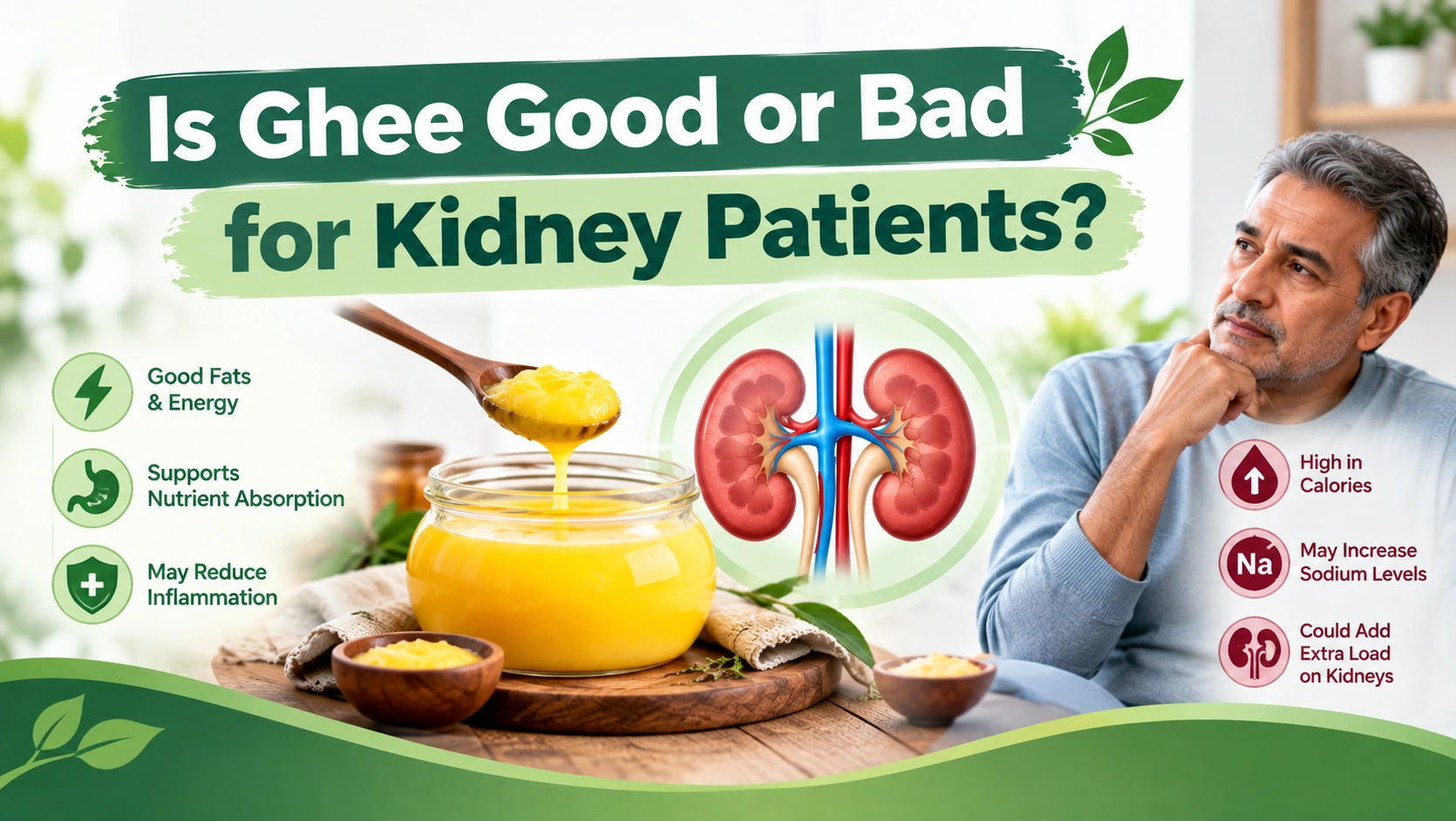
Ghee may actually help when:
- You need concentrated calories because you're underweight (common in advanced kidney disease)
- You need a dairy option without lactose or casein
- You're looking for a natural fat that doesn't carry the sodium, potassium, or phosphorus baggage of many processed foods
- You're following Ayurvedic principles that use ghee to aid digestion and nutrient absorption
Ghee may work against you when:
- You have high triglycerides or are managing cardiovascular risk alongside renal disease
- You're already overweight, since extra calories mean extra strain
- You're consuming it in generous, "true Punjabi household" quantities rather than a modest teaspoon
- Your dietitian has specifically asked you to reduce total fat due to other conditions
The takeaway? It's not really "is ghee bad for kidney patients"; it's "how much ghee, how often, and alongside what else."
A Quick (and Honestly Fun) Comparison Table
|
Fat/Oil |
Sodium & Potassium Load |
Kidney-Friendliness |
Our Honest Verdict |
|
Ghee |
Zero sodium, zero potassium |
Good in small amounts |
The reformed bad boy; fine if you don't overdo it |
|
Butter (salted) |
High sodium |
Not ideal |
Salty troublemaker, best avoided |
|
Refined vegetable oil |
None, but often processed |
Neutral, but low nutrition |
The bland roommate; harmless, forgettable |
|
Olive oil |
None |
Excellent |
The overachiever everyone recommends |
|
Coconut oil |
None |
Moderate, high saturated fat |
Tropical vibes, but don't go overboard |
Basically, if fats were guests at a dinner party, ghee wouldn't be the one causing a scene; but it also shouldn't be allowed to finish the whole bottle of wine by itself.
What Does Ayurveda Say About Ghee and Renal Health?
In Ayurveda, ghee (especially cow's ghee) is considered a "sattvic" food; pure, nourishing, and beneficial for ojas (vital energy). Practitioners following kidney disease Ayurvedic treatment approaches often use ghee in small, medicinal quantities, sometimes infused with herbs, believing it helps carry nutrients deeper into tissues and supports digestion (or "agni," the digestive fire).
Dr. Puneet Dhawan, a well-known name in the Ayurvedic renal care space and associated with Karma Ayurveda for kidney disease treatment, has spoken about how traditional Indian diets, when personalized correctly, can support renal wellbeing without the harsh side effects sometimes associated with heavier medical interventions. Ayurvedic philosophy typically doesn't villainize ghee outright; it emphasizes matra (quantity) and individual constitution (prakriti) over blanket rules.
That said, Ayurvedic guidance is meant to complement, not replace, regular checkups, blood work, and advice from your nephrologist. Think of it as a supporting actor, not the lead.
Best Herbs for Kidneys in Ayurveda (Because You Asked)
While we're on the Ayurveda topic, a few herbs frequently mentioned alongside a kidney-conscious lifestyle include:
- Punarnava – traditionally used to support fluid balance
- Gokshura – often associated with urinary tract comfort
- Varun – used in traditional formulations for renal wellness
- Palash – sometimes included in detox-focused herbal blends
These are typically recommended under professional guidance rather than as DIY additions, so please don't raid an Ayurvedic pharmacy based on a blog post (even this one).
Building a Genuinely Kidney-Friendly Diet Plan
If you're trying to put together a realistic kidney-friendly diet plan, ghee is just one small piece of a much bigger puzzle. Here's a broader picture of what tends to help and what tends to hurt.
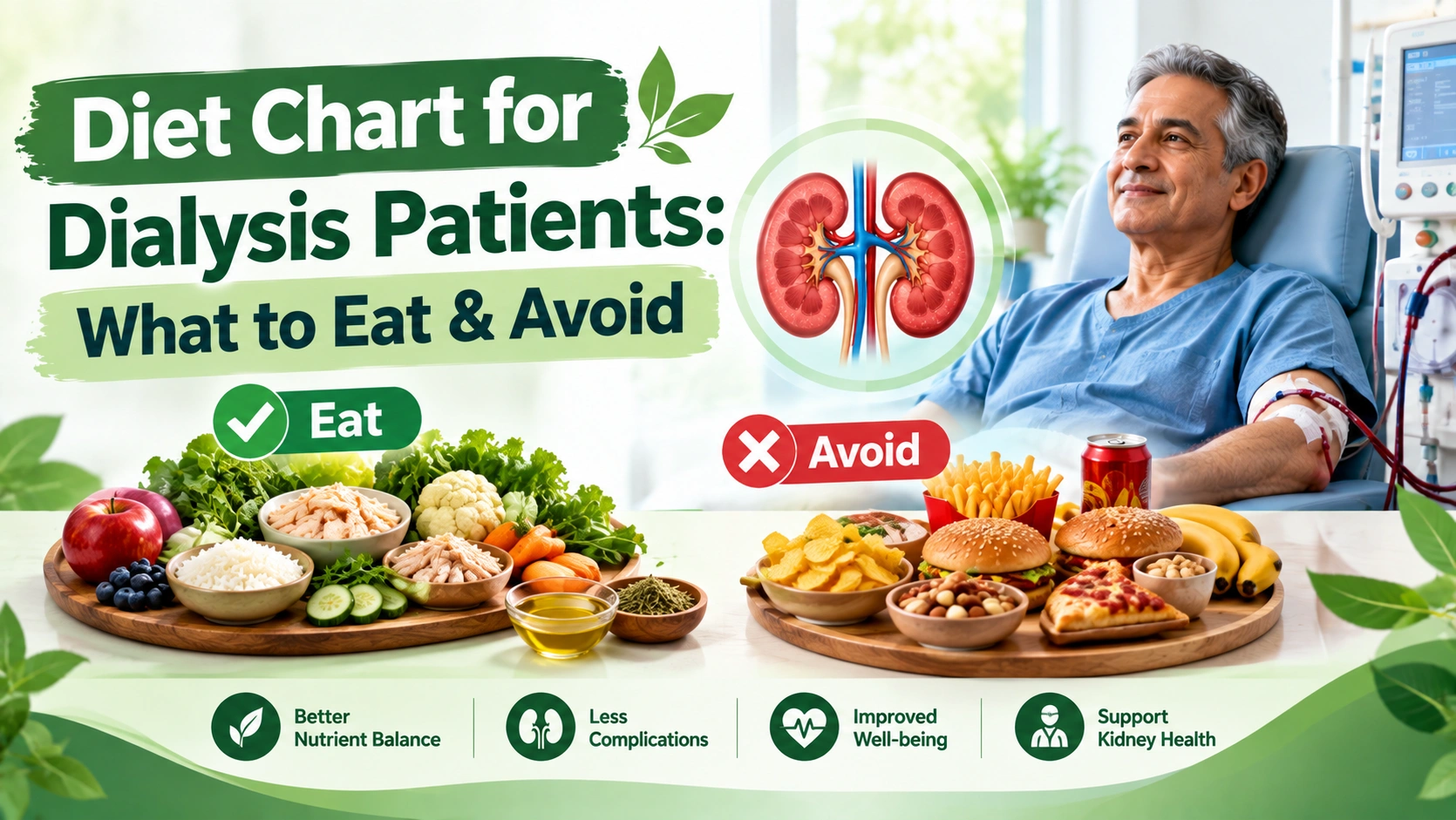
Best foods for kidneys generally include:
- Cauliflower, cabbage, and bell peppers (low potassium veggies)
- Apples and berries
- Egg whites (protein without the phosphorus overload)
- Garlic and onions for flavor without sodium
- Olive oil and, yes, ghee; used sparingly
Worst foods for kidney patients typically include:
- Processed and packaged snacks (sodium bombs)
- Bananas, oranges, and potatoes in excess (high potassium)
- Dairy in large quantities (phosphorus overload)
- Red meat in large portions
- Pickles, papads, and salty condiments (an Indian kitchen's favorite offenders)
A study in the Clinical Journal of the American Society of Nephrology emphasized that individualized dietary planning, rather than one-size-fits-all restriction, leads to better long-term outcomes for CKD patients, which basically confirms what your dietitian has been telling you all along: your plate isn't the same as your neighbor's plate, even if you're both managing the same condition.
Natural Treatment for Kidney Disease: Where Ghee Fits In
When people search for natural treatment for kidney disease, they're often hoping for one magic ingredient that fixes everything. Unfortunately (and this is the least fun sentence in this entire blog), there isn't one. Natural approaches; Ayurvedic herbs, dietary adjustments, hydration, stress management, and appropriate use of ingredients like ghee; work best as a combined lifestyle approach, alongside regular medical monitoring.
Ghee isn't a treatment. It's not a villain either. It's a cooking fat with a long cultural history that, used sensibly, doesn't need to be feared.
Key Takeaways
- Ghee is not high in sodium, potassium, or phosphorus, making it relatively safer than many other fats for kidney patients
- Portion control matters far more than complete avoidance
- People with high cholesterol or weight concerns should be extra cautious with quantity
- Ayurvedic traditions view ghee positively when used in the right matra (amount)
- A well-rounded kidney friendly diet plan matters more than obsessing over one ingredient
- Always consult your nephrologist or an Ayurvedic expert like Dr. Puneet Dhawan before making major dietary changes
📩 Ask a Kidney Expert (Free 10-Min Consultation)
FAQs
Is ghee bad for kidney patients?
Not inherently; a small daily amount is generally considered safe unless your doctor has advised otherwise due to cholesterol or weight concerns.
How much ghee can a kidney patient eat in a day?
Most experts suggest keeping it to about half a teaspoon to one teaspoon a day, depending on your overall health profile.
Is ghee better than butter for renal health?
Yes, largely because ghee has no salt and less lactose, making it gentler on digestion and sodium levels compared to regular butter.
Can Ayurveda help manage kidney disease naturally?
Ayurveda can support renal wellness through diet, herbs, and lifestyle changes, but it works best alongside regular medical care, not instead of it.
What are the best foods for kidneys besides ghee?
Low-potassium vegetables, apples, berries, garlic, and egg whites are widely considered kidney-friendly staples.
Disclaimer
This blog is for general informational purposes only and isn't a substitute for professional medical advice. Kidney conditions vary widely from person to person, so please consult your nephrologist, dietitian, or an Ayurvedic practitioner like Dr. Puneet Dhawan before making dietary or lifestyle changes.