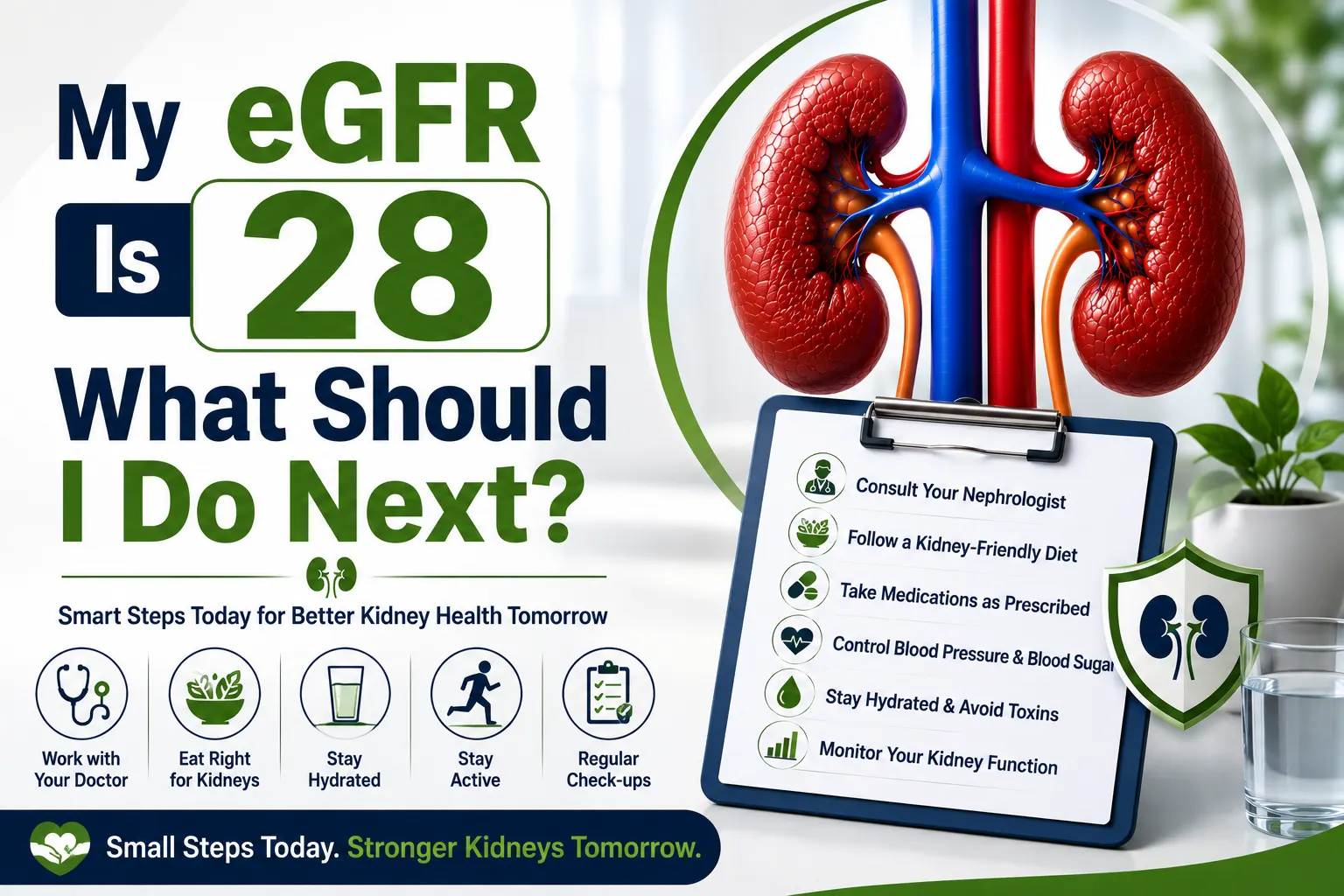

An eGFR level of 28 means you are at Stage 4 chronic kidney disease (CKD), so your next step is to see a nephrologist immediately to build a personalized action plan. While that number might look scary on a lab report, it is a warning light, not an end-of-the-road sign; and there is plenty you can do right now to protect your kidney health.
Let’s take a deep breath. First off, welcome to the "My Lab Results Surprised Me" club. It’s a group nobody actively applies to join, yet millions of us find ourselves here anyway. Finding out your estimated glomerular filtration rate (eGFR) has dropped into the 20s can feel like your body sent you an unexpected push notification saying, "System Update Required." But here’s the good news: having an eGFR of 28 means your kidneys are still doing roughly 28% of their filtration work, which is plenty of function to work with while you take action.
What Does an eGFR of 28 Actually Mean?
Think of your kidneys as your body’s internal coffee filters. When they are brand new, they zip through water and strain out the grounds effortlessly. An eGFR score estimates how many milliliters of blood those tiny internal filters clean every minute, adjusted for your body size.
An eGFR reading of 28 lands in the Stage 4 chronic kidney disease bracket (which ranges from 15 to 29). It means your filters have picked up some wear and tear over time; usually courtesy of long-term high blood pressure, diabetes, or just bad genetic luck.
Is it time to panic? Absolutely not. Panic doesn't filter blood, and it certainly won't lower your creatinine levels. Instead, it’s time to assemble your medical pit crew and make a few strategic adjustments to slow down any further eGFR decline.
Action Plan: What Should You Do Next?
1. Book an Appointment with a Nephrologist
If you haven't seen a kidney specialist (nephrologist) yet, make that call today. Primary care doctors are wonderful for general health, but when your kidney function hits Stage 4, you want someone who eats, sleeps, and breathes kidney care. They will double-check your lab work, order a urine albumin-to-creatinine ratio (UACR) to look for protein leaks, and map out a plan tailored specifically to you.
2. Audit Your Medicine Cabinet
Your kidneys clear out many of the over-the-counter drugs you might take without thinking twice. Common pain relievers like ibuprofen, naproxen, and high-dose aspirin (NSAIDs) can act like little speed bumps for your kidneys' blood flow. Before popping any pill for a headache, check in with your doctor about safer alternatives like acetaminophen.
3. Tame the "Big Two": Blood Pressure and Blood Sugar
High blood pressure and elevated blood sugar are the two most common culprits behind renal function loss. Keeping your blood pressure under control (often aimed below 130/80 mmHg) takes the physical stress off fragile kidney blood vessels.
Medical research shows just how much modern treatment options can help. Landmark clinical trials, such as the DAPA-CKD Study (published in the New England Journal of Medicine) and the CREDENCE Trial, demonstrated that modern medications like SGLT2 inhibitors (such as dapagliflozin or canagliflozin) can slow down the progression of chronic kidney disease and lower the risk of kidney failure by up to 39%, even in advanced stages!
4. Upgrade Your Plate (Without Losing Your Mind)
You don't need to live on plain steamed lettuce, but making smart renal diet adjustments pays off big time.
-
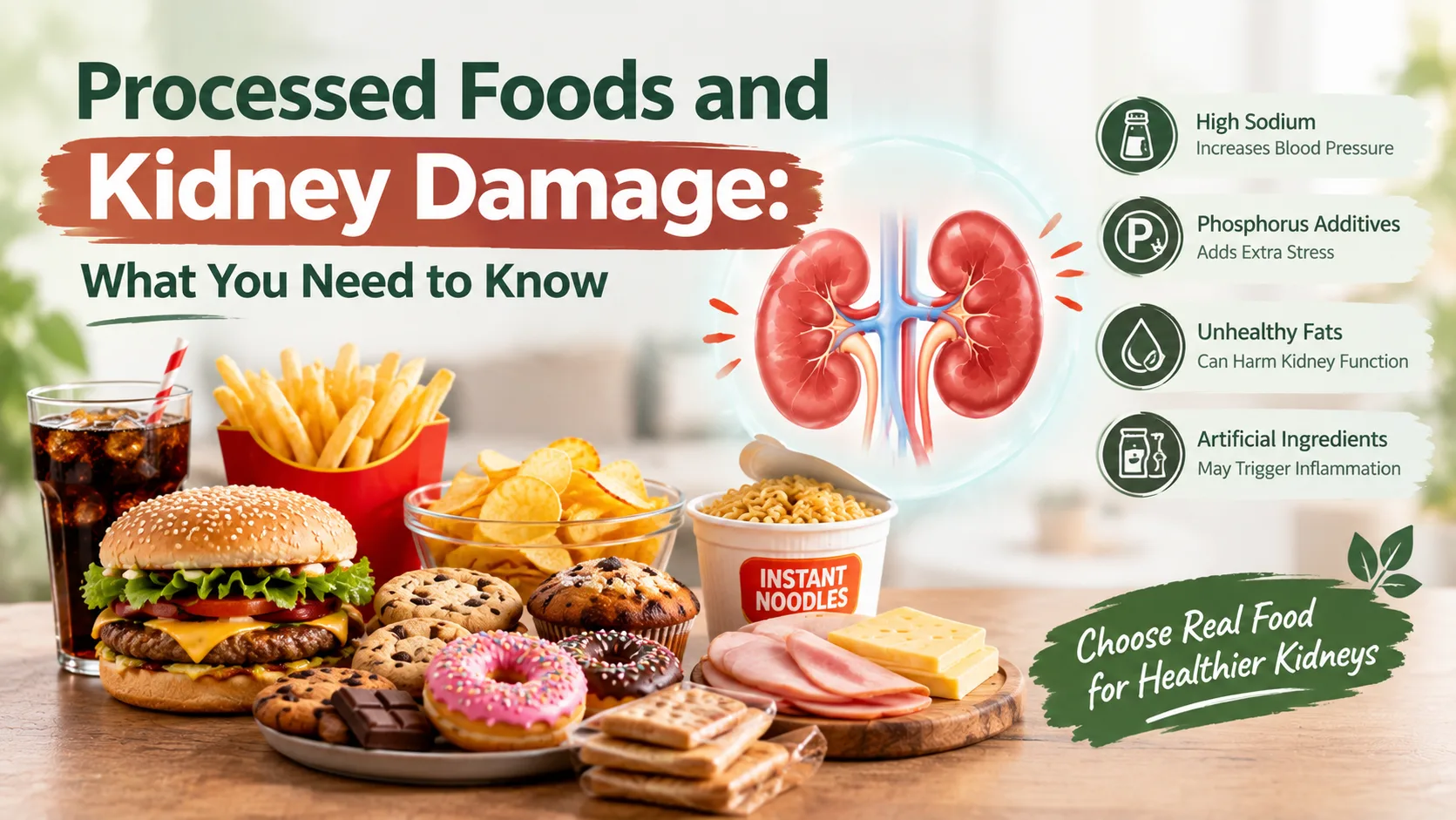
Watch the Sodium: Salt draws water into your blood vessels, raising pressure on your kidney filters.
-
Balance the Protein: Digesting massive steaks produces nitrogen waste products that tired kidneys have to work overtime to clear. Plant-based proteins or moderate portions of lean meats are gentler on your system.
-
Mind the Potassium and Phosphorus: Your nephrologist will check your blood tests to see if you actually need to restrict these minerals; don't jump on an overly strict diet until your lab work says it's necessary!
Stage 3 vs. Stage 4 vs. Stage 5 CKD
To give you a quick bird's-eye view of where you stand, here is a simple breakdown:
|
CKD Stage |
eGFR Range |
What Your Kidneys Are Doing |
Primary Game Plan |
|
Stage 3 |
30 to 59 |
Working moderate overtime |
Manage blood pressure & monitor yearly |
|
Stage 4 (You are here!) |
15 to 29 |
Needs dedicated support & strategy |
Partner with a nephrologist, optimize medications |
|
Stage 5 |
Under 15 |
Minimal filtering capability |
Prepare for dialysis or kidney transplant options |
Key Takeaways
-
eGFR 28 is Stage 4 CKD: It indicates a significant reduction in kidney function, but it is manageable.
-
Get a Nephrologist on Board: Specialist guidance is crucial for preserving your remaining kidney function.
-
Protect Your Filters: Avoid NSAID pain relievers and work with your care team to control blood pressure and blood sugar.
-
Medications Can Help: Evidence-based treatments like SGLT2 inhibitors and ACE inhibitors/ARBs have been proven to slow down disease progression.
-
Focus on Diet: Lowering your sodium intake and right-sizing your protein consumption takes unnecessary strain off your kidneys.
Frequently Asked Questions
Can an eGFR of 28 improve back to normal?
While long-term structural kidney damage is usually permanent, managing temporary spikes in dehydration or medication side effects can sometimes lift your score a few points back up.
Does an eGFR of 28 mean I need dialysis right now?
No, dialysis is generally not considered until your eGFR drops below 15 (Stage 5), so your focus right now is preservation.
What foods should I avoid with an eGFR of 28?
You should primarily limit high-sodium foods, ultra-processed meals, and excessive portions of heavy animal proteins.
How fast does eGFR decline in Stage 4 CKD?
The rate of decline varies significantly for everyone, but proper medication and lifestyle changes can dramatically slow down the progression.
Is walking good for Stage 4 kidney disease?
Yes, regular moderate exercise like daily walking helps lower blood pressure and supports overall cardiovascular health, which directly protects your kidneys!
Disclaimer: This article is for informational and educational purposes only and does not substitute for professional medical advice, diagnosis, or treatment. Always seek the advice of your physician, nephrologist, or other qualified health provider with any questions you may have regarding a medical condition or lab results.