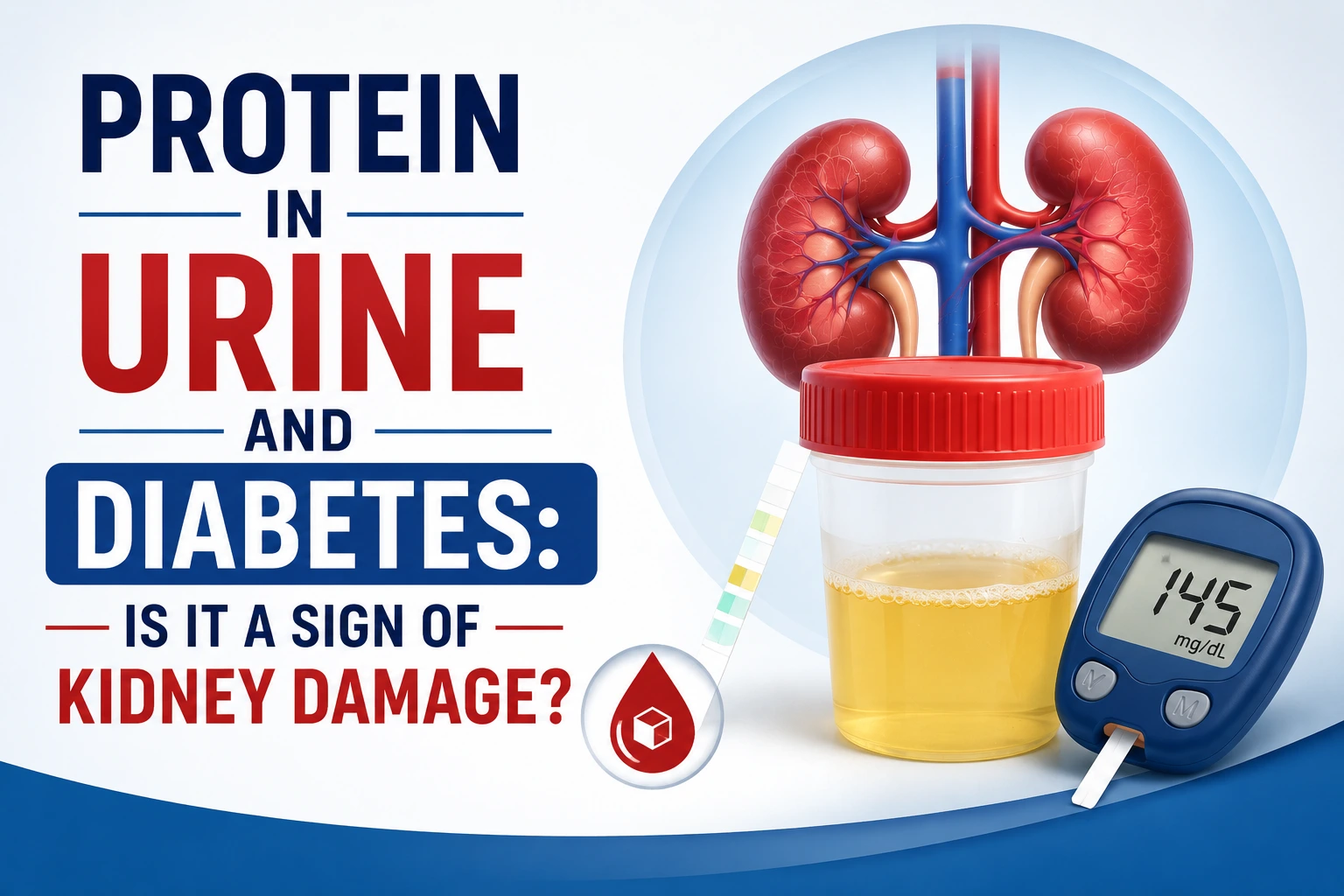

Yes, protein in urine and diabetes are often linked, and in most cases, it does point toward some kind of kidney stress, but "stress" doesn't always mean permanent damage. Take a breath. This isn't a doom-and-gloom situation where you read one blood report and start writing your will. It's more like your kidneys sending you a text message that says, "Hey, can we talk?" Let's actually talk about it.
So What Exactly Is Protein in Urine and Diabetes Connection?
Your kidneys are basically tiny, overachieving filters. They're supposed to keep the good stuff, like protein, inside your blood, and let the waste go out with your urine. When you have diabetes, especially if blood sugar has been running high for a while, those filters (called glomeruli, if you want to sound smart at dinner) can get a little worn out. Worn-out filters start leaking protein into urine instead of keeping it where it belongs.
This is where the medical world brings in a fancier term: diabetes proteinuria. It simply means protein showing up in your pee because of diabetes-related kidney changes. It's not a separate disease; it's more like a symptom, a clue, a kidney's way of waving a little flag.
Protein in Urine and Diabetes: Why Does This Even Happen?
Here's the simple version. High blood sugar over months and years can damage the tiny blood vessels in your kidneys. Damaged blood vessels mean the filtering system isn't as tight as it used to be. Some protein, usually a type called albumin, slips through and ends up in your urine.
A well-known long-term study, the UKPDS (UK Prospective Diabetes Study), conducted from 1977 to 1997, followed people with type 2 diabetes for years and found that poor blood sugar control was strongly associated with kidney complications over time, including protein leakage. This wasn't an overnight thing for anyone in the study; it built up slowly, which, honestly, is good news, because slow problems usually give you time to course-correct.
Does Protein in Urine Mean Kidney Damage? Let's Settle This
This is probably the question that brought you here, so let's not dance around it.
Does protein in urine mean kidney damage? Not automatically. A single test showing trace protein could be from dehydration, a fever, intense exercise, or even standing up too fast (yes, that's a real thing called orthostatic proteinuria). But if it shows up consistently, across multiple tests, over weeks or months, that's when doctors start paying closer attention, because persistent protein in urine is more likely tied to actual kidney filtering issues rather than a one-off blip.
Diabetic Nephropathy: The Term You'll Hear at the Doctor's Office
If protein in urine continues and kidney function starts dropping along with it, doctors may use the term diabetic nephropathy. This is basically the medical label for kidney disease that develops because of diabetes. It doesn't mean kidney failure is around the corner; it's a spectrum, not a switch that flips from "fine" to "failure."
The DCCT (Diabetes Control and Complications Trial), conducted by the National Institute of Diabetes and Digestive and Kidney Diseases between 1983 and 1993, found that people who kept tighter control over their blood sugar had significantly fewer kidney complications compared to those with looser control. So yes, control matters, but it's not about perfection; it's about consistency.
Protein in Urine With Type 2 Diabetes: Is It Different From Type 1?
People often assume kidney issues are mostly a type 1 diabetes thing, but that's not accurate. Protein in urine with type 2 diabetes is actually quite common, partly because type 2 diabetes often goes undiagnosed for years before someone even realizes their sugar levels were creeping up. By the time it's caught, the kidneys may have already been quietly dealing with elevated sugar for a while.
A study published in the Journal of the American Society of Nephrology by Dr. Robert C. Atkins and colleagues in 2005 noted that proteinuria in type 2 diabetes patients was a strong early indicator of future kidney and cardiovascular risk, which is why doctors love testing for it even when you feel totally fine.
Diabetic Proteinuria Symptoms: What Should You Actually Watch For?
Here's the tricky part: diabetic proteinuria symptoms are sneaky. Early on, there usually aren't any. That's exactly why your doctor keeps asking for that urine test you'd rather skip. As things progress a bit, you might notice:
-
Foamy or bubbly urine that doesn't go away quickly
-
Swelling around your ankles, feet, or even around your eyes in the morning
-
Feeling unusually tired
-
Increased blood pressure readings
-
Needing to urinate more at night
None of these screams "kidney damage diabetes" on their own; swelling could be from sitting too long, tiredness could be from your toddler waking you up at 3 AM. But together, especially alongside known diabetes, they're worth mentioning to your doctor rather than Googling at midnight (ironic, we know).
Is Protein in Urine Reversible? Here's the Honest Answer
People really want a yes or no here, but the real answer is: it depends on the stage.
Is protein in urine reversible? In early stages, often yes; especially with better blood sugar control, blood pressure management, and some lifestyle tweaks. Once kidney damage becomes more advanced, full reversal becomes less likely, though progression can often still be slowed.
The RENAAL study (Reduction of Endpoints in NIDDM with the Angiotensin II Antagonist Losartan), conducted in the late 1990s and published in 2001, showed that certain blood-pressure-lowering medications helped reduce protein levels in urine and slowed kidney function decline in people with type 2 diabetes. So intervention genuinely can make a measurable difference.
How to Reduce Protein in Urine Diabetes: The Practical Stuff
Let's get into the part you actually came for.
|
What Helps |
Why It Works |
Quick Note |
|
Better blood sugar control |
Less sugar damage to kidney filters |
Aim for doctor-set targets, not perfection |
|
Managing blood pressure |
High BP adds extra pressure on kidneys |
Often paired with specific medications |
|
Reducing salt intake |
Less fluid retention, less kidney strain |
Small swaps add up over time |
|
Staying hydrated (not overdoing it) |
Helps kidneys function smoothly |
Balance is key, not extremes |
|
Regular checkups |
Catches changes early |
Early action beats late panic |
|
Avoiding unnecessary painkillers |
Some can stress kidneys further |
Always check with your doctor first |
This is essentially the practical playbook for how to reduce protein in urine diabetes, and none of it requires turning your life upside down overnight.
Wrapping This Up Without the Scary Music
So, going back to where we started; protein in urine and diabetes are connected, and yes, it can be an early sign of kidney stress. But "early sign" is the key phrase here. It's not a verdict; it's a heads-up. Kidneys are surprisingly forgiving organs when you catch issues early and make consistent changes rather than dramatic, short-lived ones.
If your test shows protein, don't spiral. Talk to your doctor, ask about repeat testing, and treat it as a nudge to tighten up sugar and blood pressure control rather than a death sentence. Your kidneys have been working quietly in the background this whole time; the least you can do is listen when they finally speak up.
Disclaimer: This article is just for educating the general public. Any of your decisions should not be influenced by any of the points discussed in this article.
FAQ
1. Does protein in urine mean diabetes has damaged the kidneys?
It can be an early sign of kidney damage caused by diabetes and should be evaluated by a doctor.
2. Can diabetes cause protein in the urine?
Yes, high blood sugar can cause protein leaking into the urine as constant high blood glucose levels damage the kidney filters.
3. Can protein in urine from diabetes be treated?
Yes, managing blood sugar, blood pressure, and following the right treatment plan can help.
4. Is protein in urine reversible in diabetes?
Early treatment may reduce protein leakage and slow kidney damage, but you cannot guarantee the outcome.