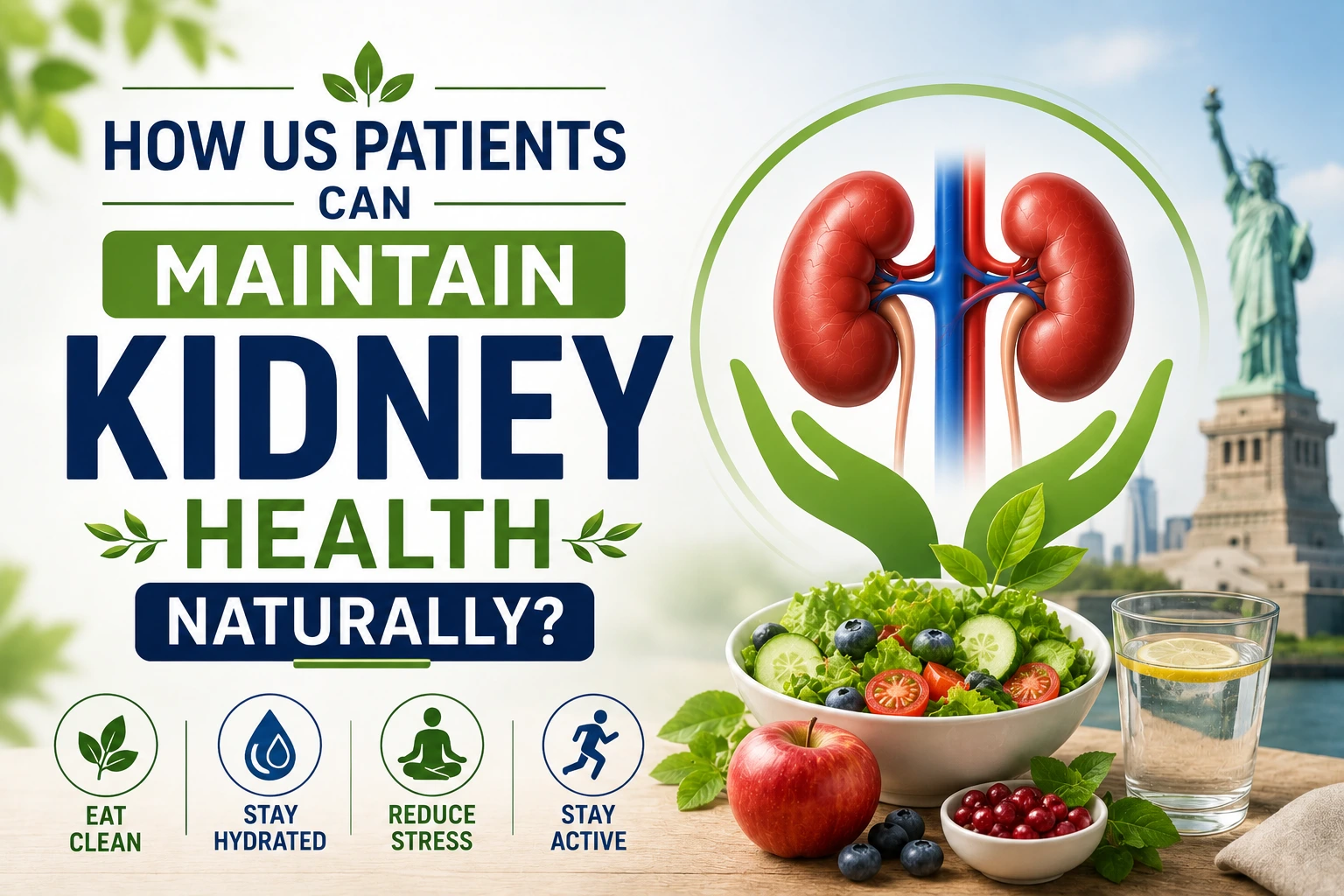

Yes, you actually can maintain kidney health naturally; mostly through boring, unglamorous habits like drinking more water, eating less salt, and not treating ibuprofen like candy. No magic potion required, just a little consistency (and maybe less bacon).
Now, before you close this tab thinking "great, another lecture about kale," hang on. Your kidneys are two fist-sized overachievers working 24/7 to filter about 50 gallons of blood a day, and they rarely complain until things get serious. That's the sneaky part. Kidney disease is often called a "silent" condition because symptoms show up late, sometimes after 90% of function is already gone. So, this isn't about fear-mongering; it's about giving your kidneys the tools they need before they start sending strongly worded letters (in the form of swelling, fatigue, or high blood pressure).
Why Kidney Care USA Looks a Little Different
Here's the thing about kidney care USA style: the average American diet is basically a sodium and processed-sugar buffet. Fast food, packaged snacks, sugary drinks; it's everywhere, and it's convenient, and your kidneys quietly pay the price. According to research published by the National Kidney Foundation, high blood pressure and diabetes together account for roughly two-thirds of chronic kidney disease cases in the US. So a big chunk of "kidney health" isn't really about the kidneys directly; it's about managing the stuff that stresses them out.
Simple, Kidney-Friendly Habits That Actually Work
Let's get practical. Here are some kidney-friendly habits that don't require a PhD in nutrition:
-
Hydrate like you mean it. A study in the Clinical Journal of the American Society of Nephrology found that adequate water intake supports healthier kidney filtration rates over time. Not "chug a gallon and feel sick" hydration; just steady, boring, all-day sipping.
-
Go easy on the salt shaker. The American Heart Association recommends under 2,300 mg of sodium a day (ideally closer to 1,500 mg if you already have blood pressure concerns).
-
Watch the painkiller habit. Long-term, frequent use of NSAIDs like ibuprofen has been linked to reduced kidney function in multiple studies, including research published in the American Journal of Kidney Diseases.
-
Move your body. Even a 30-minute walk most days helps regulate blood pressure and blood sugar, two of the biggest kidney stressors.
-
Get your numbers checked. A simple annual blood and urine test (eGFR and urine albumin) catches problems years before you'd ever feel them.
Natural Kidney Support: What Actually Has Evidence Behind It
When people search for natural kidney support, they usually picture herbs and teas. Some of that has real science behind it, some doesn't; so let's separate fact from wishful thinking.
Cranberry juice, for instance, has decent evidence for supporting urinary tract health (a 2023 meta-analysis in Cochrane Database of Systematic Reviews found it modestly reduces UTI recurrence), which indirectly protects kidneys from repeated infections. Turmeric's active compound, curcumin, has shown anti-inflammatory effects in lab studies, though human trials on kidney-specific benefits are still limited.
This is also where Ayurvedic kidney tips come into the conversation for a lot of people. Herbs like Punarnava and Gokshura have traditionally been used to support urinary and kidney function, and some small clinical studies suggest mild diuretic and anti-inflammatory effects. That said, "traditional use" isn't the same as FDA-approved treatment, so think of these as a possible complement to your regular care, not a replacement for it.
A Quick (and Slightly Funny) Comparison
|
Habit |
Kidney Reaction |
|
Extra-large fries + soda |
Kidneys quietly update their resume |
|
A glass of water instead |
Kidneys do a small victory lap |
|
Skipping the annual checkup |
Kidneys start passive-aggressively retaining fluid |
|
Daily walk |
Kidneys send a thank-you card (metaphorically) |
Bringing It All Together
Kidney wellness for US patients really comes down to consistency over intensity. You don't need to overhaul your entire life in a weekend; swap one soda for water, take one extra walk, skip one painkiller you didn't really need. Small, repeated choices are how you maintain kidney health naturally, and they add up far more than any single "superfood" ever could.
Key Takeaways
-
Kidney disease often shows no symptoms until it's advanced; regular checkups matter.
-
High blood pressure and diabetes are the top two risk factors in the US.
-
Hydration, lower sodium, and limiting NSAID use are scientifically proven to support good renal health.
-
Some herbal and Ayurvedic remedies show promise but they are more categorized into complementary treatments rather than the prime one.
-
Small consistent habits beat occasional extreme efforts.
FAQs
Can I really maintain kidney health naturally without medication?
For many healthy people, yes; good hydration, low sodium, and regular movement go a long way, but anyone with existing kidney issues should still work with their doctor.
How much water should I drink for kidney health?
Most adults do well with 6–8 glasses a day, though your ideal amount depends on your activity level, climate, and any existing health conditions.
Are Ayurvedic remedies safe for kidney health?
Some herbs show promising traditional and early clinical evidence, but they should be discussed with your doctor since certain herbs can interact with medications.
What's the earliest warning sign of kidney trouble?
Often, there isn't an obvious one, which is why an annual blood and urine test is the real early-warning system.
Does cutting salt actually help kidney function?
Yes, lowering sodium intake helps control blood pressure, which is one of the biggest protective factors for kidney health.
Disclaimer: This article is for general informational purposes only and isn't a substitute for professional medical advice, diagnosis, or treatment. Always consult a qualified healthcare provider before making changes to your diet, supplements, or medication routine, especially if you have existing kidney or health conditions.