
Navigating life with Stage 3 chronic kidney disease (CKD) can feel a bit like trying to read a map written in a language you don’t speak. One day, you are enjoying a juicy piece of fruit, and the next day, you are staring at a nutrition label trying to figure out which fruits are safe for kidney patients.
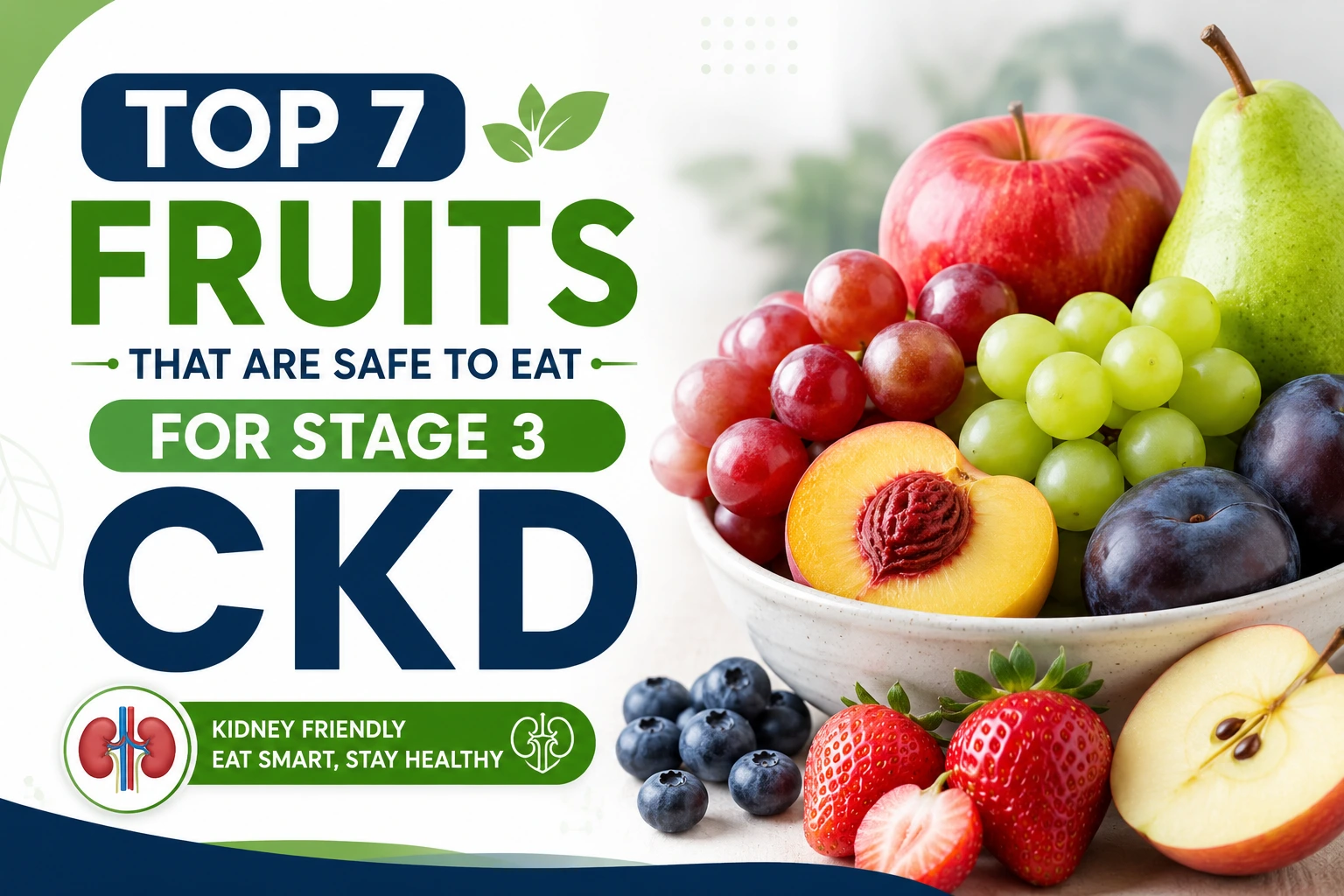
If you are looking for the quick answer to the best fruits for stage 3 CKD, the top 7 fruits that are generally safe and highly beneficial for Stage 3 CKD are apples, blueberries, strawberries, raspberries, grapes, pineapples, and cranberries.
Key Takeaways
-
Stage 3 CKD patients can still enjoy many fruits when they choose low-potassium options wisely.
-
Apples, berries for CKD like blueberries, strawberries, raspberries, grapes, pineapples, and cranberries are among the safest fruits for kidney health.
-
These fruits provide fiber, antioxidants, vitamins, and anti-inflammatory compounds that support overall kidney function.
-
Fiber-rich fruits may help control blood sugar and cholesterol, reducing stress on the kidneys.
-
Portion control remains important, as even kidney-friendly fruits contain some potassium.
-
Choose fresh, frozen, or fruit packed in water rather than sugary syrups.
-
Always discuss your diet with your nephrologist to ensure it matches your individual kidney health needs.
Top 7 Fruits for Stage 3 CKD
Here is a list of the best fruits for kidney disease patients:
1. Apples: The Ultimate Kidney Sidekick
Any renal diet fruit list is incomplete without these goodies. Apples are basically the gold standard for kidney-friendly eating. They are incredibly low in potassium, meaning your kidneys can take a breather while you enjoy a crisp snack.
But the real magic lies in a specific type of soluble fiber called pectin. Pectin acts like a tiny sponge in your digestive tract, soaking up cholesterol and toxins before your body can absorb them. This takes a massive load off your kidneys. That is why apples for kidney disease patients are often recommended by docs.
What the Science Says: A massive epidemiological study titled “Fruit and vegetable intake and risk of chronic kidney disease,” published in the journal Nephrology Dialysis Transplantation (2014) by Dr. Jae Yoon Park and colleagues, followed over 14,000 participants. The researchers discovered that consistent intake of low-potassium, high-fiber fruits like apples was directly correlated with a significantly lower risk of CKD progression.
2. Blueberries: Tiny Antioxidant Powerhouses
If your kidneys had a favorite color, it would probably be blueberry blue because they lead the list of kidney-friendly fruits. These tiny berries get their vibrant color from compounds called anthocyanins. Think of anthocyanins as a personal security detail for your cells, protecting them from inflammation and oxidative stress.
When you have Stage 3 CKD, chronic inflammation is often lurking in the background, trying to speed up kidney damage. Blueberries swoop in to help calm that inflammation down. Plus, a whole cup of blueberries contains an incredibly low amount of potassium, making them a worry-free treat.
3. Strawberries: The Sweet, Low-Potassium Treat
Many people assume that because strawberries taste intensely sweet and indulgent, they must be off-limits. Happy news: they are actually remarkably kidney-safe. Strawberries are packed with Vitamin C and manganese, which help repair tissues and keep your immune system running smoothly.
They also contain two types of phenols: anthocyanins and ellagitannins, which improve kidney function by protecting the delicate blood vessels inside your renal system from overworking.
What the Science Says: The role of berries in reducing systemic inflammation was heavily documented in a clinical trial titled “Berries and Cardiovascular Health,” published in Nutrition Reviews (2010) by Dr. Arpita Basu and her team. They found that regular berry consumption significantly reduces markers of inflammation and oxidative stress, both of which are major drivers in the advancement of Stage 3 kidney disease.
4. Raspberries: The Fiber Champions
If you struggle to get enough fiber into your diet without overloading on potassium-heavy whole grains, raspberries are your new best friend. One cup of raspberries delivers a massive 8 grams of fiber, but only a tiny fraction of your daily potassium limit.
Fiber is crucial for Stage 3 CKD because it keeps your blood sugar stable. Since diabetes and high blood pressure are the leading causes of kidney disease, keeping your blood sugar in check is one of the best things you can do to protect your remaining kidney function.
5. Grapes and Kidney Health: The Hydration Heroes
Grapes, specifically red and purple ones, contain a very famous compound called resveratrol. If you follow health trends, you might recognize resveratrol as the compound that made people think drinking red wine was a medical necessity. While we aren’t advising you to chug wine, eating fresh grapes is an excellent idea for your kidneys.
Resveratrol helps relax blood vessels, lowering blood pressure. Because your kidneys are packed with tiny blood vessels that filter your blood, keeping your blood pressure under control prevents these filters from scarring and failing.
6. Pineapples: The Tropical Exception
Most tropical fruits, like bananas, oranges, and kiwis, are packed with potassium that they might as well come with a warning label for CKD patients. Pineapple, however, missed that memo in the best way possible. It is a sweet, tropical treat and one of the best low-potassium fruits.
Even better, pineapple contains a unique enzyme called bromelain. Bromelain is well-known in the medical community for breaking down protein and reducing swelling and inflammation in the body, giving your kidneys a gentle break from dealing with systemic stress.
What the Science Says: The therapeutic benefits of bromelain were highlighted in a comprehensive review titled “Properties and Therapeutic Application of Bromelain: A Review,” published in Biomedical Reports (2016) by Dr. Vidhya Rathnavelu. The study showed that bromelain exerts strong anti-inflammatory effects that can prevent tissue damage in chronic inflammatory conditions, supporting its use as a dietary aid for kidney health.
7. Cranberries: The Urinary Tract Shield
You can't talk about kidney health without giving a massive nod to cranberries. These tart little fruits contain A-type proanthocyanidins. This is a fancy scientific term for compounds that stop bacteria from sticking to the walls of your bladder and urinary tract.
By preventing urinary tract infections (UTIs), cranberries stop bacteria from traveling upwards and causing dangerous kidney infections, which could easily push Stage 3 CKD into Stage 4.
Kidney-Safe Fruits at a Glance
To help you organize your next trip to the store, here is a quick breakdown of how these seven fruits perform across different health metrics.
|
Fruit |
Primary Benefit for CKD |
Key Kidney Nutrient |
Best Way to Eat It |
|---|---|---|---|
|
Apples |
Reduces cholesterol & toxin load |
Pectin (Soluble Fiber) |
Raw with the skin on |
|
Blueberries |
Battles chronic inflammation |
Anthocyanins |
Fresh or frozen in oatmeal |
|
Strawberries |
Protects renal blood vessels |
Vitamin C & Phenols |
Sliced into fresh salads |
|
Raspberries |
Manages blood sugar levels |
High Fiber, Low Potassium |
Handful as an afternoon snack |
|
Grapes |
Supports healthy blood pressure |
Resveratrol |
Chilled or frozen as a dessert |
|
Pineapples |
Lowers swelling and tissue stress |
Bromelain (Enzyme) |
Freshly diced (avoid heavy syrups) |
|
Cranberries |
Prevents dangerous kidney infections |
A-type Proanthocyanidins |
Unsweetened juice or fresh |
The Golden Rules for Eating Fruit with Stage 3 CKD
Before you run off to buy out the entire produce section, let’s talk about a few rules of engagement. Even safe fruits can cause issues if you don't keep these three things in mind:
-
Portion Control Matters: Just because a fruit is low in potassium doesn't mean it is potassium-free. Eating an entire pineapple in one sitting will still overload your system. Stick to a standard serving size, which is usually one small fruit or one cup of sliced fruit or berries.
-
Ditch the Heavy Syrups: When buying canned fruits like pineapple, always choose varieties packed in water or their own natural juices. Canned fruits packed in heavy syrup often contain added phosphorus additives, which act like a chemical headache for Stage 3 kidneys.
-
Talk to Your Nephrologist: Stage 3 CKD is divided into Stage 3a and Stage 3b. Your specific blood work, especially your latest potassium and phosphorus levels, should always dictate your exact daily limits.
Conclusion
Eating well for your kidneys doesn't mean your diet has to become bland. By loading your cart with these seven kidney-safe fruits and loading your plate with CKD diet foods, you can satisfy your sweet tooth, protect your renal health, and keep your Stage 3 CKD strictly managed.
Disclaimer: This article is for educational purposes; please discuss with your nephrologist in case you want to include some of the fruits discussed in this blog in your routine.
FAQ
Which fruits should CKD patients avoid?
High-potassium fruits like bananas, oranges, avocados, dried fruits, and melons may need to be limited, depending on kidney function.
Are bananas safe for Stage 3 CKD?
Bananas are high in potassium, so Stage 3 CKD patients should eat them only if their doctor or dietitian allows it.
What fruits are low in potassium?
Apples, berries, grapes, pineapples, peaches, and cranberries are generally low in potassium and kidney-friendly.
Can kidney patients eat apples every day?
Yes, apples are usually safe to enjoy daily in moderation as part of a kidney-friendly diet.