
So your kidney test came back high, and now you're sitting there Googling at 11 PM wondering if you need a kidney transplant by Tuesday. Breathe. The short answer: call your doctor, get a repeat test, and don't panic-order a juice cleanse off Instagram. That's genuinely where kidney disease help starts; not in a WebMD spiral, but in one calm phone call.
Let's be honest, nothing ruins a Tuesday quite like opening a lab report and seeing a number in red. Your eyes go straight to it, your brain skips every normal value on the page, and suddenly you're diagnosing yourself with something you can't even pronounce. We've all been there. But here's the thing about what to do after abnormal kidney test result situations: the "abnormal" part doesn't always mean "alarming." Sometimes it means you were dehydrated, sometimes it means the lab had a bad day, and sometimes it genuinely means your kidneys need attention. The trick is figuring out which one it is, calmly and methodically.
First Things First: Don't Trust One Number
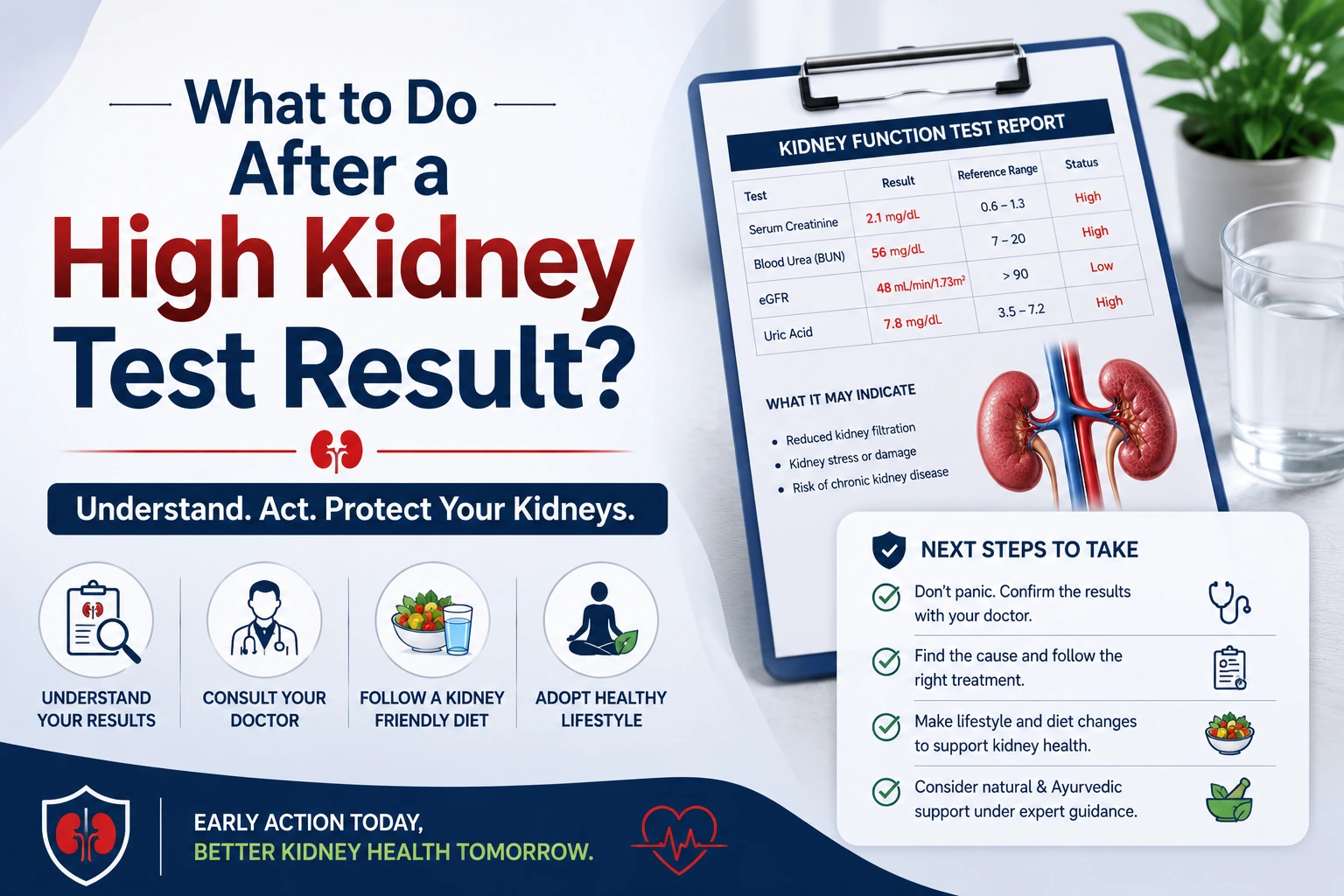
A single high creatinine or low eGFR reading is like one bad Yelp review; it tells you something, but not the whole story. Labs get affected by dehydration, intense workouts, certain medications, even a protein-heavy dinner the night before. Doctors almost always ask for a repeat test before concluding, and honestly, that's smart, not slow.
A widely cited study published in The Lancet by the Chronic Kidney Disease Prognosis Consortium (2010) looked at data from over a million people and found that kidney function markers need to be assessed over time, not from a single snapshot, to accurately predict risk. Translation: one weird number isn't your life sentence.
When It's Time to See a Kidney Disease Doctor?
If your repeat test still looks off, this is where you loop in a kidney disease doctor; ideally one who deals with kidneys all day, every day, not just as a side gig. A kidney specialist, also called a nephrologist, will usually run a broader panel: eGFR, urine albumin, blood pressure, sometimes an ultrasound. Think of it as your kidneys finally getting their own detective on the case.
Here's a quick, painless cheat sheet on what usually happens next:
-
Repeat blood test – rules out a fluke reading
-
Urine test – checks for protein or blood, the kidney's version of a warning text
-
Blood pressure check – because kidneys and BP are basically roommates who affect each other's mood
-
Imaging (ultrasound) – makes sure there's no structural issue, like a stone throwing a tantrum
-
Review of medications – yes, even that ibuprofen you take like candy
If the Number Is Really High: Understanding Creatinine 8 Treatment
Now, if your creatinine has shot up to something like 8, that's a different conversation entirely; this is no longer "drink more water and relax" territory. Creatinine 8 treatment typically involves urgent evaluation for advanced kidney dysfunction, and depending on symptoms, it may include hospitalization, dialysis discussions, or immediate specialist referral. This is exactly the point where self-Googling should stop and professional kidney disease help should start. No shame in it; even mechanics call in specialists for engine trouble they can't fix with a wrench and hope.
Everyday Kidney Care That Actually Works
Here's the good news: most renal function protection doesn't require anything dramatic. A 2017 study in the Clinical Journal of the American Society of Nephrology found that consistent hydration, blood pressure control, and reduced sodium intake meaningfully slowed kidney function decline in at-risk patients. Basically, boring habits win.
Simple kidney care habits that don't require a personality transplant:
-
Drink water like it's your job (not soda pretending to be water)
-
Go easy on salt; your kidneys aren't fans of processed snacks either
-
Keep blood pressure and blood sugar in check
-
Avoid casually popping painkillers like breath mints
-
Get regular check-ups instead of waiting for a scary number to show up
Quick Comparison: Healthy Habit vs. Kidney's Reaction
|
Habit |
Kidney's Honest Reaction |
|
Drinking 8 glasses of water |
"Finally, a break." |
|
Extra-salty fries at 2 AM |
"Why do you hate me?" |
|
Skipping BP meds |
"This is how horror movies start." |
|
Regular checkups |
"Someone actually cares, nice." |
At the end of the day, seeking kidney disease help early is less about fear and more about staying one smart step ahead of a problem before it becomes a crisis.
Key Takeaways
-
One abnormal result doesn't mean disaster; get it rechecked first
-
A kidney disease doctor or kidney specialist can clarify what's actually going on
-
Higher numbers, like a creatinine of 8, need urgent medical attention, not home remedies
-
Everyday habits like hydration, low sodium, and BP control protect renal function long-term
-
Don't wait for scary labs to start practicing basic kidney care
FAQs
Q: Is a high creatinine level always a sign of kidney disease?
Not always; dehydration, intense exercise, or certain meds can temporarily raise it too.
Q: How soon should I see a doctor after an abnormal kidney test?
Ideally within a few days, especially if the number is significantly high or you feel unwell.
Q: Can kidney function improve after a bad test result?
Yes, in many cases lifestyle changes and treating the underlying cause can stabilize or improve it.
Q: Does drinking more water fix kidney problems?
It helps with mild dehydration-related spikes, but it's not a fix for actual kidney disease.
Q: When does high creatinine become an emergency?
When it's very high (like around 8) or comes with symptoms like swelling, confusion, or barely any urination; that's an ER moment, not a wait-and-see one.
Disclaimer: This blog is for general information only and isn't a substitute for professional medical advice, diagnosis, or treatment. Kidney issues can vary a lot from person to person, so please talk to a qualified doctor or nephrologist about your specific test results before making any decisions.