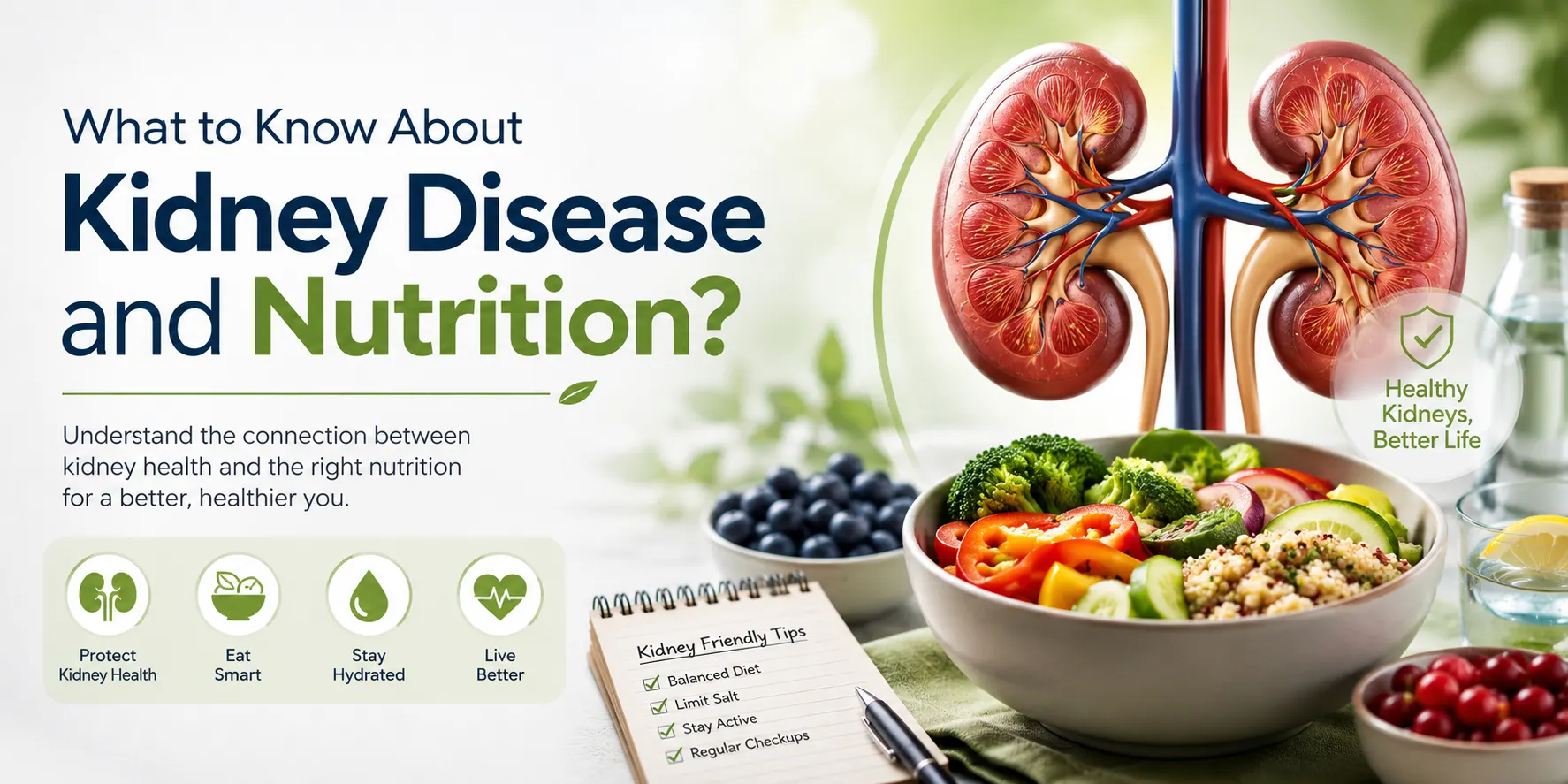

What should a kidney disease patient actually eat? In short: less salt, smarter protein, and a lot more attention to potassium and phosphorus than your average person ever has to think about. Sounds like a lot, right? Don't worry, we're going to break it down like you're chatting with a friend over chai, not sitting through a lecture.
Your kidneys are basically the world's most underappreciated janitors. They quietly filter your blood, kick out waste, balance your fluids, and never ask for a raise. It's only when they start struggling that we suddenly remember they exist; usually around the same time a doctor hands us a diet chart and says, "no more pickles, sorry."
Here's the thing though: food isn't the enemy here. It's actually one of your biggest allies. What you eat can either add extra load onto kidneys that are already working overtime, or it can lighten that load significantly. That's the whole game.
Why Food Matters So Much When Kidneys Are Struggling?
Healthy kidneys can handle a fairly chaotic diet. Extra salt today, too much protein tomorrow, no problem; they filter it out and move on. But once kidney function drops, that flexibility disappears fast. Waste products that should be flushed out start hanging around in the blood instead, like guests who overstay their welcome at a house party.
This is exactly why chronic kidney disease management leans so heavily on diet. It's not about punishment or bland food forever; it's about reducing the workload so the kidneys you still have left can keep doing their job a little longer.
A few things go haywire when kidney function slips:
-
Sodium builds up, pulling in extra fluid and spiking blood pressure
-
Potassium can rise to levels that mess with your heart rhythm
-
Phosphorus climbs and quietly weakens your bones over time
-
Protein waste accumulates if intake isn't matched to your stage of disease
None of this happens overnight, which is honestly the tricky part. It sneaks up slowly, so the diet changes need to start early, not after things get dramatic.
What a Kidney-Friendly Plate Actually Looks Like?
A good kidney-friendly diet isn't about eating cardboard for the rest of your life. It's about smarter swaps. Interestingly, research modeled on the well-known MDRD (Modification of Diet in Renal Disease) study found that people who moderately reduced their protein intake saw a slower decline in kidney function over the long run compared to those eating a typical high-protein diet, according to long-term follow-up analysis published on the original trial data. The catch was that very extreme protein restriction didn't add extra benefit and, in some cases, raised other risks; so moderation wins, as usual.
Here's a simple, human breakdown of what tends to help:
-
Go easy on processed and packaged foods (the sodium bombs of the food world)
-
Choose fresh herbs and spices over salt for flavor
-
Keep protein portions measured rather than "as much as fits on the plate"
-
Watch high-potassium foods like bananas, oranges, and potatoes if your labs say so
-
Limit phosphorus-heavy processed items like colas and packaged snacks
-
Stay mindful of fluid intake if your doctor has flagged it
📞 Get a Kidney Health Consultation – Call Now!
A Quick (and Slightly Funny) Comparison
Because sometimes a table just explains things faster than a paragraph ever could:
|
Food Habit |
Kidneys' Honest Reaction |
|
Extra pickle and papad every meal |
"Please, I'm begging you, no more sodium" |
|
Bananas by the dozen |
"Cool, but my potassium alarm is now screaming" |
|
Cola with every meal |
"That's phosphorus in disguise, my friend" |
|
Fresh veggies, controlled portions |
"Finally, a day off" |
|
Herbs instead of extra salt |
"You just made my whole week" |
Renal Health Isn't Just About One Meal
Renal health is a long game, not a one-time fix. It's less "perfect diet starting Monday" and more "consistent, boring, sustainable choices for years." A well-known dietary approach, the DASH-style eating pattern (originally built for blood pressure control), has also been studied in kidney patients and linked with better blood pressure control and reduced strain on the kidneys over time, according to research summarized in nutrition journals focused on CKD populations.
The bigger point here: nutrition for kidney disease isn't a punishment list; it's a toolkit. And like any toolkit, it works best when it's built around your specific stage, your labs, and your lifestyle; not a generic printout from Google.
📩 Ask a Kidney Expert (Free 10-Min Consultation)
Why Personalization Matters So Much?
Every kidney disease patient is different, and that's not just a nice thing people say to make you feel special. Stage 1 kidney disease and stage 4 kidney disease need very different nutrition strategies. Someone on dialysis has completely different protein needs than someone who isn't. This is why working with a renal dietitian, rather than following a one-size-fits-all chart, makes such a huge difference in real-world outcomes.
Good kidney care really comes down to three things working together: medical treatment, lifestyle habits, and food choices that are tailored specifically to you. Skip the food part, and you're basically trying to drive with three tires.
Key Takeaways
-
A kidney disease patient benefits most from a personalized, moderate approach to food, not extreme restriction
-
Sodium, potassium, phosphorus, and protein are the four things worth watching most closely
-
Fresh, home-cooked meals with herbs beat packaged, processed foods almost every time
-
Managing kidney disease through diet works best as a long-term, consistent habit, not a crash diet
-
Always loop in a nephrologist or renal dietitian before making major dietary changes
FAQs
Can a kidney disease patient eat fruit at all?
Yes, but portion and potassium content matter, so it's more about choosing wisely than cutting fruit out completely.
Is a low-salt diet really that important for kidney health?
Absolutely, since extra sodium makes kidneys retain more fluid and pushes blood pressure higher, adding extra strain.
Does eating less protein cure kidney disease?
No, it doesn't cure anything, but a moderated protein intake can help slow down further kidney damage in many cases.
Can dietary changes replace medication for kidney disease?
No, food supports treatment; it doesn't replace medication or medical supervision.
How do I know what my kidney-friendly diet should look like?
The most reliable answer comes from your nephrologist or a renal dietitian who can check your specific lab reports and stage.
Disclaimer: This blog is for general informational purposes only and isn't a substitute for professional medical advice, diagnosis, or treatment. Every kidney condition is different, so please consult a qualified nephrologist or renal dietitian before making any changes to your diet or treatment plan.