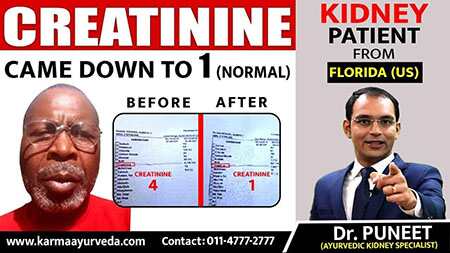

Creatinine levels increase when kidney function declines or waste is not filtered properly. Common causes include dehydration, kidney disease, medications, and high protein intake.
Let’s talk about that word you probably saw on your lab results that looks like it was named by a scientist who really liked the word "creative" but had a cold: Creatinine.
If you’ve just opened your medical portal and saw a number in bold with a little "H" next to it, don't panic. We’re going to break down exactly what this stuff is, why your body is suddenly hoarding it like a 1950s comic book collection, and what you can actually do about it.
Have a kidney concern? Fill the form and speak with our doctor to get the right guidance for kidney care.
What Is Creatinine?
Think of creatinine as the "exhaust fumes" of your muscles.
Every time you move, blink, or lift a grocery bag, your muscles are using a compound called creatine for energy. Once that energy is spent, it turns into a waste product called creatinine. It’s essentially the biological equivalent of the lint in your dryer filter or the crumbs at the bottom of a toaster.
In a perfectly functioning body, your kidneys act like a world-class cleaning crew. They filter the creatinine out of your blood and send it packing through your urine. Because your muscle mass doesn't usually change overnight, your creatinine levels stay pretty steady. When the levels go up, it’s usually a signal that either the "cleaning crew" (your kidneys) is taking an unscheduled nap, or you’re producing way more "trash" than they can keep up with.
Why Creatinine Levels Suddenly Increase?
There are a lot of reasons why your levels might be spiking, and some of them are much less scary than a Google search would have you believe. Some of the major high creatinine causes are:
-
Dehydration: This is the most common culprit. If you aren't drinking enough water, your blood becomes more concentrated. Imagine trying to flush a toilet when the water is turned off; it’s just not going to work well. When you're dehydrated, your kidneys can't flush the creatinine out effectively, making the level in your blood look higher.
-
The "Gym Rat" Factor: If you’ve been hitting the squat rack like you’re training for the Olympics, or if you’ve recently started taking creatine supplements to get "swole," your creatinine levels will rise. More muscle activity and more protein intake equal more waste products.
-
High-Protein Diets: If your diet consists mostly of giant steaks and protein shakes, you’re giving your kidneys a lot of extra work. Red meat specifically contains high levels of creatine, which converts to creatinine when cooked and digested.
-
Kidney Issues: This is the one doctors look for. If the kidneys are damaged by infection, high blood pressure, or diabetes, they lose their ability to filter. It’s like the coffee filter in your machine getting a tear; the grounds start ending up in the pot.
-
Certain Medications: Some drugs, like certain antibiotics or stomach acid blockers (PPIs), can meddle with how your kidneys secrete creatinine. Even common over-the-counter painkillers like ibuprofen can cause renal issues in the long run.
-
Intense Infection: If your body is fighting a massive infection, your metabolism speeds up, leading to an accelerated muscle breakdown in the body, leading to a spike in the creatinine levels.
Symptoms of High Creatinine
You won't feel a "creatinine cramp." However, because high creatinine is often a sign that your kidneys are struggling, you might notice "kidney-adjacent" symptoms:
-
Changes in Urination: You’re going way more than usual, way less than usual, or the color looks like a dark tea.
-
The Puffiness (Edema): Your kidneys help regulate fluid. If they aren't working, that fluid stays in your body. You might notice your socks leaving deep imprints on your ankles or puffiness around your eyes.
-
Fatigue: Constant fatigue due to an ineffective removal of waste from the body is another classic symptom.
-
Nausea and Loss of Appetite: Since your kidneys cannot filter the blood effectively, it begins to negatively impact your appetite.
-
Shortness of Breath: Sometimes, extra fluid builds up around the lungs, leading to huffing and puffing all the time.
What Level of Creatinine Is Dangerous?
Here is the "it depends" answer that everyone hates, but it's true. A "normal" level for a 250-pound bodybuilder is going to be much higher than a "normal" level for a 100-pound grandmother.
-
General Range: For most adults, a normal range is roughly 0.7 to 1.3 mg/dL for men and 0.6 to 1.1 mg/dL for women.
-
The Red Flag Zone: Usually, when levels hit 2.0 or higher in an adult, doctors start looking very closely.
-
The Emergency Zone: If creatinine levels reach 5.0 or higher, it often indicates severe kidney impairment.
However, doctors rarely look at creatinine alone. They use it to calculate your GFR (Glomerular Filtration Rate). Think of creatinine as the raw data and GFR as the "grade" your kidney gets on its report card. A GFR above 60 is usually considered okay; below 15 means the kidneys are essentially on strike. So, if you are wondering, “Is a creatinine level of 2.0 dangerous?”, the answer is yes.
Have a kidney concern? Fill the form and speak with our doctor to get the right guidance for kidney care.
How to Reduce Creatinine Levels Quickly and Naturally
If your levels are just slightly elevated due to lifestyle, you can often nudge them back down with some common-sense changes:
-
Hydrate Like It’s Your Job: One of the best natural ways to lower creatinine levels is to hydrate yourself well. Drink enough water so that your urine is pale yellow. Don’t overdo it (you aren’t a fish), but stay consistent.
-
Ease Up on the Protein: Switch out that third steak of the week for some plant-based proteins like beans or lentils. Your kidneys will thank you for the lighter workload.
-
Watch the Supplements: If you’re taking creatine for the gym, stop for a few weeks and see if your levels normalize.
-
Fiber is Your Friend: Studies suggest that people with high fiber intake tend to have lower creatinine levels. It helps the body clear out toxins through the digestive tract instead of putting the whole burden on the kidneys.
-
Avoid Intense Exercise Before a Test: If you have a follow-up blood test, don't do a heavy leg day the night before. You’ll just flood your blood with creatinine and get another scary result.
Medical Treatments for High Creatinine
If the cause isn't just "I forgot to drink water," a doctor will step in with more formal tools:
-
Managing Blood Pressure: High blood pressure is like a power washer hitting a delicate silk screen (your kidney filters). Doctors often prescribe ACE inhibitors or ARBs to protect those filters.
-
Diabetes Control: Getting your glucose under control is the number one priority to control creatinine and improve renal function.
-
Dialysis: In extreme cases where the kidneys have stopped working almost entirely, you may need to resort to dialysis or even a transplant to improve the quality of your life, as no creatinine levels high treatment will come to your rescue.
When to See a Doctor
If you saw a high number on a lab report, you should already have a follow-up scheduled. But you should seek medical attention immediately if your high creatinine is accompanied by:
-
A total inability to urinate.
-
Severe swelling in your face, hands, or feet.
-
Confusion or "brain fog" that makes it hard to function.
-
Chest pain or extreme shortness of breath.
Most of the time, a high creatinine level is just a "check engine" light. It doesn't mean the car is exploding; it just means it's time to pull over, check the fluids, and maybe stop driving it like a racecar for a few days.
How Karma Ayurveda USA can help you with Your Renal Issues?
Navigating renal issues is taxing, but Karma Ayurveda USA simplifies the journey. Led by the expertise of Dr. Puneet Dhawan, the hospital combines the ancient Ayurvedic wisdom with modern wellness practices to improve your renal health significantly.
Have a kidney concern? Fill the form and speak with our doctor to get the right guidance for kidney care.
FAQ
1. How to reduce creatinine?
Drink enough water, control BP & sugar, eat less salt/protein, avoid painkillers, follow proper treatment.
2. What are the causes of high creatinine?
Kidney issues, dehydration, high protein diet, medicines, diabetes, high BP.
3. What does creatinine 1.5 mean?
Slightly high; possible early kidney stress. Needs monitoring.
4. When to worry about high creatinine levels?
If it keeps increasing, goes above 2, or you have symptoms like swelling or low urine.