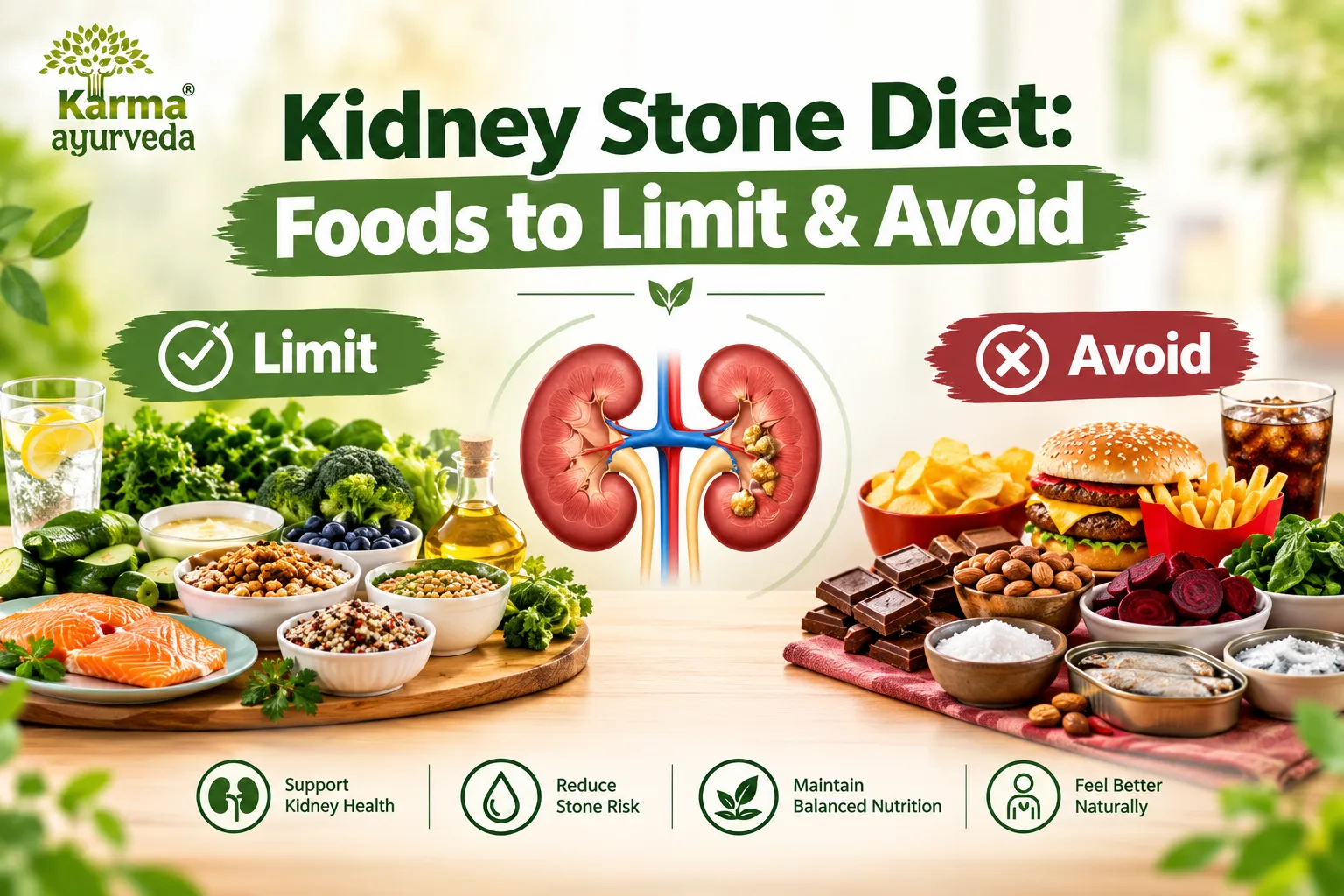

So, the kidney stone diet includes reduced amounts of salt, animal proteins, sugary beverages, and (in some cases) high-oxalate food products like spinach, almonds, etc. At the same time, you need to drink plenty of water. But the detailed plan depends on the stone type, so urine and stone analysis make it much more precise.
The good news is that you don't have to give up food and start consuming just cucumbers. You just need to be aware of some of the unhealthy snacks that work against you.
What Food Should You Consume?
Stones appear when minerals like calcium, oxalate, and uric acid accumulate in concentrated urine, like sugar at the bottom of a chai glass. Diet plays an important role in determining how concentrated urine is.
The 2014 (updated in 2019) guideline of the American Urological Association recommends consuming enough fluids to produce 2.5 liters of urine per day and a diet that has a low sodium content. The prominent research conducted by Borghi et al. (New England Journal of Medicine, 2002) revealed that male patients with recurrent calcium stones whose diet had normal calcium intake, less salt, and animal protein had fewer recurrences than those whose diet was low in calcium. Thus, to avoid forming calcium stones, one should not skip dairy products.
Identifying problems early on
Before planning your meals, it is important to know the early symptoms of kidney stones. Such symptoms include dull pain in the back or side, waves of pain, painful urination, pink or cloudy urine, and nausea. If you ever experience fever along with severe pain, visit a doctor immediately and do not wait it out heroically.
Foods to Limit
- Foods with high salt content: chips, pickles, papad, instant noodles. Sodium promotes the excretion of calcium in the urine.
- Excessive intake of animal protein (red meat, organs, non-veg food) increases the levels of uric acid in urine and reduces the levels of citrate, your natural stone inhibitor.
- Sugary drinks and colas: the study by Ferraro et al. (Clinical Journal of the American Society of Nephrology, 2013) shows the link between sugar-sweetened sodas and higher stone risk.
- High-oxalate foods (in case of forming oxalate stones): spinach, beets, almonds, rhubarb, and chocolate. Do not avoid these foods completely.
- High doses of vitamin C supplements: your body transforms a portion of it into oxalate.
Alternatives to the food
Regarding what to eat with kidney stones, think about citrus fruits, water, and the balance of your meals. Lemon water, oranges, melon, cucumber, curd, in combination with oxalate-rich meals and many vegetables, can help you with it. Remember that calcium from food will help to bind oxalate and therefore will be your best friend. Research performed at Harvard University shows that dietary calcium is connected with fewer occurrences of stones.
Comparative Analysis
|
Swap This |
For This |
Why |
|
Cola |
Lemon water |
Same fizz energy, far less drama |
|
Packaged chips |
Roasted makhana |
Crunch without the sodium hangover |
|
Big steak |
Dal or paneer portion |
Your uric acid gets a day off |
|
Spinach every day |
Mixed veggies |
Variety beats overdoing one thing |
Ayurveda's Place
Many people try to treat kidney stones with alternative methods as an addition to standard care such as hydration, exercise, and weight loss. That's an excellent start. Just remember not to consider natural treatments as a replacement for scans and medical advice.
Apart from these alternatives, there are various kidney stones Ayurvedic treatments that include special diets, lifestyle modifications, and herbal remedies. Dr. Puneet Dhawan is one of the specialists who practices in this field, and consulting him is a good option for obtaining more information about your kidney stones.
To treat kidney stones with Ayurveda, there are some specific herbs such as punarnava, gokshura, and pashanbhed that are often used in the treatment of kidney stones. There is still little research done and no clinical trials; therefore, it is advised not to use herbs without the permission of your physician, especially when taking other medicines.
Wrapping Up
Life with kidney stones involves the establishment of several small habits: more water, less salt, better protein sources, and less fizz in drinks. If one prefers to try alternative options, Karma Ayurveda is an option to discuss with your physician.
Key takeaways
- Drink a sufficient amount of water to have clear urine
- Decrease intake of salt and sugary beverages
- Include animal protein in moderation
- Don't avoid getting calcium from foods.
- Limit foods rich in oxalates only when your kidney stones require it.
- Consult your physician before taking any herb or supplement.
FAQs
📩 Ask a Kidney Expert (Free 10-Min Consultation)
What foods should I avoid with kidney stones?
Salty snacks, colas, too much meat, and, for some, spinach and almonds.
Should I stop eating calcium?
Nope, food calcium actually helps, so keep your curd and milk.
How much water is enough?
Enough that your pee looks pale yellow, not dark chai.
Is lemon water good for stones?
Yes, the citrate in it can help, and it tastes better than most medicines.
Can Ayurveda dissolve stones?
Some herbs are studied, but results vary, so ask your doctor first.
Disclaimer
This blog is for general education and is not medical advice. Kidney stones differ from person to person, so please consult a doctor or qualified healthcare provider before changing your diet, supplements or herbs. Never delay care if you have severe pain, fever or blood in your urine.