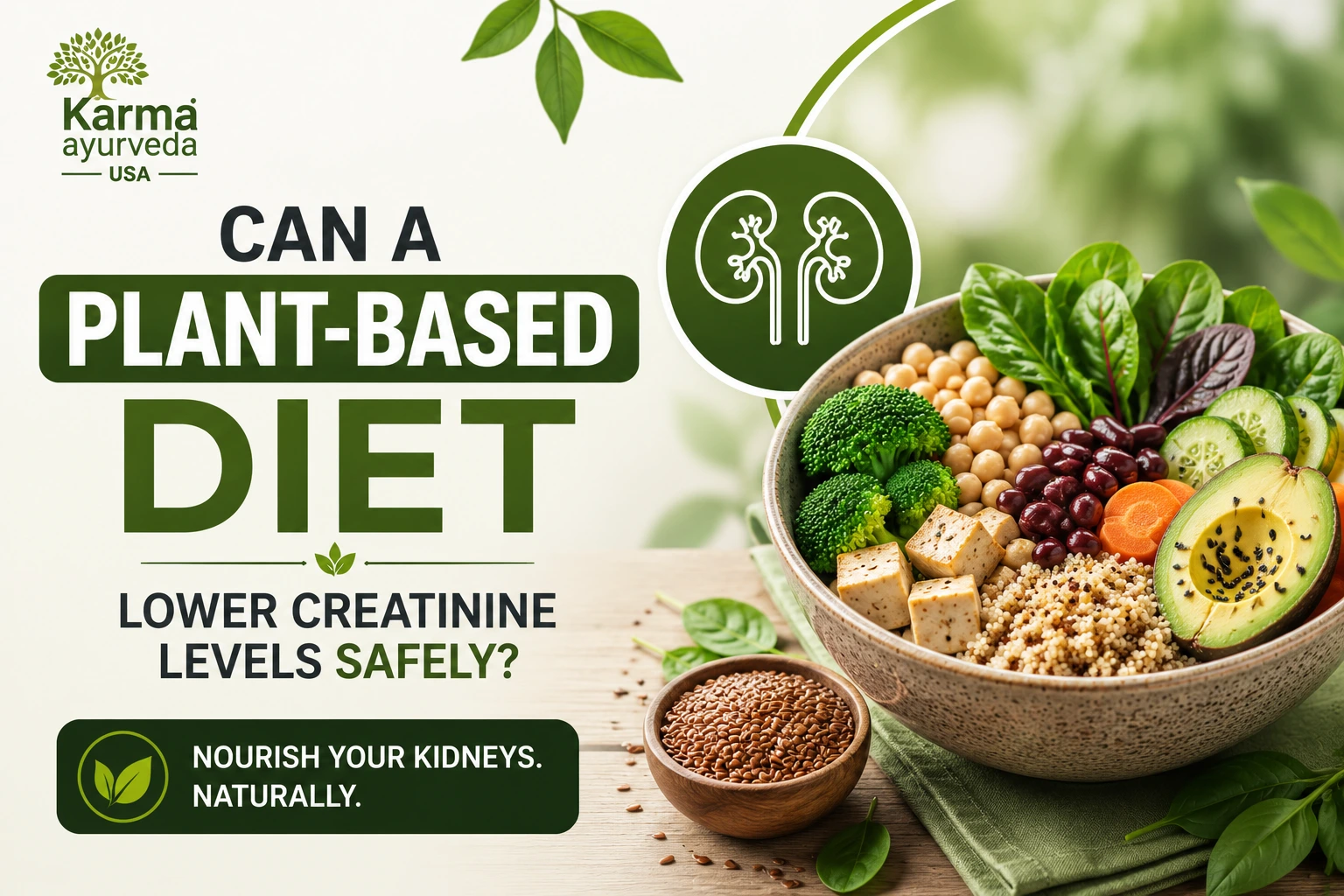

Short answer, no beating around the bush: yes, a thoughtfully planned plant-based diet for kidney disease can support healthier creatinine numbers for a lot of people. But, and this is a big but, like the kind that makes you sit down; it's not a switch you flip overnight, it's not guaranteed for everyone, and it definitely doesn't replace your nephrologist's advice. Think of it less like a magic potion and more like a slow, steady nudge in the right direction. Let's unpack why.
Key Takeaways
-
A well-planned plant-based diet may help support healthier creatinine levels by reducing kidney workload and inflammation.
-
Plant foods rich in fiber, antioxidants, and healthy fats can benefit overall kidney health.
-
Research suggests that healthy plant-based eating patterns are linked with better kidney function outcomes.6
-
-Quality matters; whole foods are far better than processed vegan or plant-based junk foods.
-
Staying hydrated, managing protein intake, and limiting processed foods can help support kidney function.
-
Diet alone cannot cure kidney disease or guarantee lower creatinine levels.
-
Always follow your nephrologist's or renal dietitian's advice before making major dietary changes.
What Is Creatinine, Anyway, And Why Does It Get So Much Attention?
Creatinine is basically the leftover exhaust from your muscles doing their daily job. Your muscles burn a compound called creatine for energy, and creatinine is what's left behind. Your kidneys are supposed to filter this out and send it packing through urine. When kidney function dips, creatinine builds up in the blood like dishes piling up in the sink when nobody's doing them, and a blood test picks up on that pile-up.
So, when your doctor says "your creatinine is a bit high," they're not insulting your muscles. They're saying your kidneys' filtering job might be working a little slower than usual.
So, Can a Plant-Based Diet Actually Move the Needle?
Here's where we answer the headline question properly. Diet doesn't directly "scrub" creatinine out of your blood; your kidneys still do that job. What diet can influence is the workload your kidneys are dealing with and the amount of inflammation and metabolic stress your body is under. A plant-based diet for kidney disease tends to be lower in saturated fat, lower in the kind of protein that creates more nitrogen waste, and higher in fiber and antioxidants; all of which can make life a bit easier for your kidneys.
That said, this is "may help," not "will cure." Creatinine levels are also affected by muscle mass, hydration, exercise intensity, certain medications, and underlying kidney damage that a salad can't undo. Cautious optimism is the name of the game here.
What the Research Actually Says (Not Just Internet Folklore)
Let's bring in some real studies instead of vague wellness-blog vibes.
-
González-Ortiz et al. (2020), published in the Journal of Nephrology, looked at 418 men aged 70–71 with chronic kidney disease stages 3 to 5 (the data was collected between 1991 and 1995 as part of a long-running Swedish cohort). People who followed a more plant-heavy eating pattern showed better insulin sensitivity and lower inflammation markers, even after the researchers adjusted for other lifestyle factors.
-
The Chronic Renal Insufficiency Cohort, or CRIC Study, led by Amir and colleagues and published in 2023 in the American Journal of Kidney Diseases, tracked 2,539 people with kidney disease who were originally recruited between 2003 and 2008. Following a healthy plant-based pattern was linked with a lower risk of death from any cause; though, importantly, an "unhealthy" plant-based diet (think fries and white bread) was linked to worse outcomes. Quality clearly matters more than just "plants good, meat bad."
-
Heo et al. (2024), published in the journal Nutrients, studied 106 patients with a genetic kidney condition called ADPKD in Seoul, South Korea. Higher adherence to a healthful plant-based eating pattern was associated with better kidney function markers, while a poor-quality plant-based diet was linked with higher creatinine and worse outcomes.
-
And for the history buffs: Giovannetti and Maggiore (1964) ran one of the earliest studies showing that a carefully designed low-protein diet could ease the burden on severely compromised kidneys, treating eight patients over several months. This study is often credited as the starting point for the entire field of nutrition therapy in kidney disease.
Notice a pattern? None of these studies say "eat plants, cure kidneys." They say "plant-heavy, well-planned diets are associated with better numbers and less inflammation." That's a meaningfully different, more honest claim, and one worth paying attention to.
Vegan Diet and Creatinine: Same Thing, Different Outfit?
People often ask about vegan diet and creatinine as if going fully vegan is the gold standard. Truth is, "plant-based" and "vegan" aren't always twins. A plant-based diet can still include modest amounts of fish, eggs, or dairy, while vegan means zero animal products, full stop.
For creatinine and kidney health specifically, what seems to matter more than the vegan label is protein quality and quantity. A vegan diet built on lentils, tofu, and whole grains can be excellent. A vegan diet built on vegan junk food, fried snacks, and sugary drinks? Not so much. So, if you're going vegan for your kidneys, do it with whole foods, not just because the packaging says "plant-based" in friendly green letters.
Pointers: How to Lower Creatinine Naturally Through Food
If you're looking to lower creatinine naturally, here are some sensible, doctor-friendly habits worth discussing with your healthcare team:
-
Moderate your overall protein intake, and lean toward plant proteins like lentils, beans, and tofu instead of large portions of red meat.
-
Stay properly hydrated, but don't overdo it; too much water doesn't "flush out" creatinine faster, despite what your cousin's WhatsApp forward claims.
-
Cut back on ultra-processed foods, which tend to be loaded with sodium and phosphorus additives that your kidneys have to work harder to manage.
-
Go easy on creatine supplements and excessive protein powders, especially if you're already managing kidney concerns.
-
Limit intense, prolonged workouts right before a blood test, since heavy exercise can temporarily bump up creatinine readings.
Anti-Inflammatory Foods Worth a Spot on Your Plate
Chronic low-grade inflammation is like a noisy neighbor that slowly wears down your kidneys over years. Including more anti-inflammatory foods in your meals is one of the more evidence-backed, low-drama things you can do:
-
Berries (blueberries, strawberries) for their antioxidant punch
-
Leafy greens like spinach and kale, in kidney-appropriate portions
-
Fatty plant sources like flaxseeds and walnuts for omega-3s
-
Turmeric and ginger, the seasoning aisle's quiet overachievers
-
Olive oil instead of heavily processed cooking oils
Building a Simple Kidney Disease Meal Plan
A good kidney disease meal plan isn't about deprivation; it's about smart swaps. Here's a quick, scannable cheat sheet:
|
Meal |
Common Question |
Kidney-Friendlier Swap |
|---|---|---|
|
Breakfast |
"Can I still have eggs?" |
Try oats with berries and flaxseed a few days a week; keep eggs occasional and portion-controlled |
|
Lunch |
"Is dal okay for kidneys?" |
Yes, in moderate portions; pair with rice and a small vegetable side rather than a protein-heavy spread |
|
Snacks |
"What about packaged namkeen or chips?" |
Swap for roasted chana, a small handful of nuts, or fresh fruit |
|
Dinner |
"Do I need to avoid all protein?" |
No; just shift the ratio toward plant proteins like tofu, beans, or paneer in small amounts |
|
Drinks |
"Should I drink more water?" |
Follow your doctor's specific fluid guidance, since "more is better" isn't always true in kidney disease |
This table is a starting point, not a prescription; your actual numbers, lab results, and CKD stage should guide the real plan, ideally with a renal dietitian in the loop.
Creatinine Reduction Strategies Beyond Just Food
Diet is one lever, but it's not the only one. A few other creatinine reduction strategies worth knowing about:
-
Manage blood pressure and blood sugar consistently; it will support your renal health massively.
-
Avoid unsupervised use of NSAIDs (like ibuprofen).
-
Prefer light exercises over heavy training.
-
Prioritize sleep.
-
Keep up with routine blood work so you and your doctor can track trends, not just one-off numbers.
A Word of Caution, Because We Actually Like Your Kidneys
Here's the cautious bit, said plainly: creatinine levels move for many reasons beyond diet; muscle mass, dehydration, certain medications, recent workouts, and the underlying degree of kidney damage all play a role. A plant-based diet for kidney disease is a supportive tool, backed by genuinely encouraging research, but it is not a verified cure, and results vary from person to person. If you have existing kidney disease, please loop in your nephrologist or a renal dietitian before making major dietary changes, especially around protein and potassium, since plant foods aren't automatically "safe" for every CKD stage.
The Bottom Line
So, can a plant-based diet lower creatinine levels safely? The honest, non-hype answer is: it can help create the conditions for better kidney health and potentially steadier creatinine numbers, especially when the diet is well-planned, whole-food focused, and paired with proper medical guidance. It's not a quick fix, and anyone promising you a guaranteed drop in creatinine from diet alone is probably trying to sell you something. Talk to your doctor, bring real food to the table, and give your kidneys the quiet, steady support they've been asking for all along.
Disclaimer: Please consult your doc if you have a serious renal issue. Avoid relying too much on the information floating on the internet.
FAQ
Does a plant-based diet reduce creatinine?
A plant-based diet may help support lower creatinine levels by reducing stress on the kidneys.
Are plant proteins easier on kidneys?
In many cases, plant proteins are considered gentler on the kidneys than large amounts of animal protein.
Can vegans have lower creatinine levels?
Some vegans may have lower creatinine levels due to lower meat intake and different protein sources.
What foods lower creatinine naturally?
Fruits, vegetables, whole grains, beans, and other plant-based foods may help support healthy creatinine levels.