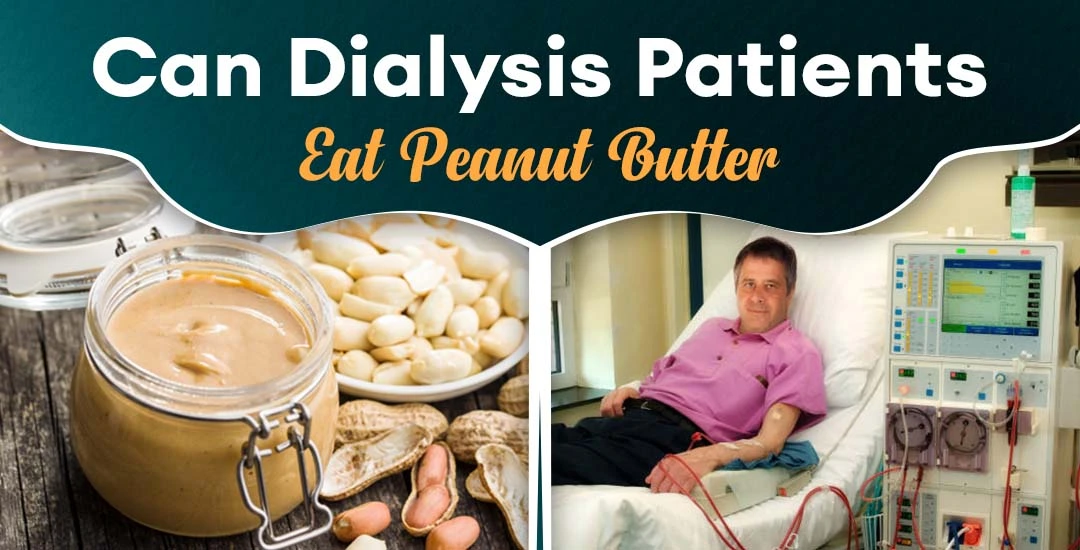

If you’re on dialysis, you’ve probably spent hours staring at food labels, calculating grams of potassium, phosphorus, and sodium like a mini scientist. It can feel like every bite is a test. And then comes peanut butter; smooth, creamy, nutty, sometimes crunchy, calling your name from the jar. But the big question is: can dialysis patients eat peanut butter? Let’s dig in… slowly, like spreading that peanut butter on toast.
The Nutritional Profile of Peanut Butter
Peanut butter is delicious and convenient. It’s high in protein, healthy fats, and even gives you a bit of fiber. For most people, it’s a great snack, a sandwich spread, or a dessert hack. But dialysis changes the game. Your kidneys, if you remember, are the filtration experts of your body. Dialysis helps, but it’s not a perfect replacement. Certain nutrients, like potassium and phosphorus, can build up in your blood if you’re not careful.
Here’s the catch: peanut butter is rich in potassium and phosphorus. That’s not inherently bad; it’s actually healthy for most people, but for dialysis patients, too much can be dangerous. High potassium levels can mess with your heart rhythm. High phosphorus levels can weaken your bones and increase the workload on your heart. So, peanut butter for a renal diet isn’t forbidden, but portion control is your new best friend.
Why is Peanut Butter Bad for Kidneys?
It can be detrimental to the kidneys because it is high in potassium and phosphorus, which the damaged kidneys cannot remove properly. Too much can raise blood levels, leading to heart rhythm problems and bone weakness. It’s also calorie-dense, so large portions add extra strain. However, small amounts consumed once in a while do not really pose any problems.
📩 Ask a Kidney Expert (Free 10-Min Consultation)
Peanut Butter for Dialysis Patients
Peanut butter and dialysis can be friends, but you have to exercise portion control. Peanut butter is high in protein and healthy fats, but it’s also rich in potassium and phosphorus, which dialysis patients need to limit. An occasional spoon is usually okay if your lab reports are fine.
Can Dialysis Patients Eat Peanut Butter Without Worrying?
Yes, dialysis patients can eat peanut butter, but in small, controlled amounts. A small serving (about 1 tbsp) occasionally is usually okay if blood levels are stable. It will be better if you consult your nephrologist or dietitian before including peanut butter in your diet.
Is Peanut Good for Creatinine?
No, as they contain protein, which can increase waste products if eaten in excess. For people with high creatinine, small portions may be fine, but you need to discuss with your doc first.
📩 Ask a Kidney Expert (Free 10-Min Consultation)
How Much Peanut Butter is Safe?
Let’s be real: nobody wants a long list of dos and don’ts without numbers. The good news is, you can still enjoy peanut butter, just in moderation. For most dialysis patients, one to two tablespoons per day is generally considered safe. That’s like a small spoonful on toast or mixed into oatmeal.
Pro tip: always check with your dietitian or nephrologist before adding peanut butter to your daily routine. Everyone’s lab numbers are different, and what’s safe for one person might be too much for another.
Choosing the Right Peanut Butter
Not all peanut butters are created equal. Some have added salt, sugar, or even oils that can make them less kidney-friendly. If you’re on dialysis, go for natural, unsalted peanut butter. That way, you avoid extra sodium and hidden additives that could complicate your diet.
Also, smooth vs. crunchy? That’s personal preference, but keep an eye on portion size. It’s easy to overeat peanut butter when it’s crunchy and irresistible. A little goes a long way, like a good joke at a family dinner.
Peanut Butter Alternatives
If your potassium or phosphorus levels are tricky, some alternatives are gentler on the kidneys. Almond butter, cashew butter, and sunflower seed butter can be options, but the same rules apply: watch your portion and check labels for added salts or sweeteners.
Combining a small amount of peanut butter with other low-potassium foods like white bread, rice cakes, or fresh fruits is also kidney-friendly.
Tips for Dialysis Patients Enjoying Peanut Butter
-
Measure your serving – Trust me, your hand might have a mind of its own.
-
Check lab numbers regularly – Your potassium and phosphorus levels are your guide. If they spike, cut back.
-
Balance your diet – Pairing peanut butter with low-potassium foods and veggies safe for dialysis patients may be a healthier alternative.
-
Opt for natural – Try to go for a peanut butter that has no salt and added sugar, or oil.
Fun Ways to Include Peanut Butter
Don’t think you have to eat it by the spoonful (though I won’t judge if you do). Some cool ways to incorporate peanut butter in your diet can be:
-
Spread a very thin layer on your toasts or crackers.
-
Mix a small scoop into oatmeal or porridge.
-
Blend a tiny amount into smoothies for creaminess.
-
Use it as a dip for allowed fruits like apple slices (check potassium content).
Remember, it’s about quality, not quantity. One teaspoon of joy is better than three tablespoons of regret.
When to Avoid Peanut Butter Completely
There are situations where peanut butter might not be safe:
-
If your potassium or phosphorus levels are consistently high.
-
If your doctor has advised a strict low-potassium or low-phosphorus diet.
-
If you have peanut allergies (obviously).
The Bottom Line
Can dialysis patients eat peanut butter? Yes… But carefully. Think small portions, natural peanut butter, and regular lab monitoring. Peanut butter isn’t the enemy; it’s a flavorful treat that can fit into your diet with a little planning.
Disclaimer: This article is just for educational purposes and does not support any other relevance. Please discuss a kidney-friendly diet with your doctor if you are a dialysis patient.
FAQ
Why can't dialysis patients eat peanut butter?
Peanut butter is high in potassium and phosphorus.
Is peanut butter high in potassium?
Yes, peanut butter contains a good amount of potassium, especially if eaten in large portions.
Are peanuts okay for dialysis patients?
Usually no. Peanuts are also high in potassium and phosphorus, so they should be avoided or eaten only in very small amounts if a doctor allows.