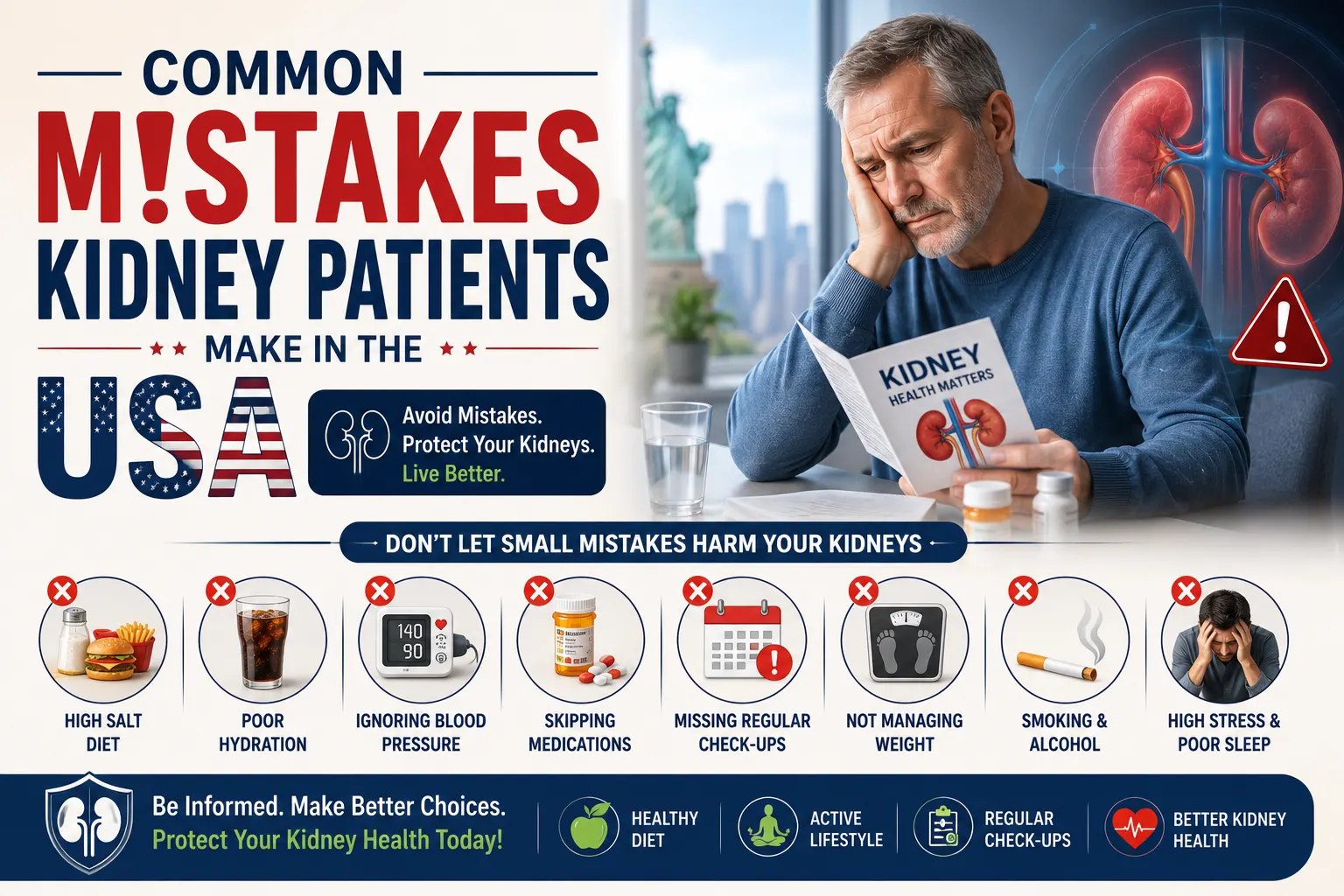

So, what's the biggest reason kidney health goes downhill even when patients are "trying their best"? Honestly, it's not one dramatic thing; it's a bunch of small, sneaky habits. Kidney patients make mistakes every single day without even realizing it, and most of them are far more avoidable than people think.
I'm not saying this to scare anyone. I'm saying it because once you know what these slip-ups actually look like, they're shockingly easy to fix. Kidneys are quiet organs; they don't throw a tantrum the moment something's off. They just... quietly keep score. And by the time symptoms show up, they've usually been keeping that score for years.
Let's talk about where things actually go wrong.
Mistake #1: Playing Fast and Loose with Medications
This one's huge. A review published in the Journal of Nephrology found that medication non-adherence among CKD patients hovers around 39%, and other studies put the range anywhere from 17% to over 50%, depending on the population studied. That's basically one in three to one in two patients not taking their meds the way they're supposed to.
Why does this happen? Usually not laziness; it's complicated regimens, side effects nobody warned them about, or just plain "I felt fine, so I skipped a dose." But skipping blood pressure or RAASi medications specifically has been linked to a higher risk of cardiovascular events and even death in patients with hyperkalemia, according to research published in BMC Nephrology. Basically, your pill organizer is doing more heavy lifting than you realize.
Mistake #2: Treating Diet Like a Suggestion, Not a Plan
Sodium, potassium, phosphorus; for kidney patients, these aren't just nutrition label trivia. They're load-bearing walls. A lot of kidney care mistakes happen right here in the kitchen: too much processed food, "just one" salty snack, or skipping the renal dietitian appointment because "diets are boring."
A retrospective study tracking CKD patients on a low-protein diet over three years found that those who actually stuck to their prescribed protein intake preserved kidney function significantly better than those who didn't. Translation: the diet plan isn't a gentle suggestion your doctor made up to ruin your weekend. It's doing real, measurable work.
Mistake #3: DIY-ing Supplements and "Natural" Fixes
Here's where things get dicey. Plenty of USA kidney patients turn to herbal supplements, mega-dose vitamins, or random detox teas hoping for a shortcut. Some of these can actually stress the kidneys further, especially in higher doses or when combined with prescription meds. If you're curious about natural kidney support, the safer route is asking your nephrologist first; things like staying hydrated appropriately, managing blood sugar, and eating potassium-conscious meals go a lot further (and are a lot less likely to backfire) than a mystery bottle from the internet.
Mistake #4: Skipping Follow-Ups Because "I Feel Fine"
CKD is notoriously sneaky in its early stages; you can lose a good chunk of kidney function and still feel totally normal. Skipping routine labs is one of the most common kidney health errors out there, simply because there's no obvious "check engine light" telling patients to come in.
Mistake #5: Ignoring the Mental Load
Chronic illness is exhausting, and the emotional side of CKD care often gets brushed aside. Stress and burnout can quietly sabotage adherence to diet and medication; it's all connected.
Quick Comparison: What Kidneys Love vs. What Makes Them Cry
|
Kidneys Love |
Kidneys Hate |
|
Water (the boring, plain kind) |
Energy drinks at 2 a.m. |
|
Home-cooked, low-sodium meals |
Take-out three nights in a row |
|
Taking meds on schedule |
"I'll take it tomorrow, promise" |
|
Regular check-ups |
Ghosting your nephrologist |
|
Asking questions |
Googling symptoms at midnight |
Key Takeaways
-
Kidney patients make mistakes most often around medication timing, not intent; complexity and side effects are the real culprits.
-
Diet adherence isn't optional fluff; studies show it measurably slows disease progression.
-
Random supplements aren't automatically "safe" just because they're labeled natural.
-
Skipping routine labs lets early kidney damage hide in plain sight.
-
Emotional wellbeing directly affects how well patients stick to their care plan.
FAQs
Q: What's the most common mistake kidney patients make?
A: Skipping or adjusting medications on their own without checking with their doctor first.
Q: Are herbal supplements safe for kidney patients?
A: Not automatically; some can stress the kidneys further, so it's best to check with a nephrologist first.
Q: Why do kidney problems often go unnoticed for so long?
A: Because kidneys can lose significant function while a person still feels completely normal, which is why regular labs matter.
Q: Does stress actually impact kidney health management?
A: Indirectly, yes; stress and burnout often lead to skipped meds and poor diet choices, which do affect outcomes.
Disclaimer: This blog is for general informational purposes only and isn't a substitute for professional medical advice. Always consult your nephrologist or healthcare provider before making changes to your medications, diet, or supplement routine. Individual kidney health needs vary widely from person to person.