
Does Cupping Therapy Work? Let's Find Out (Without Getting Weird Circular Bruises First)
Cupping therapy can provide temporary pain relief and relaxation, but results vary. It is not a guaranteed treatment and should be used alongside proper medical advice.
So, you've seen those perfectly round purple circles on Michael Phelps' back at the Olympics. Or maybe your colleague walked into the office looking like a giant octopus gave them a very enthusiastic hug. And now you're wondering: does cupping therapy work, or is this just another wellness trend that belongs in the same bin as crystal healing and moon water?
Fair question. Let's talk about it properly.
What Is Cupping Therapy?
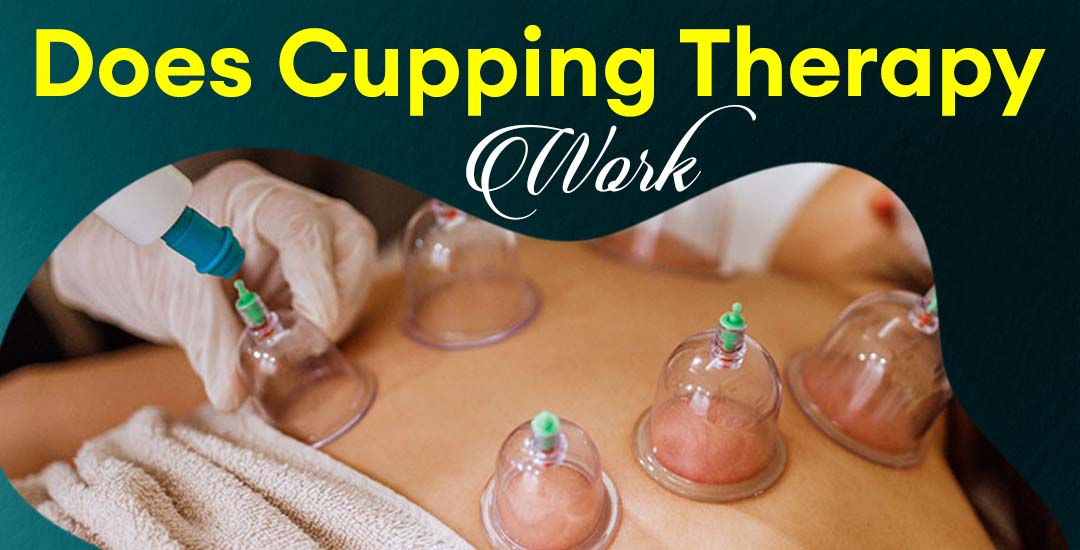
Cupping is one of those things that sounds medieval because, well, it kind of is a natural pain relief therapy. Dating back thousands of years across Chinese, Middle Eastern, and Egyptian traditions, it involves placing cups, usually made of glass, silicone, or bamboo, on the skin and creating suction. That suction pulls the skin and superficial tissue upward into the cup, which is where those fun circular bruise-like marks come from.
There are two main types: dry cupping (just suction) and wet cupping, which is the more intense version that involves tiny incisions and is known in Islamic tradition as Hijama therapy. Both have been used for centuries to treat everything from back pain to digestive issues to just general "I feel terrible and don't know why."
Think of it like a reverse massage. Instead of pressing down on your muscles, cupping pulls upward. It's like your muscles finally getting to vent their frustrations upward.
Does Cupping Therapy Work? What the Science Actually Says
Here's where it gets interesting. Although scientific studies have validated the use of cupping therapy as a treatment, valid and significant studies do not report any remarkable or scientific results. But here are some of the benefits of cupping therapy backed by science:
-
This therapy has been shown to increase blood flow in a specific area of the body, decrease tension in muscles, and produce localised healing responses.
-
Some research has reported statistically significant decreases in pain reported by individuals who received cupping treatments, particularly in the neck and lower back regions.
A systematic review published in 2018 in PLOS ONE states that cupping therapy has significantly reduced chronic neck pain when compared to the control group results. Another study has demonstrated cupping therapy to be a viable method for reducing knee osteoarthritis-related pain. These aren't massive sample sizes, but they're nothing either.
The catch? We still don't fully understand the why behind the Cupping therapy benefits. The proposed mechanisms include improved circulation, relaxation of connective tissue, the "gate control" theory of pain, where one sensation blocks another, and something called the "pain-pressure balance" hypothesis. Basically, science agrees something is happening; it's just still working out the paperwork.
Is Hijama Therapy Effective or Just a Myth?
This is the question people are really asking when they look up is hijama therapy effective or just a myth at 11 pm after their third video of someone getting cups applied to their back. The honest answer is, it's not a myth, but it's also not magic.
There is a lengthy record of Hijama (also known as cupping) in Islamic medicinal tradition, as well as vast respect for this practice. Evidence regarding its use has increased in recent times through recent medical research studies. Some articles indicate that it may be beneficial in the treatment of such ailments as hypertension, chronic fatigue syndrome, and psoriasis.
Hijama has been used by traditional practitioners for hundreds of years with a high level of satisfaction among their clients/patients, but scientific research has not shown that hijama has been proven beneficial. However, there is current research being done to support the benefits of hijama and to continue the use of hijama by millions of people.
The nuance lives somewhere between "ancient mysticism" and "peer-reviewed perfection," and that's okay.
Does Cupping Therapy Actually Work for Pain Relief?
If you've been Googling does cupping therapy actually work for pain relief, here's the practical answer. For acute and chronic musculoskeletal pain, especially in the back, neck, and shoulders, there's a decent amount of evidence that it helps. Many physiotherapists and sports medicine professionals now use it as part of a broader treatment plan, not as a standalone cure-all.
Athletes use it for muscle recovery. People with desk jobs use it for that specific kind of neck tension that feels like their upper body is being slowly turned into concrete. And people with chronic conditions like fibromyalgia have reported improvements in quality of life with regular sessions.
The keyword is "complement." Cupping works best alongside other interventions: good sleep, movement, hydration, and ideally a trained practitioner who knows what they're doing. It is not a substitute for medical diagnosis or treatment. If your back hurts because something structural is wrong, cups won't fix that. If it hurts because your muscles are screaming from stress and tension, cupping might be exactly what they need.
Cupping is a conversation between your body and an ancient technique. Sometimes bodies need that conversation. Sometimes they need an MRI. Know the difference.
Cupping Therapy in India: Is It Actually a Thing Here?
The use of cupping therapy in India is increasingly popular and is being practised extensively in urban centres. The basis of cupping therapy includes Ayurvedic principles, Islamic Hijama, and modern-day sports science as it relates to recovering from injuries.
Cupping therapy practitioners can be found in wellness centres, physiotherapy clinics, and Hijama Centres, and are typically at a lower cost than in Western countries.
There is a growing number of people who are becoming familiar with alternative forms of medicine, such as cupping therapy, and this is leading to a change towards integrative medicine. As such, many people are looking for an integrative approach to the relationship between traditional and modern therapeutic practices.
So, Does Cupping Therapy Work?
The answer is a satisfying "yes, for the right things, with the right expectations." It's not going to cure your chronic illness overnight. It won't replace your doctor, your physiotherapist, or your prescribed medication. But as a wellness & alternative therapy for pain relief, muscle recovery, stress, and circulation? The evidence is encouraging, the tradition is ancient, and the worst thing that happens is you leave with some very photogenic circular marks that you'll have to explain at the gym.
If you're curious about trying it, look for a qualified and experienced practitioner. Searching for hijama therapy near me and researching reviews, qualifications, and cleanliness standards is critical when considering alternative medicine cupping, as proper sanitation is probably the most important factor to consider before choosing a practitioner. Beginning with dry cupping may help ease you if you are hesitant. Consult with your doctor before beginning treatment if you have any type of blood disorder, skin condition, or are pregnant.
FAQ
How effective is cupping therapy?
It can help with pain and muscle tension for some people, but results vary, and it’s not a magic cure.
What are the negatives of cupping therapy?
It can leave bruises, cause skin irritation, and if done poorly, may lead to burns or infection.
Does cupping help with nerve entrapment?
It might give temporary relief by loosening tight muscles, but it doesn’t fix the root nerve issue.
How often should you do cupping?
Usually, once a week or every few weeks is enough.