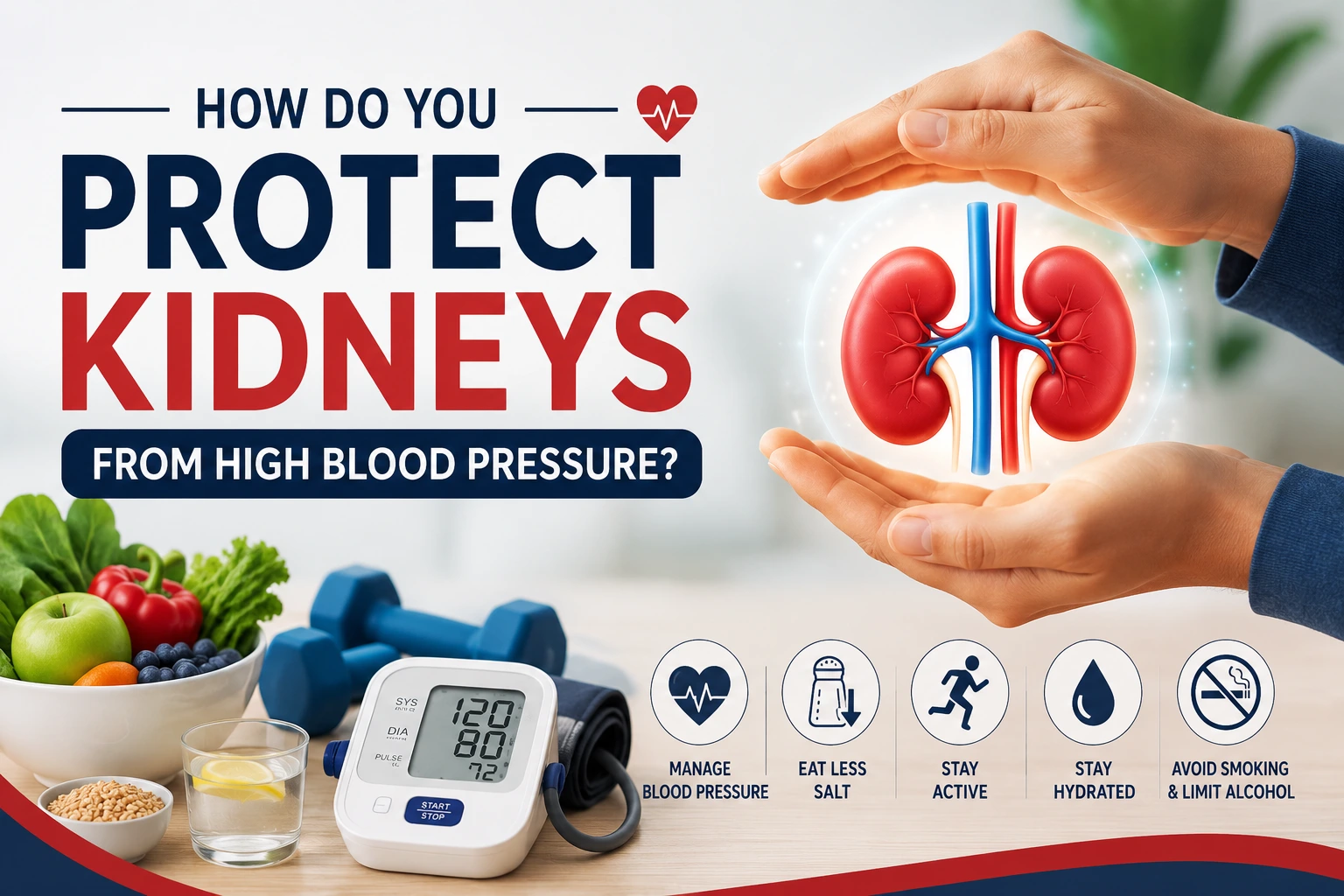

Okay, let's not bury the lead. The way to protect kidneys from high blood pressure is to keep your blood pressure steady and under control, day after day, through stuff like eating less salt, moving your body, dropping extra weight if you're carrying it, chilling out on stress, and taking your meds if your doctor put you on them. Why? Because every time your blood pressure spikes, it's basically pounding away at the tiny blood vessels packed inside your kidneys. Do that for years, and those vessels start giving up.
That's the whole answer in a nutshell. But stick around, because the "how" and "why" are actually pretty interesting, and I promise this won't read like a textbook.
Wait, What Do Kidneys Even Have to Do With Blood Pressure?
Picture your kidneys as two tiny, tireless filtration plants sitting just below your ribcage. No days off, no lunch breaks, nothing. They filter around 50 gallons of blood every day, pulling out waste and keeping your fluids balanced. To pull this off, they're stuffed with millions of microscopic blood vessels called nephrons.
Here's where it gets messy: high blood pressure kidneys don't get along well at all. When your blood pressure stays high for too long, it's like cranking a garden hose on full blast through a delicate sprinkler head; eventually, something gives. The constant pressure beats up the walls of those tiny vessels, and slowly, your kidneys start losing their filtering power.
The National Kidney Foundation pulled together research in 2021 showing that high blood pressure is the second biggest cause of kidney failure in the US, just behind diabetes. That's not some minor side note; that's a huge deal.
It's Actually a Two-Way Mess
Here's the part most people don't realize: it's not a one-way street where high blood pressure just beats up your kidneys, and that's it. Hypertension kidney disease are more like a messy back-and-forth. Once your kidneys get damaged, they can't manage fluid and sodium properly anymore, which then pushes your blood pressure even higher. Sound familiar? It's like two roommates blaming each other while the apartment slowly falls apart around them.
Researchers led by Whelton and colleagues in 2017, working on guidelines for the American College of Cardiology and American Heart Association, found that even blood pressure that's only somewhat elevated, if it sticks around for years, noticeably raises your odds of chronic kidney disease getting worse. So, we're not just talking about avoiding some dramatic kidney failure scenario down the road. We're talking about protecting how well your kidneys work right now and for years to come.
So, Can Lowering Blood Pressure Actually Improve Kidney Function?
People ask this one a lot, and honestly, the answer is encouraging. Can lowering blood pressure improve kidney function? In a lot of cases, yes, especially if you catch things early.
There's a well-known study called the SPRINT trial, run by the National Institutes of Health between 2010 and 2015, where researchers pushed systolic blood pressure down below 120 mmHg instead of the usual 140 mmHg target. Turns out, this lowered heart-related problems and showed promising signs for kidney health in a lot of participants, though it did stir up some short-term changes in kidney markers that scientists are still digging into. The big takeaway? Tighter blood pressure control tends to slow the damage down, even if it can't undo everything that's already happened.
So no, dropping your blood pressure won't magically regrow kidney tissue like something out of a sci-fi movie. But it can absolutely stop things from getting worse, and in earlier stages, it can genuinely help your kidneys work better than they would have otherwise.
How to Prevent Kidney Damage From Hypertension, Without Overhauling Your Whole Life
Let's get into the practical stuff. How to prevent kidney damage from hypertension isn't really about being perfect. It's about showing up consistently. Here's what actually helps:
-
Ease up on the salt, not the flavor. Salt makes your body hold onto water, and that bumps up your blood volume and pressure. You don't have to eat boring food; just lean on herbs, lemon, garlic, and spices instead of reaching for the salt shaker every five minutes.
-
Get your body moving. Nobody's asking you to train for a marathon. Even a brisk 30-minute walk, five days a week, can meaningfully bring your blood pressure down over time.
-
Keep an eye on your weight, but don't stress over it. Carrying extra weight makes your heart and kidneys work overtime. Even losing 5-10% of your body weight can lead to a real, noticeable drop in blood pressure.
-
Go easy on alcohol and skip the cigarettes. Both of these put direct stress on your blood vessels, including the delicate ones tucked inside your kidneys.
-
Take stress seriously. Chronic stress keeps your body stuck in fight-or-flight mode, and that keeps your blood pressure elevated, too. A few deep breaths, a short walk, or even watching something that makes you laugh actually counts as legit kidney protection.
-
Don't skip your meds. If your doctor put you on blood pressure medication, skipping doses because "you feel fine" is a bit like disconnecting your smoke detector because there's no fire right now. High blood pressure is sneaky precisely because it usually doesn't come with any warning signs.
-
Keep up with checkups. Simple blood and urine tests can pick up on early kidney changes way before you'd ever feel anything off.
A study by Appel and colleagues in 2010, part of the larger DASH-Sodium research, found that combining a low-sodium diet with the DASH eating style brought blood pressure down significantly in just a few weeks. That's a pretty fast payoff for a few dietary tweaks.
📩 Ask a Kidney Expert (Free 10-Min Consultation)
Best Foods for High Blood Pressure and Kidneys
Here's the part that's actually kind of fun: eating well for this doesn't have to feel like punishment. Some of the best foods for high blood pressure and kidneys include leafy greens like spinach and kale (in reasonable amounts, since they're high in potassium, which matters more if kidney function is already reduced), berries, garlic, beets, oats, and fatty fish like salmon. These foods support healthy blood vessels and help calm down inflammation in the body.
If you want a simple template to follow, a kidney-friendly blood pressure diet that doctors and dietitians bring up constantly is the DASH diet, which stands for Dietary Approaches to Stop Hypertension. It's built around fruits, vegetables, whole grains, lean protein, and low-fat dairy, while cutting back on processed food, red meat, and added sugar. Honestly, it's less of a strict "diet" and more of a long-term way of eating that just happens to make your kidneys really happy.
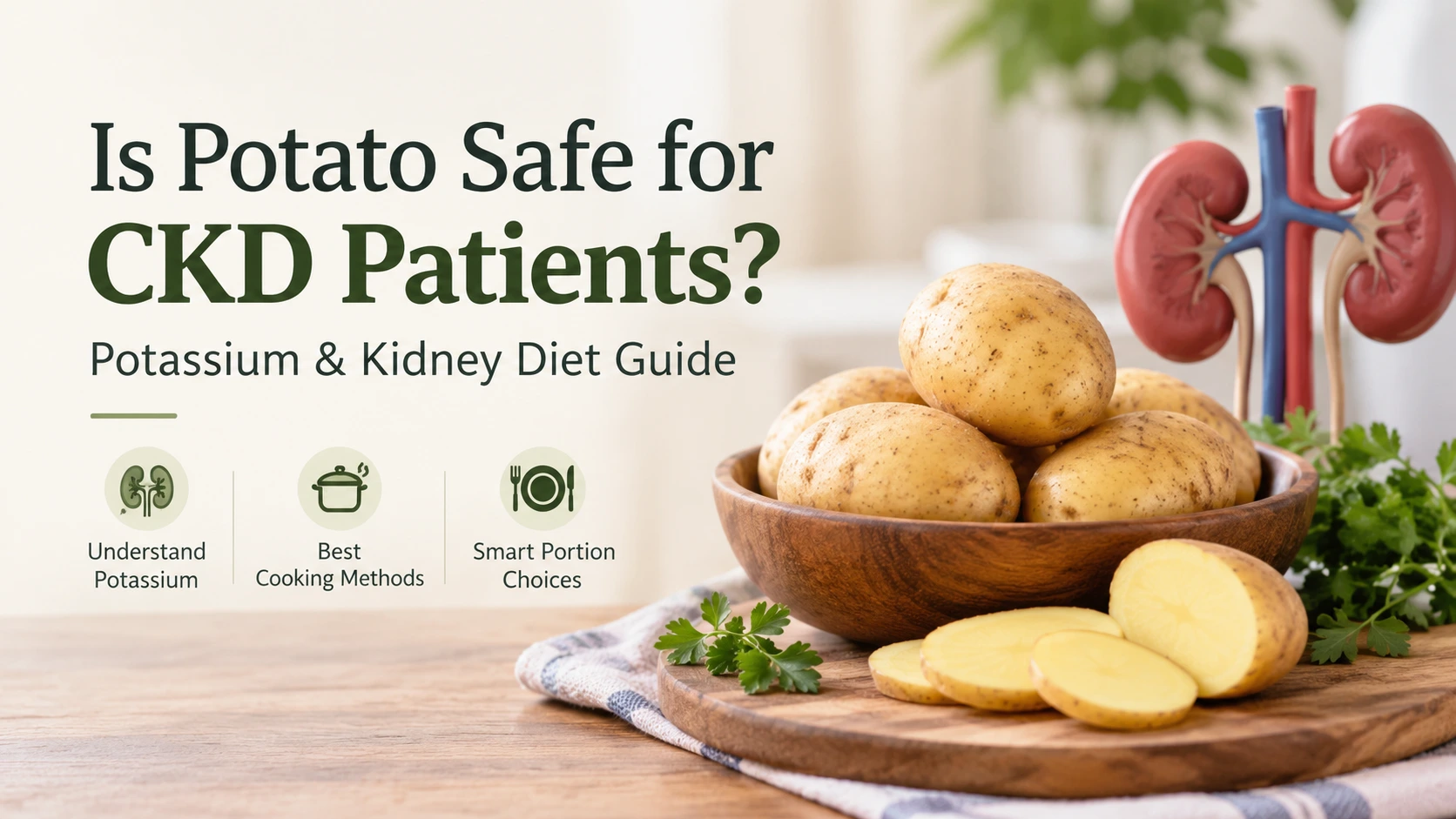
One thing worth flagging: if your kidney function is already reduced, some foods that are usually great for your heart, like bananas or potatoes, might need to be limited since they're loaded with potassium and damaged kidneys can struggle to filter it out properly. This is exactly why it's worth talking to a doctor or dietitian for advice that actually fits your situation.
Preventing Hypertension Kidney Damage Starts Now, Not Eventually
Let's be real here: hypertension kidney damage prevention isn't some one-and-done fix. It's a habit you build, kind of like brushing your teeth or remembering to charge your phone before bed. The good news is your kidneys are pretty tough and forgiving if you catch problems early and stay consistent.
A massive long-term study by Klag and colleagues, published in the New England Journal of Medicine back in 1996, tracked over 300,000 men for 15 years and found a clear, direct link between elevated blood pressure and a higher risk of kidney failure. Even modest, sustained blood pressure control made a real difference over time.
The Bottom Line
To protect kidneys from high blood pressure, you don't need to go to extremes or chase perfection. You need to show up consistently: eat smart, move your body regularly, manage your stress, actually take your medications, and keep up with checkups. Your kidneys quietly grind away for you every single day without ever complaining. The least you can do is keep their environment calm and steady.
Disclaimer: Please discuss your symptoms with your doc if you have severe renal issues. Avoid DIY treatment.
FAQ
How do I keep my kidneys healthy with high blood pressure?
Keep your blood pressure under control, hydrate well, and consume a low-salt diet.
Can your kidneys recover from high blood pressure?
If treated early, you have a bright prognosis. However, severe renal damage is often irreversible.
How do I protect my kidneys naturally?
Eat healthy, stay hydrated, exercise regularly, avoid smoking, and limit excess salt.
Can lowering blood pressure improve kidney function?
Yes, controlling blood pressure can help protect your kidneys and slow further damage.