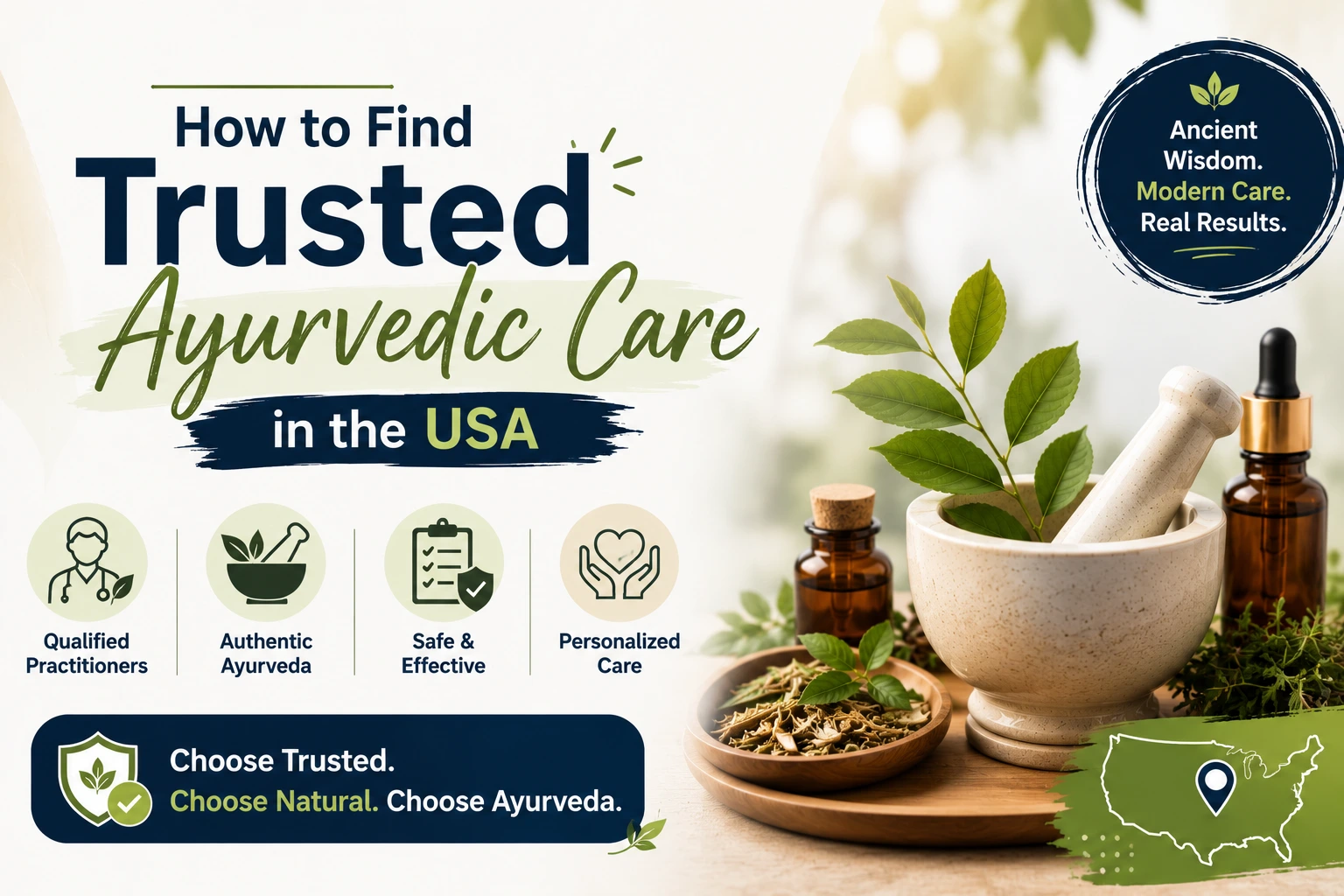

Short answer: you find trusted Ayurvedic care in the USA by checking credentials, reading reviews like you're stalking a potential roommate, and never trusting a "doctor" whose only diploma is a Instagram bio. That's it. That's the tweet. But since you're here for more than a tweet, let's actually unpack how to do this without ending up with a suitcase full of mystery powders and zero results.
Ayurveda has quietly gone from "that thing your aunt does" to a legitimate wellness trend across America, and with that popularity comes... a lot of people who watched three YouTube videos and now call themselves healers. Somewhere between the genuine practitioners and the guy selling turmeric shots out of a van, there's a real system of care worth finding. It just takes a little detective work.
Why "Trusted" Is the Operative Word Here
Ayurveda isn't regulated the same way conventional medicine is in the US. There's no single national licensing board that stamps every practitioner with a shiny seal of approval. That's exactly why trusted Ayurvedic care in the USA matters more than just "nearby Ayurvedic care." Anyone can print business cards. Not everyone has actually studied the doshas, pulse diagnosis, or herb-drug interactions in depth.
A real Ayurvedic doctor (often trained as a BAMS graduate in India, or certified through NAMA-recognized US programs) understands both the traditional theory and where it needs to respectfully step aside for modern medicine. That combination is the whole ballgame.
The Checklist: What to Actually Look For
Before you hand over your credit card or your kidneys (figuratively, mostly), run through this:
-
Credentials that are checkable: BAMS degree, NAMA certification, or a verifiable Ayurvedic institution, not just "10 years of experience" with zero paper trail
-
A real, physical Ayurveda clinic USA address, not just a WhatsApp number and a prayer
-
Willingness to work alongside your regular doctor, not replace them
-
Clear sourcing of herbs; lab-tested, not "my cousin brought it from the market"
-
Transparent pricing upfront, no mystery "energy exchange" fees
-
Reviews that mention actual outcomes, not just vibes
The Herb Question: Kidney Health as an Example
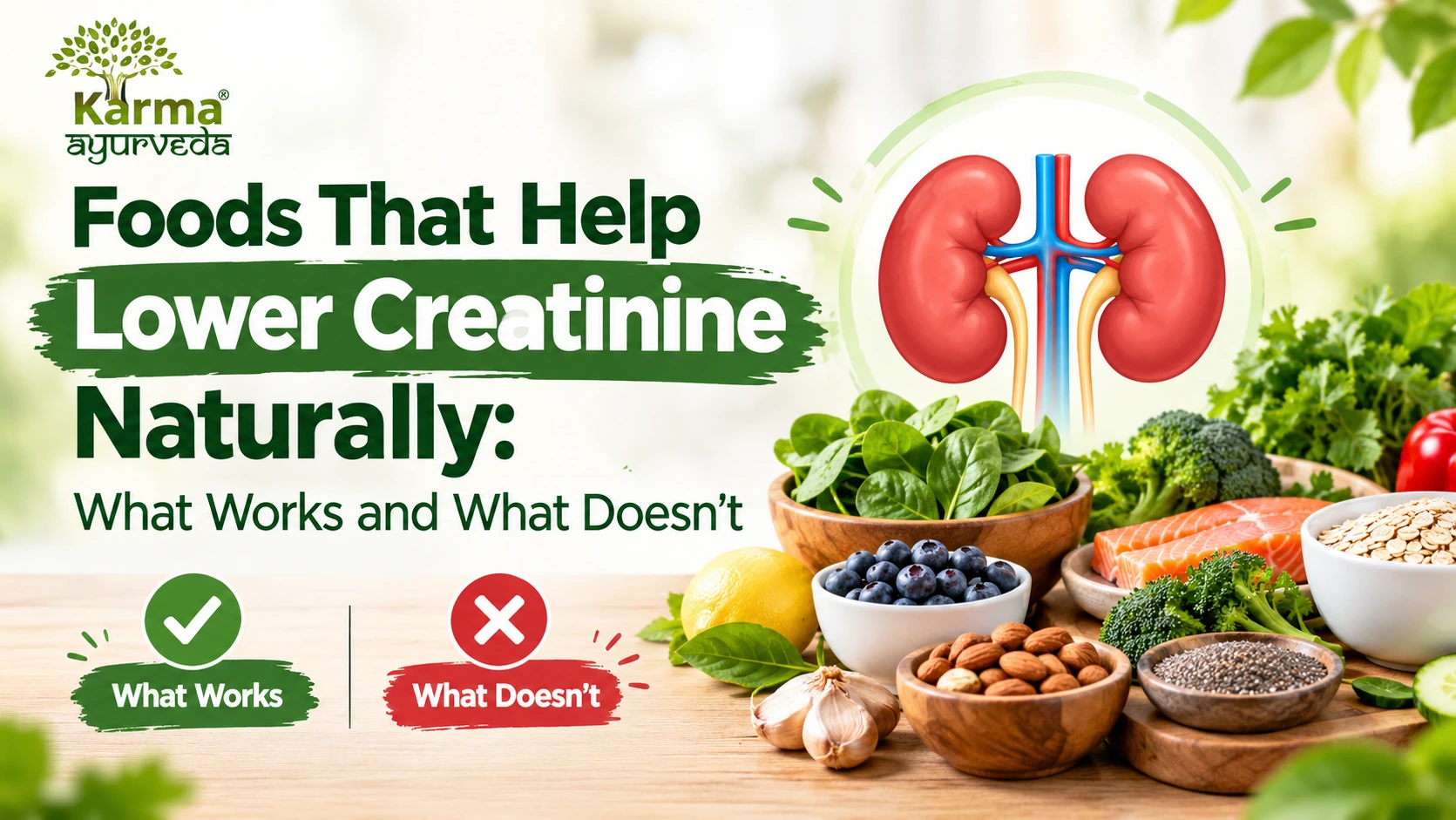
Let's talk about something people search for constantly: kidney treatment in the USA through Ayurveda, specifically for natural kidney care. This is a great case study for why "trusted" matters so much.
Punarnava (Boerhavia diffusa) is one of Ayurveda's most talked-about herbs for kidney support, and it's not pure folklore; animal research has shown Punarnava extract can help protect kidney cells from damage and appears to lower serum creatinine and urea, both key markers doctors use to check kidney function. A pharmacological review of the herb similarly rounds up decades of studies pointing to its supportive role in kidney and urinary health (Patel, Thakur & Gupta, Ayurvedic Journal of Health Sciences, 2019).
Sounds great, right? Here's the catch: a public health investigation into a lead poisoning cluster found toxic metals like lead, mercury, and arsenic in about half of the Ayurvedic product samples tested, at levels exceeding US safety limits. And a widely cited JAMA study by Saper and colleagues found that roughly one in five Ayurvedic products sold online contained potentially harmful levels of lead, mercury, or arsenic.
That's not an argument against Ayurveda. It's an argument against buying random jars off the internet instead of going through a properly vetted practitioner who sources and tests their herbs.
Red Flag Clinic vs. Green Flag Clinic
|
Situation |
Red Flag Clinic |
Green Flag Clinic |
|
Credentials |
"Trust me bro" energy |
BAMS/NAMA verified, happy to show you |
|
Herb sourcing |
"It's natural, so it's safe" |
Lab-tested, contamination-checked |
|
Your other meds |
Never asked |
Reviewed before any herb is suggested |
|
Consultation |
5-minute upsell |
Actual intake, history, and follow-up |
|
Website |
Stock photos of turmeric, that's it |
Real practitioner bios and reviews |
Yes, Online Consultations Count
If you can't find a solid clinic nearby, an online Ayurvedic consultation with a licensed practitioner is a legitimate way to start. Many reputable US-based Ayurvedic doctors now offer virtual intake sessions, dietary plans, and herb recommendations, then coordinate with local labs if any testing is needed. It's not lesser care, it's just care with better WiFi.
Key Takeaways
-
Verify credentials before you verify anything else; BAMS or NAMA certification is your friend
-
A legitimate Ayurveda clinic USA location or verified telehealth practice beats an anonymous online shop every time
-
Herb quality matters enormously; heavy metal contamination is a documented, real risk in unregulated products
-
Ayurveda should complement your regular doctor's care, especially for something as serious as kidney health
-
Online consultations are a valid entry point, not a shortcut around due diligence
Conclusion
Finding trusted Ayurvedic care in the USA isn't about finding the most mystical-sounding clinic near you. It's about applying the same common sense you'd use for any healthcare decision: check the credentials, ask about sourcing, and keep your regular doctor in the loop. Do that, and Ayurveda can be a genuinely useful piece of your wellness puzzle instead of an expensive gamble.
FAQs
Is Ayurvedic medicine regulated in the USA?
Not the way conventional medicine is, which is exactly why picking a credentialed practitioner matters so much.
Can Ayurveda actually help with kidney issues?
Certain herbs like Punarnava show promising supportive effects in studies, but they work best alongside, not instead of, your doctor's treatment plan.
How do I know if an Ayurvedic doctor is legitimate?
Look for a BAMS degree or NAMA certification, and don't be shy about asking to see it.
Are online Ayurvedic consultations as good as in-person ones?
For most intake, diet, and lifestyle guidance, yes, especially if the practitioner is properly licensed either way.
Are Ayurvedic herbal supplements safe?
Only if they're lab-tested for contaminants; unregulated products have been found to contain unsafe levels of heavy metals.
Disclaimer: This blog is for general informational purposes only and isn't medical advice. Ayurvedic treatments, including those for kidney health, should always be discussed with a licensed healthcare provider before starting. Individual results vary, and this article doesn't replace professional diagnosis or treatment.