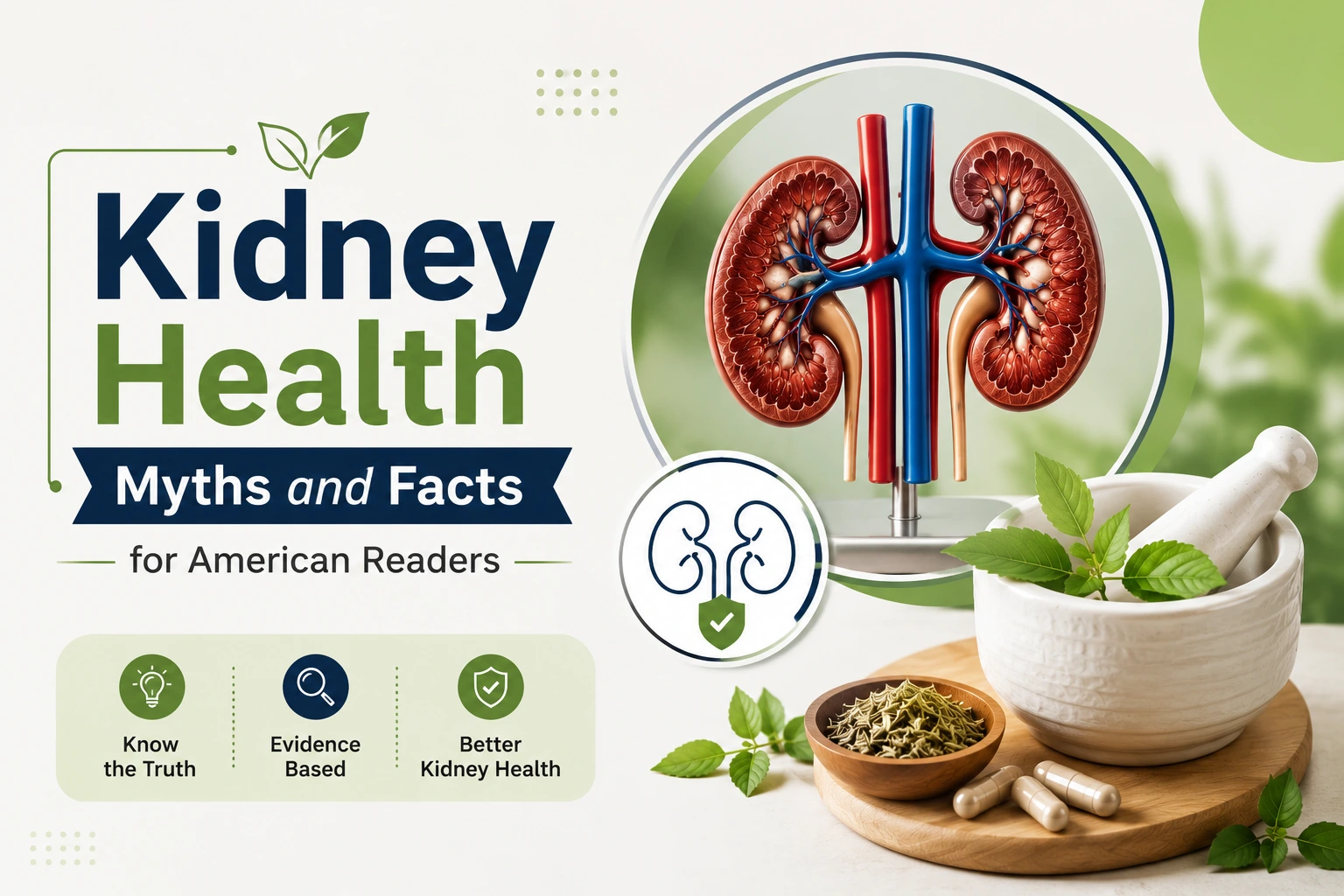

Can you live a normal life with just one kidney, and does drinking a gallon of water a day actually "flush out" your kidneys? Short answer: yes, to the first, and not really to the second. That's the whole tangled ball of yarn we're untangling today: kidney health myths and facts that get passed around at dinner tables, gym locker rooms, and group chats like they're gospel.
Here's the thing about kidneys: they're the Beyoncé of your organs. They work insanely hard, rarely get credit, and nobody notices them until something goes wrong. Your kidneys filter about 150 quarts of blood a day, and most of us couldn't even locate them on a diagram if our lives depended on it (spoiler: they kind of do). So, let's clear up the confusion with some real kidney health facts, sprinkled with the occasional bad joke, because science doesn't have to be boring.
Myth #1: "I'd Know If Something Was Wrong With My Kidneys"
This is probably the biggest of all kidney disease myths, and it's a dangerous one. According to the CDC's National Chronic Kidney Disease Fact Sheet, more than 1 in 7 U.S. adults have chronic kidney disease (CKD), and a staggering 9 in 10 of them don't even know it. Kidneys are quiet sufferers; they can lose up to 90% of function before symptoms show up. That's like your car's check-engine light not turning on until the engine has actually left the building.
Myth #2: Only Old People Need to Worry
Nope. Diabetes and high blood pressure are the top two causes of kidney disease in the U.S., per the National Institute of Diabetes and Digestive and Kidney Diseases (NIDDK), and both conditions are showing up in younger adults more than ever. If you're in your 30s scrolling this on your lunch break thinking "not my problem," it might quietly already be your problem.
Myth #3: Protein Shakes Are Secretly Destroying Your Kidneys
For healthy kidneys, normal protein intake (even from your beloved post-gym shake) isn't the villain the internet makes it out to be. A review published in the Journal of the International Society of Sports Nutrition found no evidence that higher protein intake harms kidney function in healthy individuals. However, if you already have reduced kidney function, protein does need to be managed carefully; so this one's a "it depends," not a blanket yes or no.
Myth vs. Fact: The Quick Cheat Sheet
|
The Myth |
The Actual Truth |
|
"Kidney stones mean you're dying of thirst forever" |
Genetics, diet, and salt intake matter just as much as water |
|
"Cranberry juice cures kidney problems" |
It might help with UTIs, not kidney disease; sorry, no magic juice |
|
"You'll definitely feel pain if kidneys are failing" |
CKD is often silent until it's advanced; the ultimate quiet quitter |
|
"Detox teas clean your kidneys" |
Your kidneys already detox you for free, no subscription needed |
Why This Matters for American Readers Specifically
American readers face a unique cocktail of risk factors: a diet often heavy in processed and sodium-rich foods, rising obesity and diabetes rates, and, let's be honest, a healthcare culture that sometimes waits for symptoms before acting. Kidney care USA style tends to be reactive rather than preventive, and that's exactly the mindset this blog wants to help shift.
A Johns Hopkins Medicine-affiliated study on CKD screening also noted that early detection through simple blood and urine tests dramatically improves long-term outcomes. Translation: a five-minute test could save you from a much longer, much less fun conversation down the road.
Small Habits, Big Payoff
-
Get your blood pressure checked regularly; hypertension is sneaky and silent
-
Stay hydrated, but skip the "gallon a day" extremism unless your doctor says otherwise
-
Go easy on processed foods and added salt
-
Don't casually pop NSAIDs like candy for chronic pain
-
Ask your doctor for a simple kidney function test if you have diabetes, high blood pressure, or a family history
This is really the heart of kidney wellness education; not scare tactics, just steady, boring-but-effective habits that keep your filtration system humming along nicely.
Key Takeaways
-
Nearly 90% of people with CKD don't know they have it; silence isn't safety
-
Diabetes and high blood pressure are the leading causes of kidney disease in the U.S.
-
Protein isn't the enemy for healthy kidneys, but moderation matters if kidney function is already reduced
-
Simple annual tests can catch problems years before symptoms appear
-
Understanding real kidney health myths and facts beats guessing based on internet folklore
FAQs
Q: Can you survive with just one kidney?
A: Yep, most people live a completely normal life with one healthy kidney; it just steps up and does double duty.
Q: Does drinking more water prevent kidney disease?
A: Staying hydrated helps, but it's not a magic shield; genetics, blood pressure, and diabetes management matter more.
Q: Are kidney stones a sign of kidney disease?
A: Not necessarily; they're painful and annoying, but usually a separate issue from chronic kidney disease.
Q: Is it normal for kidney disease to have zero symptoms?
A: Sadly, yes; that's exactly why regular checkups matter more than waiting to "feel" something wrong.
Q: Can lifestyle changes actually reverse early kidney damage?
A: In early stages, yes; better blood pressure and blood sugar control can genuinely slow or even improve things.
Disclaimer: This blog is for general informational purposes only and isn't a substitute for professional medical advice, diagnosis, or treatment. Always consult a qualified healthcare provider regarding any questions about your kidney health or medical condition before making changes to diet, medication, or lifestyle.