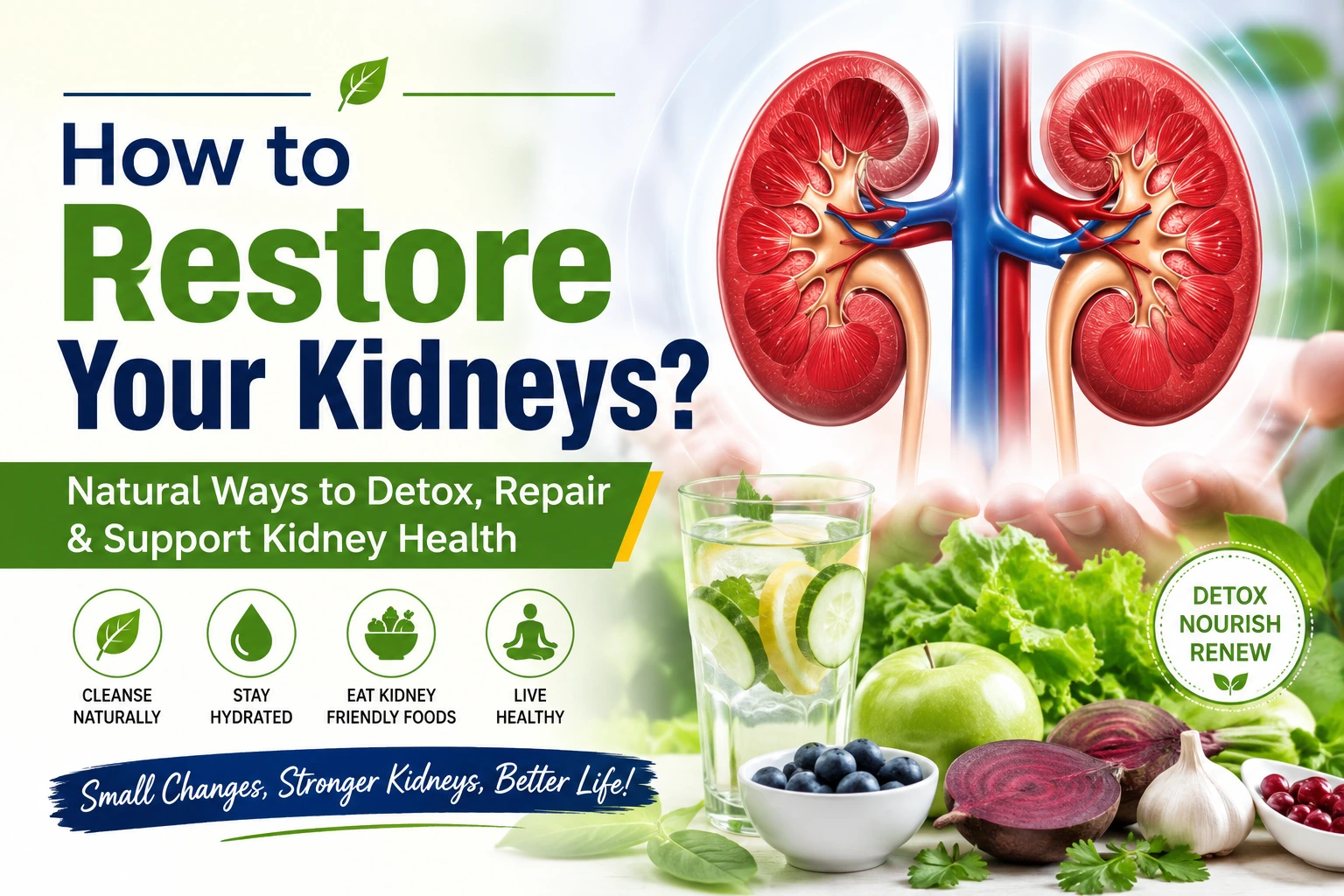

If you are looking for a direct answer on how to get them back on track, here is the unvarnished truth: while you cannot magically regenerate severely scarred kidney tissue, you can significantly boost, support, and optimize the function of the healthy tissue you have left.
So, can damaged kidneys heal naturally? The answer is a nuanced "it depends." If the damage is acute, meaning a sudden blow from dehydration, a nasty infection, or a medication reaction, your kidneys can often pull off a spectacular comeback. However, if the damage is chronic, built up over years of high blood pressure or blood sugar, it becomes less about an overnight miracle and more about masterful damage control. Let’s dive into how you can give your inner filtration system the ultimate spa day it deserves.
The Quick Kidney Cheat Sheet
-
Reality Check: Severe structural damage cannot be fully reversed, but you can absolutely optimize and protect your remaining healthy kidney tissue.
-
Kitchen Overhaul: Swap heavy salt and processed junk for kidney-friendly champions like blueberries, garlic, and red bell peppers.
-
Smart Hydration: Don't drown your organs. Drink to satisfy normal thirst; aim for a pale-yellow lemonade color, not clear water.
-
Drop the Ibuprofen: Over-the-counter NSAID painkillers can strangle renal blood flow, so use them with extreme caution.
-
Play the Long Game: Improving filtration takes months of consistent lifestyle changes, not a weekend detox.
The Big Question: Can Your Kidneys Actually Bounce Back?
When things go sideways on a lab report, the first thought that flashes through anyone's mind is: Can kidneys repair themselves? It is easy to freak out when you see words like "decreased filtration" or "elevated creatinine." But your body is remarkably resilient. Think of your kidneys like an overworked sponge. If you keep using a sponge to wipe up grease without ever rinsing it, it stops working. Rinse it out, give it a break, and it's back in the game.
If you want to know how to restore kidney function, the secret lies in reducing their workload. You want to stop throwing metabolic curveballs at them so they can focus on maintenance. When you lighten the load, the remaining healthy parts of your kidneys can actually adapt and work more efficiently, which mimics the process of healing.
What Foods Help Restore Kidney Health? (And What to Skip)
Let’s wander into the kitchen, because that is where the real magic happens. If you have spent hours online typing What foods help restore kidney health? into search bars, you might have encountered some downright bizarre advice. No, you do not need to live on a diet of rare dandelion roots or drink pure celery juice until you turn green.
The best foods to restore kidney function are actually just delicious, everyday staples that do not force your kidneys to work overtime. We are talking about:
-
Blueberries and Cranberries: Packed with antioxidants and low in potassium and phosphorus, making them the ultimate kidney treats.
-
Garlic and Onions: Fantastic for adding massive flavor without relying on the salt shaker, which is enemy number one for your blood pressure.
-
Red Bell Peppers: Low in potassium but loaded with vitamins A, C, and B6.
-
Fatty Fish: Excellent sources of omega-3 fatty acids, which help tamp down systemic inflammation.
To back this up with actual data, look at the Atherosclerosis Risk in Communities Study, published in 2016 by Dr. Casey M. Rebholz and a team of researchers. This massive study, which tracked thousands of participants from 1987 all the way through 2013, found that individuals who adhered closely to a plant-forward, whole-food diet had a significantly lower risk of developing kidney disease.
When you shift your plate toward these choices, you are essentially providing excellent, natural kidney support without stressing your system with heavy loads of animal protein and processed sodium.
The Magic of Hydration: Finding the Sweet Spot
There is a common myth floating around the internet that drinking enough water to fill a small swimming pool every day will flush out your kidneys and make them brand new. Let's bust that myth right now. While hydration is vital, over-hydrating can actually stress your system out.
If your goal is to improve kidney filtration naturally, you want to aim for consistent, moderate hydration. You want your urine to be a light, pale yellow, like lemonade, not apple juice, and definitely not clear like water all day long.
A fascinating randomized clinical trial known as The CKD WIT Trial, published in 2018 by Dr. William F. Clark and colleagues, looked closely at this issue. Conducted between 2013 and 2017, the researchers wanted to see if coaching patients to significantly increase their daily water intake would slow down the decline of kidney function. Interestingly, the study showed that forcing massive amounts of extra water didn't offer a magical protective benefit over just drinking normal, healthy amounts to satisfy thirst.
The takeaway? Listen to your body. Drink when you are thirsty, choose water over sugary sodas, and let your body improve kidney function naturally without drowning your organs.
Lifestyle Shifts: Giving Your Filters a Break
If you want to map out a strategy for how to restore your kidneys naturally, you have to look beyond the dinner plate and check out your lifestyle habits. Two massive titans rule over kidney health: blood pressure and blood sugar. If either of these is running wild, your kidneys are taking a beating.
Here is a quick checklist of things you can change today to encourage restore kidneys naturally:
-
Ditch the NSAIDs: Over-the-counter painkillers like ibuprofen and naproxen are notorious for constricting blood flow to the kidneys. If you pop them like candy for every minor ache, your kidneys are crying out for help.
-
Move Your Body: Regular walking, swimming, or cycling keeps your blood vessels flexible and your blood pressure under control.
-
Watch the Salt: Excess sodium pulls water into your bloodstream, raising your blood pressure and forcing your kidney filters to work under high-pressure conditions.
A highly relevant study published in 2014 by Dr. Hei-An Park and a dedicated research team, utilizing data from the Korean National Health and Nutrition Examination Survey conducted from 2011 to 2012, highlighted how strongly lifestyle habits correlate with kidney health. The research demonstrated that individuals who maintained low-sodium diets and participated in regular physical activity showed significantly better markers for long-term kidney health improvement compared to those with sedentary lifestyles and high-salt intakes.
📩 Ask a Kidney Expert (Free 10-Min Consultation)
How Long Does it Take to Improve Kidney Function?
We live in a world of instant gratification. We want our packages delivered in two hours, and we want our health fixed by tomorrow morning. But your kidneys are slow, methodical organs.
So, how long does it take to improve kidney function? Generally, if you are recovering from an acute issue, you might see improvements in your blood work within a few weeks. If you are working to optimize chronic conditions, it can take several months of consistent dietary and lifestyle changes to see your glomerular filtration rate (GFR) stabilize or tick upward. Patience is key here. Your kidneys didn’t get stressed out overnight, and they won't settle down overnight either.
Your Quick-Glance Kidney Action Plan
To keep everything crystal clear, here is a handy breakdown of how to support your kidneys without losing your mind.
|
The Strategy |
The "Why" Behind It |
Expected Benefit |
|---|---|---|
|
Lower Sodium Intake |
Reduces pressure on the delicate filtering units (nephrons). |
Helps stabilize blood pressure and reduces fluid retention. |
|
Emphasize Plant Foods |
Produces fewer acid byproducts for the kidneys to clear out. |
Eases the metabolic workload on your filtering system. |
|
Smart Hydration |
Keeps blood flowing smoothly through your kidneys without drowning them. |
Helps the kidneys filter out waste efficiently without extra stress. |
|
Limit Painkillers |
Avoids medication-induced constriction of renal blood vessels. |
Protects your kidneys from acute, unnecessary chemical injury. |
Moving Forward with Confidence
At the end of the day, taking care of your kidneys doesn't mean upending your entire life or adopting an impossible routine. It is all about consistency, moderation, and giving these hard-working organs the respect they deserve. Talk to your doctor, get your regular blood work done, and focus on the small, daily habits that add up to massive health victories. Your two bean-shaped roommates will definitely thank you for it!
FAQ
-
Can you improve kidney function naturally?
Yes, you can significantly optimize remaining kidney function by maintaining a low-sodium diet, staying active, and keeping your blood pressure in check.
-
Can damaged kidneys fully heal themselves?
Acute kidney injuries can often heal completely, but chronic damage is irreversible and requires careful management to prevent further decline.
-
What is the fastest way to flush your kidneys?
There is no overnight miracle flush, as consistency is key; simply drink moderate amounts of water daily to help your kidneys filter waste efficiently.
-
What foods should you avoid for better kidney health?
You should steer clear of ultra-processed foods, excessive table salt, and dark sodas that are heavily loaded with artificial phosphorus.
-
How long does it take to see improvements in kidney health?
While sudden injuries can show improvement within weeks, boosting chronic kidney health typically requires several months of steady lifestyle changes.